Essential Oils to Support Hormone Balance

The systems in the body are largely directed by our hormones which all interact with each other. One hormone out of balance will be disruptive to the whole system. It’s beyond the scope of this article to describe each one, but hormones are responsible for virtually all of the functioning of the body as well as regulating hunger, mood, alertness levels and more.

When considering how to support hormone heath with essential oils, it requires a little detective work. We want our hormones to be in balance, but that’s not enough. What symptom or problem do you want to solve? Once that is identified, then you can use essential oils in a targeted and intentional way to support your whole system.

Before we get to all the fun oils, let’s review the basics because no matter what oils you use, they will work at their best when you are participating to do your best for your health too. Remember that symptoms come to the surface when we are out of balance in some way and restoring full balance most often requires an alignment of body, mind, and spirit. While physical discomfort and manifestations may point to a hormone imbalance, our mental and spiritual wellness effects out hormone heath too.

Consider the quality of your:

  • Sleep – Regular, restorative sleep is the foundation of wellness and vitality. Next week’s essential oils spotlight will focus on sleep. For now, pay attention to your sleep habits and read more about sleep in a past post, Reclaiming Sleep
  • Hydration – It’s super important to be well-hydrated. Water is a conductor and our hormones can’t send messages throughout the body efficiently if we are dehydrated.
  • Movement – Move as much as you can ALL DAY LONG. More  frequent smaller movements throughout the day is better than sitting ll day and then doing a “workout”. This includes several short walks throughout the day potentially having a greater result than one longer walk. Read Exercise less – MOVE MORE! to learn more about the importance of movement.
  • Diet – Eating a diet rich in whole foods with vegetables, proteins, and healthy fats will go a lot way to supporting optimal hormone balance. This is especially important if you are experiencing bloating and digestive discomfort. Consider participating in my upcoming Spring Cleanse. Details available in next week’s email.
  • Relationships – Our hormones interact with our emotions in a variety of ways and can trigger physical symptoms. Look for patterns and notice how you feel in your body in context of your relationships and interactions with others during the week.

Top oils to support women’s hormone heath:

ClaryCalm – this is a lovely blend that includes Clary Sage, Lavender, Bergamot, Roman Chamomile, Ylang Ylang, Cedarwood, Geranium, Fennel, Carrot Seed, Palmarosa, and Vitex. It comes as a rollerball. You can apply it to perfume points or even directly onto the abdomen when experiencing discomfort during the monthly cycle.

Clary Sage is one of the sacred essential oils especially pertaining to women. It helps connect to our female intuition and promotes a sense of calmness and clarity.

Balance Grounding Blend is my favorite and I use it every day. This oil supports stability as we go experiences transitions in our days, weeks, months, and over the course of our lives.

For Hot Flashes and Night Sweats

Peppermint Oil is the classic cooling oil and can be used during the day. While, I suggest caution using at night as it can also be stimulating, I have heard reports of peppermint oil improving night sweats and overheated feet during the night.

Other cooling essential oils are found in aromatic florals, the most intense “intoxicating flowers.” These can be applied to temples, back of the neck, wrists, bottom of feet, diffused into a room, or added to a bath.

Neroli When I lived in Southern California during high school, spring was a memorable time of year when the whole landscape was saturated with the intoxicating aromas of the orange blossoms. Essential oil of neroli is extracted from the flowers of the bitter orange trees, also known as Seville oranges and native to Southeast Asia. Neroli helps to clear the heat and relaxes the nerves. It’s also a very uplifting aroma.

Helicrysum This precious oil from the aromatic shrub and is also known as Everlasting or Immortelle. Besides being cooling, it is anti-inflammatory and helps to clear energy blockages in the body, physical and emotional. It is commonly used for bruising and related pain.

Geranium – While we may be familiar with the hearty flowers of the perennial shrub geranium, the essential oil is actually extracted from the flowers and the leaves. Like the other flowers, it is cooling and relaxing. It is good for the skin and has anti-fungal properties and encourages healthy circulation.

Ylang Ylang – Ylang ylang are big, beautiful tropical flowers grown in Southeast Asia and Madagascar. One day I hope to experience this aroma in all of its glory. Also cooling, this is a very special oil that encourages playfulness, positive emotional connection, and generally considered supportive of releasing tension and stress and is nurturing to the heart. Watch this video of the Ylang Ylang harvest in Madagascar

Mood Swings:

For information about mood swings, anxiety, and depression, please refer to Essential Oils for Emotional Wellness.

For Insomnia:

Look out for next week’s post on Essential Oils to support restorative sleep. In the meantime, if lavender doesn’t quite cut it for you, then I suggest trying cedarwood, clary sage, or bergamot. These can be diffused in the room or rubbed on the feet at bedtime.

The best way to support hormone balance it really about doing an inventory of your life and making continual adjustments over time. Hormones don’t get out of balance overnight and are unlikely to be corrected over night. Look for signs of progress however small along the way.

Click here to learn more about my favorite oils.

If you are interested in learning more about essential oils and which ones would be the best for you or someone in your family, email me at sheila@restorativelife.com and we will set up a brief wellness consultation.


Essential Oils for Depression, Anxiety, & Mood Regulation

What we are really talking about here is emotional wellness. That’s what we all want, right? And we want those around us to have emotional wellness too since emotions are contagious. We feel better when those around us feel better and vice-versa. It can be a vicious cycle. Some how we end up in a bad mood and then are annoyed at the bad mood and eventually it’s a downward spiral.

Essential oils are a great tool for move through challenging emotions with ease and bring more joy and positivity into our lives. In fact, emotional wellness is one place that they really gets to show their muscles. Aromatherapy received a surge of popularity in the 1990s as the therapeutic benefits of aromas became broadly recognized.

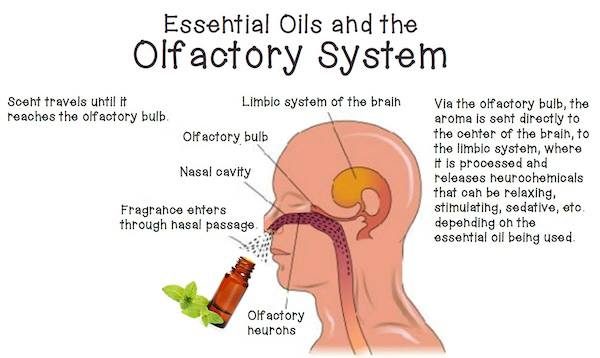
From an evolutionary point of view, the olfactory sense is the oldest of the senses and is connected to the limbic part of the brain referring to emotions, behaviors, and memories. It also houses the amygdala, which is responsible for the fight, flight, or freeze response. Smell is directly connected to the brain, while all of the other senses are routed through the circuitry of the central nervous system. Because the sense of smell is connected to emotions and memories, a simple smell has the power to trigger a cascade of emotions and vivid memories. It also has the power to support emotional wellness and stability in powerful ways that other interventions are unable to accomplish.

Essential oils interact in the body at a cellular level. Benefits can be noticed in as soon as 30 seconds after inhaling the aroma. As aroma comes into the body, the molecules are dispersed throughout within twenty minutes. They are metabolized just as and food, beverage, or medicine, and another “dose” will be required within 4-6 hours to sustain the desired effect.

Since our emotions are so rich with complexities, essential oil blends seem to be best suited for the job. Like the idea of “two or more gathered…”, the same is true for the oils and some combinations are known to have special synergistic properties that aren’t possible with the single oils, the sum is greater than the parts.

The word emotion stems from “energy in motion” and the oils support moving the energy through our bodies rather than repressing them which will eventually lead to blocked energy and some manifestation in the body. While we may resist dealing with uncomfortable emotions because, well, they are uncomfortable, the role of the essential oils as I have experienced them is to buoy this process. And while it may get worse before it gets better, essential oils tether the experience in safety and stability and light. You aren’t going down, but through and up.

It’s important that the essential oils are of therapeutic medical grade. Synthetic aromas not only do not provide benefits but have been shown to disrupt hormone balance.

The following are the blends that I have found most useful for myself and my family. Click on each on to learn more about the unique combination of essential oils that each contains.

Anxiety is usually related to worry about the future and things that haven’t happened yet. The imagination can really take over here and this can easily spiral out of control when it isn’t recognized and managed. The aromas of trees and support grounding the emotions back to stability while florals are calming and reassuring.

  • Balance Grounding Blend is my favorite and I use it every day.
  • Serenity Restful Blend is great to help calm down thoughts and emotions and get some restorative sleep.
  • Peace Reassuring Blend powerfully supports moving through intense emotions and arriving at a space of peace and clam.
  • Console Comforting Blend – This blend will always be special to me because it supported me through some of the darkest of times. I don’t prefer to categorize the oils like this, but it can be a helpful starting point. This blend is the top pick for grief, depression, and working through deep, low emotional states.

Depression is related to being stuck in the past and unable to move forward. It feels heavy and desperate, like there’s no way out. Citrus aromas are uplifting and support moving through the muck and out of the swamp. Spices are renewing and help to spark that passion and curiosity back to life.

  • Cheer Joyful Blend– This is a great citrus and spice blend and reminds me of the holidays. All of the blends come in diluted roller ball blends that are perfect for applying to pressure points (which are often the same a perfume points) throughout the day.
  • Citrus Bliss Invigorating BlendThis is the best example of how uplifting citrus scents can be. I can’t imagine how it’s possible to inhale these aromas and not smile and feel some level of contentment.
  • Passion Inspiring BlendThis blend is heavy on the spice to spark the “spice of life”. Enhances creativity and inspiration.

Moods regulation by nature varies from time to time and that can make it a moving target seeking stability as provided by the ancient, sacred oils like frankincense, myrrh, patchouli, and sandalwood.

  • Forgive Renewing BlendThis blend is all about grace and compassion and moving forward. Yes, we can acknowledge that we have been wronged or have wronged another, and then we move on. Tucking things away and not dealing with them put us on track to be unwell at some point in the future.

Best General Blends for Emotional Wellness

  • Motivate Encouraging BlendTogether with Balance, this is one of my favorites. This beautiful blend of peppermint and citrus with the serious infusion of Melissa creates a truly powerful blend. When I need to put my head down and get productive this blend helps me get motivated to get in there and get it done.
  • Elevation Joyful BlendI call this blend “happy calm” and when my kids were younger I would put diffuse it in the house when they came home from school and in the evening. One of my favorite things about using essential oils for emotional wellness is that it’s a tool and you get some control – and I love to be in control!
  • OnGuard Protective BlendWhile we tend to associate OnGuard with physical immunity, it can also be quite protective in context of mental, spiritual, and spiritual wellness too. It’s a special blend of citrus, spice, trees, and herbs to uplift, inspire, ground, and comfort us.

Interested in starting a collection, the Emotional Aromatherapy Kit is a great place to start. The Spa Kit is another great option.

Click here to learn more about my favorite oils.

If you are interested in learning more about essential oils and which ones would be the best for you, email me at sheila@restorativelife.com and we will set up a brief wellness consultation.


Tips to ease the Spring time change

“When sleep is abundant, minds flourish. When it is deficient, they don’t.” –Matthew Walker, Why We Sleep

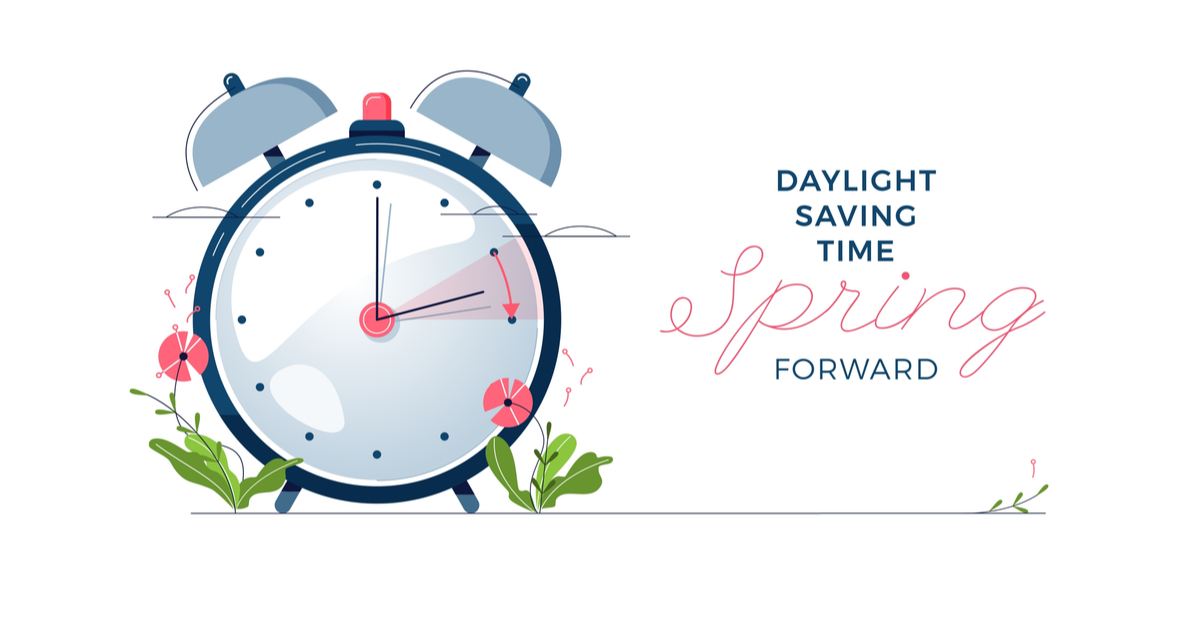
Daylight Savings is a false economy. It doesn’t really save anything. It’s actually a wonder that moving the clocks twice a year is still in practice given the amount of research that’s been done and its detriment to health, especially mental and emotional wellness. Spring is worse when it’s essentially imposing a sleep deficit. “March madness” rings true for many and those struggling with mental illness tend to have heightened symptoms around this time. Emergency rooms statistics also show an increase in activity around the time that the clock “spring forward” specifically related to heart attacks and car accidents. It has been shown that “sleepy” driving is more dangerous than driving under the influence of drinking or drugs. Because we lose one hour of the 24 hour day when we “spring forward”, the spring time change is really about loss of sleep.

Every year we voluntarily endure a collective jetlag. It’s rarely acknowledged and we are expected to carry on in our usual routine. However, there’s nothing usual about eating breakfast everyday at 7, then suddenly switching it to 6 am; it would be disruptive. And that’s essentially what we are doing. Even for those who are lucky enough to avoid the time change locally, everyone is still affected in some way as schedules everywhere else are shifting with the newly identified hour. I wonder if it would be better overall if it happened Saturday morning (Friday night) instead of Sunday morning (Saturday night), then we would all have an extra weekend day to adjust. It’s bad enough that electric lights and screens already induce us to be out of sync with natural cycles of light and dark, sleep researcher Matthew Walker has found that “inadequate sleep—even moderate reductions for just one week—disrupts blood sugar levels so profoundly that you would be classified as pre-diabetic.” In addition to blood sugar levels, lack of sleep is associated with immunity, memory, energy and endurance levels, hormone balance, physical coordination, and more. No wonder we don’t feel quite right in the days and sometimes weeks immediately following the time change.

The best option of course would be not to mess with the time at all. Until that happens, we can inform ourselves of best practices that have been found to manage our way through the challenging days with as little disruption as possible.

This year in 2021, Daylight Savings goes into effect starting March 14 in the U.S. and Canada, and March 28 in the UK and EU. Pay attention to your energy levels and routines at this time to have a smoother adjustment.

  • If possible, don’t schedule too much in the mornings. Gently altar your waking time by 5-10 minutes each day. Start before the time change happens if you can.
  • Stand near a window or outside in the daylight as soon as you wake up. Get sunlight in your eyes if possible. This helps with hormone regulation of the cortisol and melatonin schedule. I’ll explore that more in a coming post specific to circadian rhythms.
  • You may not be hungry at regular mealtimes. Don’t eat if you’re not hungry. I’m going to repeat this one, don’t eat if you’re not hungry. Anything consumed to avoid hunger later will not be digested properly. It will cause gut discomfort and/or be stored as fat. Wait and enjoy the next mealtime with a hearty appetite. Occasional Intermittent Fasting, especially for the evening meal may help improve sleep and encourage waking earlier.
  • Spend as much time as possible outdoors and do lots of movement and physical activity. Physical fatigue is helpful towards restorative sleep.
  • Be disciplined about turning off electronics earlier than usual to shift the bedtime hour. Dim the lights in the evening or even light candles to trigger melatonin release to prepare for sleep.
  • Avoid sugar and caffeine for regulating energy. While it may work in the short term, it’s actually damaging and encourages fluctuations in energy levels. Keep hydrated to maintain your energy throughout the day.
  • Eat plenty of protein and healthy fats. Mental wellness in particular depends on getting sufficient healthy fats in the diet which include olive oil, coconut oil, grass fed butter, ghee, avocado, fatty fish, and seeds.
  • Allow for a short nap if necessary. You will restore your energy and contrary to popular belief, it won’t interfere with your nighttime slumber as long as the nap is less than 90 minutes.

Essentials of Essential Oils

I’ve been using essential oils for a few years now and they’ve become an important part of my wellness routine in so many ways from mood and energy to skin and infections to sleep, joint & muscle recovery, and respiratory support, and so much more.

The most important things to know about essential oils are that:

1 – Essential oils are natural. They come from all parts of the plants: roots, resin, stem, leaf, bark, bud, flower, peel, and seed. It is distilled into into an oil which is the essence of the plant. The unique properties of of each oil interact with the body, mind, and spirit at a cellular level.

2 – Essential oils are safe. Pure, medicinal grade essential oils are safe and do not have negative side effects. If an oil isn’t working the way you want it to, it may simply mean that it’s not the best oil to use in that specific case. Be aware of diluted and synthetic oils. You will not receive the same results with inferior products.

3 – Essential oils can save you time and money. By having basic essential oils stocked in your home and ready to use, you can often save yourself a trip to the pharmacy or drug store. Many people have found that they feel better faster with essential oils.

Essential oils may be used aromatically, topically, or ingested internally. It really depends on the purpose. To enhance mood, you would want to use it aromatically. To get relief from sunburn or insect bite, then it would only make sense to use it topically. A drop of frankincense under the tongue for cellular renewal is an example of internal use.

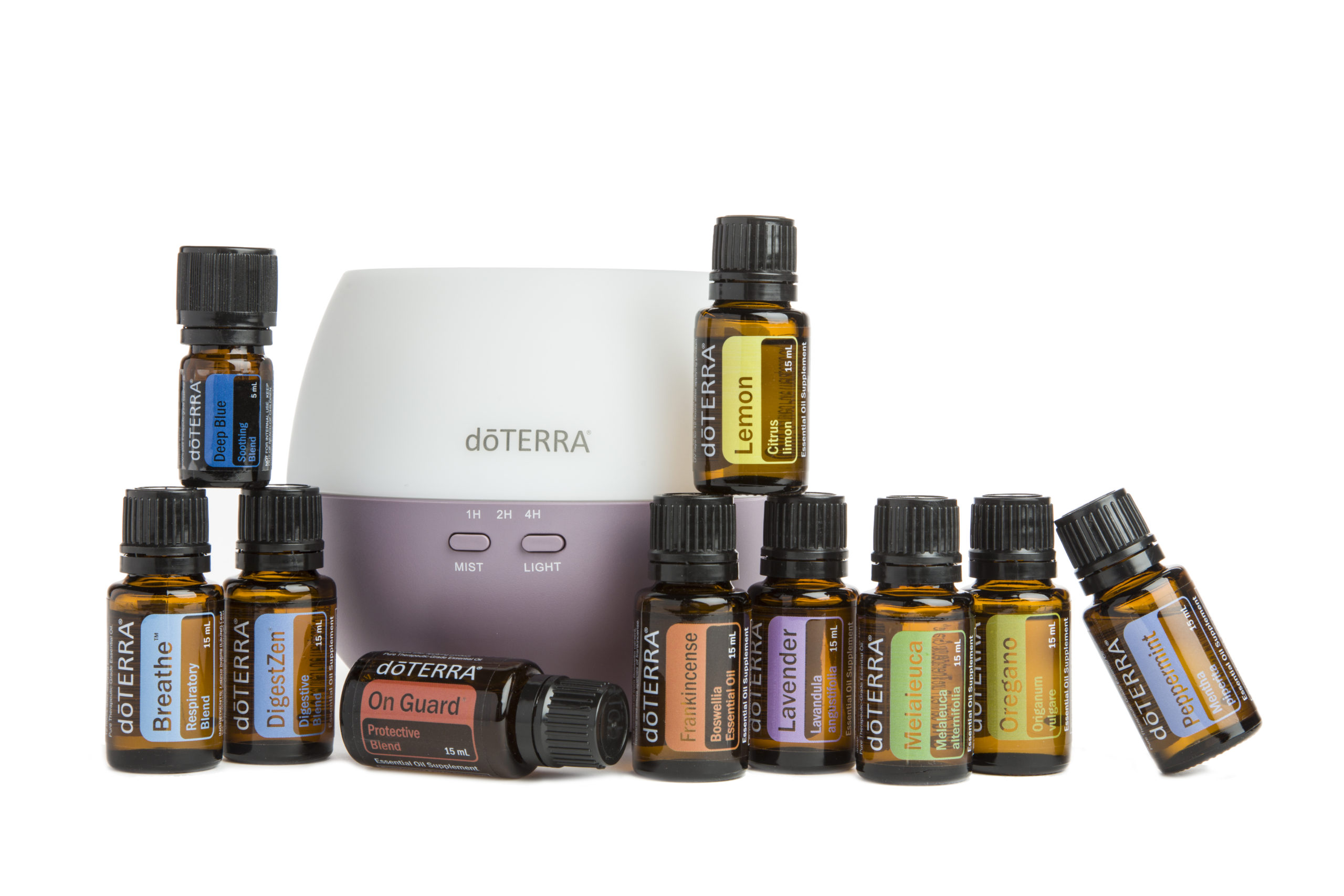
A great way to get started is with these 10 basic essential oils to support wellness and daily restoration of body, mind and spirit. Click on each link for more information and a little video about each oil.

  1. Tea Tree Oil/Melaleuca This oil is first because if I could only take one oil with me on a trip, this would be it. It’s anti-viral, anti-inflammatory, antiseptic, anti-parasitic regenerative, and more. I don’t like to lose a second of any adventure having to go to the pharmacy for something small. Tea tree is great to prevent infections on small abrasions, offers relief from sunburn, and can even “nip in the bud” that little tickle in the throat that you don’t want to grow into a full blown virus.
  2. Lavender Oil – Lavender is usually the first oil someone thinks of in reference to essential oils and with good reason. Lavender is well known to promote feeling of calm and anxiety to support peaceful sleep. It is also an anti-histamine, anti-microbial, and anti-inflammatory properties and can be used for bug bites and sunburns.
  3. Peppermint Oil – the invigorating properties provide a welcome boost of energy, alertness, and clarity. Peppermint oil is also known to support relief from headaches, and is also frequently as as repellent for both insects and rodents.
  4. Lemon Oil – promotes a fresh, positive mood, and is often used for cleaning and purifying both air and surfaces.
  5. Oregano Oil – a powerful oil with anti-bacterial, anti-viral, and anti-fungal properties, strongly supports immunity. It is known to be an enhancer and equilizer. Take care to dilute the oil and only very little is needed; it’s very potent and is a “hot” oil.
  6. On Guard Protective Blend On Guard supports healthy immune response and has the potential to enhance circulation and the body’s natural antioxidant responses. It can be energizing an uplifting. Contains Wild Orange, Clove, Cinnamon, Eucalyptus, and Rosemary
  7. Breathe (Air in EU/UK)Respiratory Blend Promotes maintenance of airways and comfortable respiration. Contains Laurel, Eucalyptus, Peppermint, Tea Tree, Lemon, Cardamom.
  8. DigestZen (ZenGest in EU/UK)Digestion Blend – helps to soothe upset stomach and promotes healthy digestion. Many have reported relief from bloating, gas, and indigestion when using this blend. Contains Ginger, Peppermint, Caraway, Coriander, Anise, Tarragon, and Fennel.
  9. Deep Blue – Soothing BlendI like to exercise because I like the results, but I don’t like the soreness after. This beauty of a blend soothes muscles and joints and has the potential to decrease recovery time. Use together with Deep Blue rub for even more relief. Contains Wintergreen, Camphor, Peppermint, Ylang Ylang, Helichrysum (Everlasting), Blue Tansy, Blue Chamomile, and Osmanthus.
  10. Frankincense – I saved the best for last. Frankincense is known as the “King of Oils” and has a history of such value and reverence such that that it came along side gold as a gift to the newborn baby Jesus in the Christian Christmas story. Frankincense will add “super power” to any oil that you. It has so much complexity and potential that if you are ever unsure what oil to use, Frankincense will almost always offer some improvement that you are looking for. If I could only have ONE oil ever, Frankincense would be a very strong contender.

The best value for all of these oils is in the Home Essentials Kit.

Click here to learn more about my favorite oils.

If you are interested in learning more about essential oils and which ones would be the best for you, email me at sheila@restorativelife.com and we will set up a brief wellness consultation.
RECIPE: Red velvet maca hot chocolate

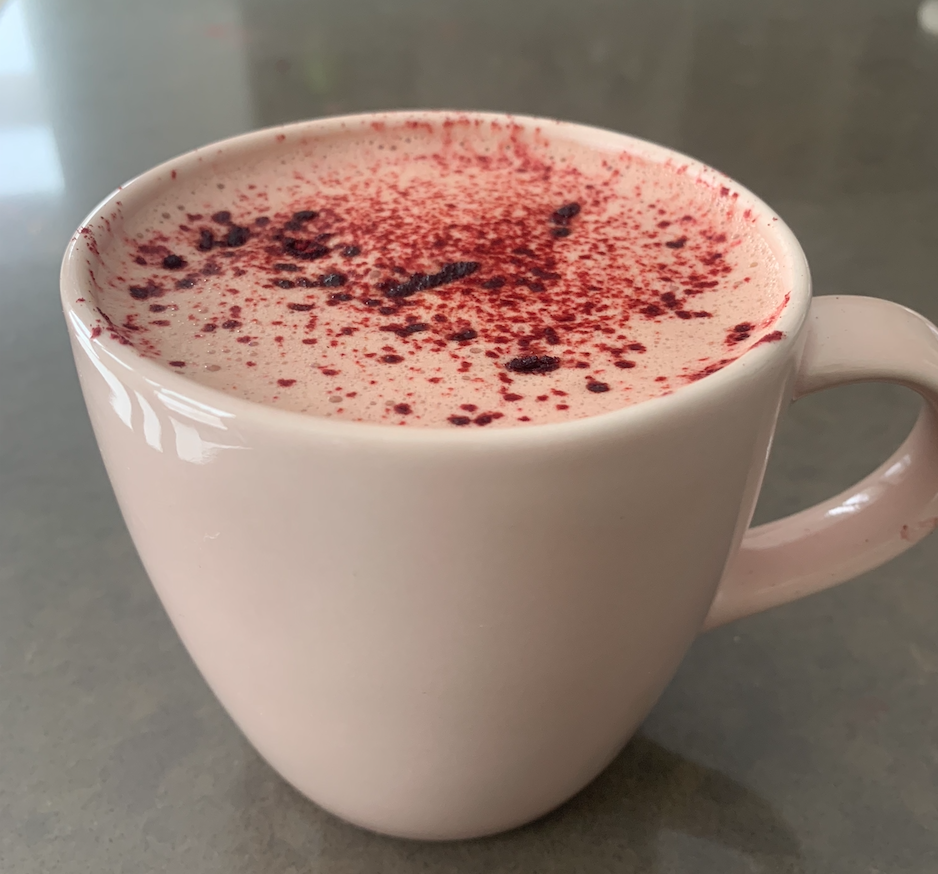
Valentine’s Day is just around the corner.  This this tasty beverage will warm you up in the best way (wink, wink) and it’s full of superfoods too. This power beverage is full of ingredients that support circulation, reduce inflammation, increase energy, and even detox. Yes, you can even include this as a part of a detox as an occasional treat. You’re basically turning your morning smoothie into a cup of steaming hot chocolate.

I was first introduced a simple version of this gem at a detox retreat in Malta last March. I’ve been tweaking and I think this version works really well. Feel free to adjust to taste. Add an extra date to make it sweeter or omit the cinnamon if you prefer. Plenty of options to customize it to your own preferences.

You may see some new ingredients in this recipe. Most are available at your local health food store and easily delivered with an online order.

Beetroot Powder is high in potassium. The nitric oxide content helps protect from cellular damage, increase circulation, lower blood pressure, and supports healthy liver function.

Maca is a root native to Peru. It is traditionally used to enhance fertility and libido (yes – making it even more perfect for V-day). There is a lot of exciting research happening to learn more about this wondrous root. The latest studies are reporting  that maca root supports hormone balance, contributes to uplifting mood, helps combat fatigue, and may enhance memory and learning.

Raw Cacao Powder is a great source of minerals like potassium, magnesium and iron and has plenty of fiber to support healthy digestion. It is anti-inflammatory and promotes healthy circulation.

Cayenne Pepper is spicy and warming to the body. It can both reduce hunger and increase metabolism. Sign me up for that! The active ingredient, capsaicin, even has pain relieving properties. Cayenne pepper is easy to add the the diet in small doses and promotes healthy cellular function.

Collagen is an important protein found in our bodies. It is responsible for many structures in the body like bones, teeth, tendons, even cartilage, parts of the arteries and layers of the skin. Excess consumption of sugar and processed foods damages collagen as does smoking and getting a sunburn. We produce less collagen as we get older so it’s helpful to be sure that it’s included as part of the diet.

Cinnamon is a warming spice and has been shown to support regulation of blood sugar levels. Cinnamon is its own little power house. It’s anti-viral, anti-bacterial, anti-inflammatory and it supports healthy digestion.

MCT Oil is made from the Medium Chain Fatty Acids extracted mainly from coconut oil and is a great source of energy. Lots of people add MCT Oil to black coffee in the morning as part of an Intermittent Fasting plan. In some studies have shown MCT Oil to have anti-microbial and anti-fungal properties so it may help rid the body of accumulated yeasts and bacterias. It can help maintain optimal blood sugar levels and it is being studied to support weight loss as a part of a ketogenic diet. The ketogenic diet has been known for over a century to reduce inflammation in the brain specifically in relation to epilepsy. These days, it’s also an option to help manage Autism and Alzheimer’s Disease.

Have I convinced you yet that this is worth trying? All that goodness and it tastes great too!

Red Velvet Maca Hot Chocolate

Ingredients:
3/4 cup coconut milk*
1/2 cup water*
(*OR 1 1/4 cups Almond Milk)
1 Medjool date
1 tsp almond butter (optional)
1-2 tsp raw cacao powder
1 tsp beetroot powder
1 tsp maca powder
1/4 tsp cinnamon
pinch of cayenne pepper (optional)
1 T vanilla collagen powder (omit for vegetarian)
1/2-1 tsp MCT oil (optional or coconut oil)
dash pure vanilla extract
pinch of salt

Directions:

1. Put all of the ingredients in blender and blend well.

2. Pour the mixture into saucepan and heat while whisking frequently.

5. Pour into mug. Sprinkle with beetroot powder, cacoa, powder, or cinnamon. Enjoy!


Sneak Peek – Sample Detox Recipes

What do you eat when you’re detoxing?

I remember when I did my first detox. I was nervous about one thing: was I going to be hungry?

Food is such an important part of our daily lives, it’s silly to participate in a detox that leaves you feeing hungry and unsatisfied. That’s one of the ways the 5-Day Detox is different – We’re going to eat REAL FOOD!

In fact, I’m so sure that you will love what you’ll eat on the detox that I’m sharing two of my favorite detox recipes with you in this post:

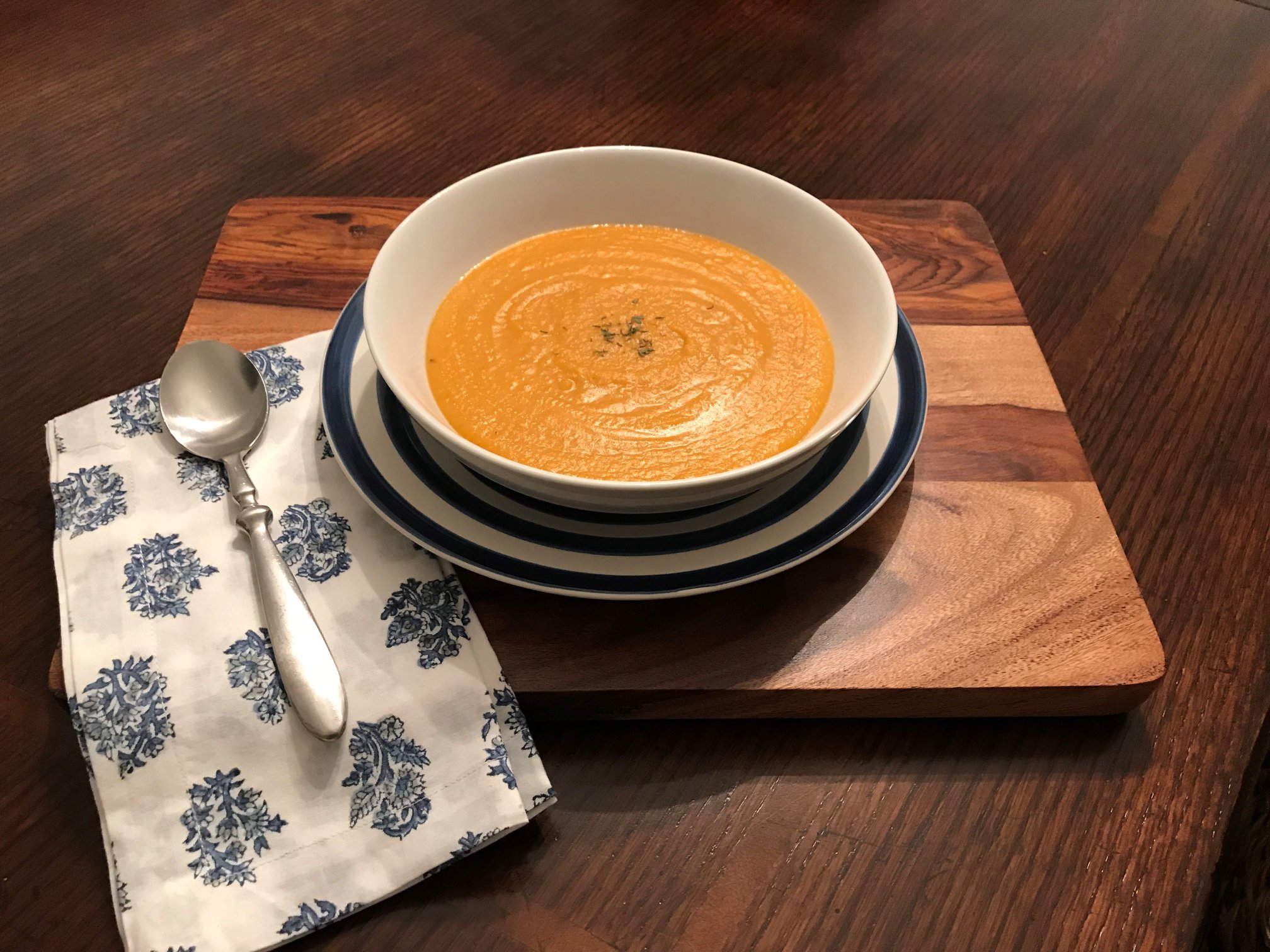
Coconut Yam Soup (Makes enough for 3 lunches)

This soup is so delicious, nourishing, and most importantly, filling. It’s a treat every time I make and I can’t believe it’s detoxing and healing too!

Ingredients:

  • 2 large or 3 small garnet yams, peeled and cut into chunks
  • 1 small yellow onion, diced
  • 5 garlic cloves, minced
  • 1 TB extra virgin olive oil
  • 2 C vegetable or chicken broth
  • 1 (14-oz) can full-fat coconut milk
  • 1 TB wheat-free tamari or coconut aminos
  • 1 tsp grated fresh ginger
  • 1 tsp dried thyme
  • Sea salt and pepper to taste

Directions:

  1. Preheat oven to 375 degrees. Place yams or sweet potatoes on a baking sheet and bake until soft, about 40 minutes. Remove from oven and allow to cool.
  2. Meanwhile, heat a skillet over medium high heat and sauté garlic and onions in olive oil until the onions are soft and translucent.
  3. Place all ingredients in a large blender and turn on low. Gradually blend until smooth, adding water by the TB if you need more liquid.
  4. To reheat, place in pot and warm slowly over medium-low heat, stirring until warmed through.

Note: It’s very important to place a towel between the blender and the lid if the sweet potatoes are still hot to prevent the lid blowing off when blending. Heat expands in blenders and can create so much pressure that the lid can come off and spray hot soup all over you and your kitchen.

Seed Porridge with Chopped Pear
This is a great simple recipe to kick off your day. The seeds provide protein and are packed full of nutrients. The pear is easy to digest and the coconut milk rounds it off with a satisfying creaminess.

Serves 1

Ingredients:

  • 2 TB unsweetened coconut flakes
  • 1 TB raw pumpkin seeds
  • 1 TB flax seeds
  • 2 tsp chia seeds
  • ½ pear, seeded and chopped
  • 2-4 TB refrigerated or canned full-fat coconut milk

Directions:

  1. Grind the first 4 ingredients in a clean coffee grinder and cover with 4-6 oz hot water.
  2. Let seed mixture sit for a few minutes to thicken, then add chopped pear and coconut milk. You can add a little honey to sweeten if needed.

I want to make sure you feel comfortable knowing that we’ll be eating healthy, nourishing foods that will leave you satisfied and your taste buds happy. That’s why I’ve shared these recipes with you. Try them out and if you like them, be sure to join us for the 5-Day Winter Detox that kicks off on February 8. Join us here and be sure to use the code EARLYBRD20 to save £20 when you register by February 4.

5-Day WINTER DETOX

I’m getting excited! I hope to see you there! If you have any questions, feel free to email me at sheila@restorativelife.com

Cheers,

Sheila

Want to Detox With Me?

Hi there friends!

This week’s post is focused on my upcoming 5-Day Winter Detox. This year I’m changing it up and instead of a longer program, we’re going to put the pedal to the metal and knock it out in 5 days! There will be a 5-Day session in each season to maintain momentum and continuity in our health. Just like a car needs a regular tune-up and our windows need washing a few times a year, our bodies need important maintenance attention too.

A lot of people may be wondering whether the new 5-Day Detox is a good fit for them. I thought I’d share my answers to the most common questions in a quick email just in case you’ve been wondering about this, too.

How do I know I need to detox?

A few signs of needing a detox are fatigue, low mood, headaches, skin problems, and excess fat, especially in your belly. But the truth is that if you just aren’t feeling that great, a detox can help. We live in an increasingly hectic and toxic environment, and taking time for high-level self-care like a detox can make a huge difference in your energy, mood and even your body shape.

What will happen during the detox?

You’ll get a step-by-step guide of what you’ll need to do every day on this detox. We’ll focus on eating high-nutrient foods like fresh vegetables and fruits, lean proteins, and some whole grains. We’ll cut out processed foods, dairy, and sugar. The first few days you might feel a little off as your body gets used to the new things you’re eating, but by the end of the week you’ll likely feel amazing – scroll down to read what a few past clients have said about the experience:

How do I know it will work for me?

Literally dozens of people have participated in my reset or programs. I’ve had people tell me that they’ve dropped weight, slept better, had more energy, pooped better, felt less grumpy, and even had whiter teeth. I can’t guarantee that it will work, but it’s a safe bet that you’ll see positive improvements after 5 days. And, if you don’t, let me know, and I’ll refund your money.


Here’s what a few people had to say after working with me:

“The recipes were tasty and easy to follow. I know I should eat better and I don’t always have the discipline to do it on my own. The 5-Day Detox was a great jumpstart to get back into healthier food choices, and I’m amazed how good I feel after just 5 days!”
-Amruta, Business Analyst

“I was surprised at how easy it was to follow the plan. I like carbs, sugar, and wine, but once I made it past the first couple of days, my body responded and I found it easy (mostly!) to make healthy choices. Sheila’s support and the bite-sized chunks of information meant that I wasn’t overwhelmed up front. My stomach felt noticeably less bloated and I lost weight. I felt energetic and unlike other challenges, I wasn’t eager to go back to my old eating patterns because I felt better!”
-Sara, Graduate Student

“Sheila has a wealth of knowledge and experience. She is able to think outside of the box and will continue to research and find solutions until an issue is resolved. I look forward to the 5-Day Detox because I know it’s just what my body and my mind need.”
-Jeannette, Sound Engineer

“I was skeptical at first to try yet another diet…until I lost almost 5 kilo during Sheila’s 21-Day Challenge. I found Primal Health to be an inspired nutrition and lifestyle behavior program that’s easy to slot into your life without drastically changing your daily routine. I’m very grateful for how Sheila has transformed my way of thinking about food by suggesting recipes, menu ideas, and ways to navigate all my food allergies. The best part: I’ve kept the weight off.”
-Susana, Financial Advisor

“I really appreciated this detox.  I was not able to do it exactly as suggested, but it did give me new ideas for what to eat and how to exercise.  I liked having something new to try every day.  It kept my mind on my health.”
-Christina, Special Education Teacher

————————————————————

Sign up by midnight on February 4 to save £20, which means you’ll pay just £57 instead of the £77 retail price. Use the code EARLYBRD20

In case you missed it, when you sign up, you’ll get:

  • A complete suggested meal plan
  • Simple easy to follow recipes that are suitable for the whole family
  • A shopping list so you can hit print and head to the grocery store
  • A detailed daily protocol so you’ll know exactly what to do and when
  • Recommended supplements to take during the detox
  • Easy lifestyle hacks to enhance the detox experience
  • Pre-Detox Training Call
  • Support and daily feedback from our members-only online forum. We’ll definitely be there to tell you to walk away from the cookies.

SHAKE OFF THE WINTER BLUES AND REGISTER HERE.

Let me know if you have any questions, I’m here to help. Do you know someone who’s been wanting to to try a new program, but not sure where to start? This detox is totally suitable for beginners all the way on up to those who have previous detox experience. My goal is to support at many people as possible for this experience and I can only do that with your help, so please share this opportunity with your friends and family members.

Find out more about the 5-Day Winter Detox Here.

I hope you will join us, I’m getting excited. Be sure to use the code EARLYBRD20 to get £20 off you registration.

Cheers,

Sheila

P.S. If you’re on the fence, I encourage you to take a chance and sign up for this 5-day detox. The foods are filling and yummy, there’s tons and tons of support, and you won’t be miserable – pinky swear. And, if you don’t end up having a great experience, just let me know and I’ll refund your money. Give yourself a much-deserved week of self-care and sign up here:

YES, SIGN ME UP FOR THE 5-DAY WINTER DETOX!

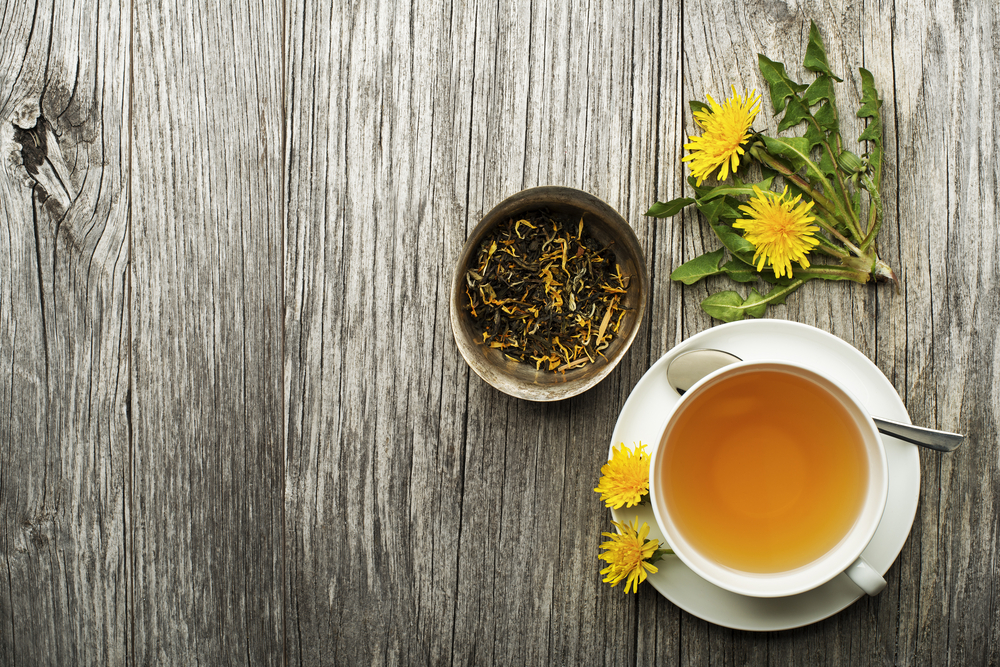
Recipe – Liver Detox Tonic

Whether or not you have chosen to engage in some kind of scaled back consumption in January, we can all use some kind of liver support. The liver is an essential unappreciated organ that filters all of the toxins that enter our body. For many of us, it’s ofter working over time and has been for quite a while. This tonic will support its function and give it a boost to keep doing its important job.

I first consumed a similar herbal concoction of red raspberry tea and nettle as prescribed from the midwife during my pregnancies. I would boil and steep the herbs in the evening, leave them overnight, then strain and consume the “tea” throughout the day.

There are several versions of this recipe and the herbs may vary slightly. I have found this one to be my preference and the ingredients easy to find at a local shop. I found the taste quite tolerable. It’s grassy and earthy in a good way. The earthiness flavor is a lot like Jerusalem artichokes (sunchokes). You can steep it for 5 minutes or let it steep longer or overnight to extract more potency from the herbs. While these are mild herbs and generally safe for consumption, I encourage you to do your own research to be sure this is right for you.

Liver Detox Tonic
(makes 500 ml or 16 oz)

Ingredients:
1 teaspoon dried burdock root
1 teaspoon dried dandelion root
1 teaspoon dried dandelion leaves
500 ml (approx.16 oz.)boiling water

Directions:
If using a teapot, place herbs in a two-cup teapot in cover with boiling water. Steep 5 minutes or more.
If using a stovetop pot, add herbs to the pot, then add water and bring to a boil. Turn off the heat, cover and steep for 5 minutes or more.
Strain and and enjoy immediately or throughout the day. Add honey to taste if you prefer.

Burdock Root
Burdock root is commonly used in Traditional Chinese Medicine and Native American medicine. The Cherokee in North America “use Burdock as a tea to eliminate poisons in the stomach and stimulate the secretion of bile for cleaning the liver,” as described in Medicine of the Cherokee by J.T. Garrett and Michael Garrett.  A mild tea is considered to be good for an upset stomach. Interestingly it is also used to treat sores and abrasions of the skin and even to treat poison ivy and rattlesnake bites. Now that’s a powerful detoxant!
In addition to its detoxifying effect in support of the liver and stomach, burdock root is also used as a blood purifier. It is an adaptogen that contains iron and B-vitamins. It is known to be antibacterial, anti-fungal and is used to lower blood sugar, support the lymphatic system, reduce cholesterol, and to treat acne and eczema due it its detoxifying properties.
* Avoid burdock root if you are pregnant or breastfeeding, have tendencies to plant allergies, or are taking diuretics, blood thinners or diabetic medications.*

Dandelion Root
Typically in nature, a remedy will be near, and the fact that dandelion is everywhere is an indication of how powerful it is. The Cherokee consider dandelion to be a “once a day” plant. The bitter leaves can be eaten in a sauté or added to soups and stews. The dried leaves are used for herbal tonics. In Traditional Chinese Medicine, dandelion aids in balancing the functions of the liver and the stomach.
Both the root and the leaves of the dandelion plant are used. They contain different properties and when used together you have a real powerhouse. Dandelion is rich in vitamins A, C, and K and specifically support the liver and gall bladder. It promotes the discharge of bile and stimulates circulation. It is anti-rheumatic and antiseptic and supports the elimination of plasma cholesterol. Dandelion leaves are antacid, antioxidant and restorative.  Dandelion root is anti-inflammatory, anti-bacterial, detoxifying and calming as well as acting as a diuretic. It is used to treat high-blood pressure, weight-loss, hypoglycemia, indigestion, and muscular rheumatism just to name some of its many uses.
*Talk to your medical practitioner before using dandelion root. Do not use if you are pregnant or breastfeeding unless prescribed by your provider. Do not use if you are taking antibiotics, psychiatric medications, Tylenol, diuretics or any product that interacts with liver function or if you have a history of allergies to plant.

Feasting and Fasting

I did my first January “fast” when I was nineteen years old. Back in 1991 I called it a diet, then later a detox, a reset, and now, a fast. I felt so good that first year after the indulgences (and weight gain) during the holidays that I continued to do it. This year marks the thirtieth year of that tradition for myself – which was modified during years of pregnancy and breastfeeding. There have been a variety of iterations over the years, but they all amounted to the elimination of sugar, alcohol, and refined carbohydrates. In the early years, I reduced fat as well going along with the trends of the day. It was the ABCs of January – no Alcohol, no Butter and Bread (including all starchy foods) and No cakes, Cookies, and Candy. A simple mnemonic reference to keep me in check. Later it was Paleo or Whole 30 or Hormone Reset or Keto; and more recently a 5-10 days water fast. As I have become in tune with this rhythm, I have also added a couple of additional fasting periods throughout the year, although January remains the longest and strictest at least for now.

We are wired for feasting and fasting and that goes all the way back to hunters and gatherers. Throughout the year they would experience periods of abundance and scarcity would have coincided with the seasons. There was more food available in the summer and autumn and much less available in the winter and early spring. These periods also aligned with daylight hours and encouraged much activity during the long days of summer and a quiet, restful period during winter, mirroring all life forms on Earth. During the plentiful months, they would take their fill in preparation for the lean times to come. Because of this cycle, our circadian rhythm includes a tendency for weight fluctuation throughout the seasons. Just as other mammals prepare for the winter hibernation by eating as much as they can and piling on the pounds, we too have an innate programming in our cells that lends itself to feasting in the fall and early winter, and then fasting in the late winter and early spring months.

As civilizations developed and progressed, that natural fluctuation has been bolstered by the harvests and the weather and religious and spiritual traditions. Pagan festivals included a feast at the winter solstice on December 21. They butchered large animals that would not survive the deep freeze of winter and kept the Yule Log burning throughout the solstice period. The Christians adopted this period of the year to celebrate Christ’s birth and the twelve days of Christmas. In recent times, this has extended into a much longer feast period often beginning with Halloween, Samhain, and Day of the Dead which blend into harvest festivals and Thanksgiving in the U.S. finally blending right into the Advent season lasting through Epiphany on January 6, often celebrated with a cake. Once upon a time, Advent was a season of fasting. These days, it’s a pre-feast feast of daily chocolate or even alcoholic indulgences. It’s no wonder that our bellies and bottoms are bursting by the second week of January.

Before modern food preservation and refrigeration, these feasts would have been followed by a period of scarcity as the ground froze and families would be sustained on stored grains, root vegetables, canned pickles, tomatoes, and preserves, and dried meats and fish. From an evolutionary and cellular perspective, our bodies are prepared for this time of lack. Just like the tulip bulbs lay in the frozen ground in the winter soil, the cells are not worried about the current situation, they are programmed to be still and patient and will sprout and announce spring when the time comes. We too have cellular programming based on circadian rhythms related to the sun and the seasons.  Daily circadian rhythms alert us to be awake during the day and asleep at night. Seasonal circadian rhythms encourage more activity in the summer and rest in the winter. More activity in the summer requires more food and we are gifted with the bounty of the harvests. Less activity is more natural in the winter as a way to conserve energy with less food available.

Modern conveniences have complicated this natural cycle. Constant availability of food throughout the year and incessant advertising campaigns to encourage purchasing and consuming more and more and more have taken a toll on our instinctual tendencies. Business and profit models leave little room for a lean month of profits which in turn prevents the achievement of physical leanness in the population at large. In his book, The Obesity Code, Dr. Jason Fung, an expert in the use of fasting for health benefits, suggests that “an imbalance between feeding and fasting will lead to increased insulin, which causes increased fat, and voila – obesity.” While the year round abundance of food that many of us have access to is certainly a blessing, it’s also something that we need to manage to maintain our health and longevity.

It doesn’t matter whether you choose to engage in Dry January or Veganuary or Whole 30 or some other program or if you call it a diet, detox, a cleanse, or a fast, reducing caloric consumption (especially of sugar and refined carbohydrates) for a few days to a few weeks will allow the digestive and circulatory systems, including the liver, some well-earned time of rest and renewal. Not sure where to start? – how about try Intermittent Fasting – which is essentially skipping a meal a couple of times per week. Finally, don’t get discouraged if you feel lousy the first few days, that’s just the body’s cleaning crew doing its job.  Stick it out one day at a time to enjoy the lightness, clarity and alertness on the other side.

If you are interested in personalized support and creating a customized wellness plan, contact me at sheila@restorativelife.com to schedule a discovery call.

An exploration of iron and iron deficiency – Part II

“You are both stars, don’t forget.
When the stars exploded billions of
years ago, they formed everything
that is this world. The moon, the
trees, everything we know is
stardust. So don’t forget. You
are stardust.
– ROSE PEDDLER”
― Richard Linklater, Before Sunrise

Part II

Part II explores the specific role of iron in the body and includes a variety of suggestions of how iron levels have been shown to be supported across a range of healing modalities.

Read Part I to learn more about iron as an element, how we have interacted with iron in history, and symptoms of iron deficiency.

***If you suspect you have iron deficiency, work with a medical professional to create an appropriate treatment plan.***

Iron Absorption and Regulation in the Body

Iron is found in hemoglobin in red blood cells in the body. When red blood cell count is low, there is less oxygen that is transported and delivered to the tissues and organs in the body. It is important to understand iron absorption to ensure adequate red blood cell production in the body.

The ability of our body to absorb iron is equally as important as iron levels. In a tightly regulated system due to its toxicity in high doses, the body maintains iron storage when there is an excess. This can become a problem when signals get mixed up and the high iron storage signals the body that there is enough iron when in reality, our bodies most easily iron consumed in an ongoing basis. In this case, iron storage has reached capacity sending a message that there’s no need to absorb incoming iron and leads to the same symptoms as iron deficiency. A ferritin test will help the doctor understand if there is a situation of low iron or iron overload. A diagnosis of low iron or a more serious chronic condition is worked out by obtaining both blood iron levels and ferritin levels. Hemochromatosis is the most common type of iron overload and is a genetic condition in which the body has a tendency to absorb excess iron from the diet. Those with this diagnosis follow a diet to that reduces iron consumption to avoid toxicity.

Tests to measure iron level include serum iron which measures the level of iron in the blood, serum ferritin which is a protein supporting iron storage in the body, and transferrin level which is the protein carrying the iron in your blood.

Causes of Low Iron

There are a variety of causes that may contribute to low iron in the body which itself is a complex machine of hormones and systems that interact with one another. It’s necessary to work with a medical professional to understand the source of the problem. It’s worth doing the detective work and as we’ll see, some medical traditions such Ayurveda and Traditional Chinese medicine treat the cause rather than simple the symptoms. An iron supplement sounds like a quick and easy fix, but it won’t necessarily resolve the situation if the underlying cause isn’t addressed.

Causes for low iron and iron deficiency may include: heavy menstruation, lack of sufficient iron in diet, poor iron absorption, internal bleeding, stress, rigorous exercise, vegetarian diet, anxiety, chemotherapy, and pregnancy, just to name a few. Excessive stress is especially toxic systemically. It shuts down ordinary digestive function and the release of stomach acids which prepare the stomach to absorb important nutrients, including iron.

Dietary Iron

There are two types of dietary iron.

Heme iron is that which comes from animal sources and is more easily absorbed into the body.

Non-Heme iron comes from plant sources and has been shown to be less easily absorbed into the body.

Blood Deficiency, TCM and Ayurveda

Traditional Chinese Medicine (TCM) considers low iron in the body to be blood deficiency. Treatment is directed at the liver, spleen, and digestive system rather than at iron levels itself. In Ayurveda medicine, iron deficiency is believed to be rooted in a “weak digestive fire”. Dietary recommendations are based on balancing the digestive heat in the body to support the blood and ensure adequate elimination of toxins. Like TCM, the focus is on a blockage in the liver. Healthy digestion is the primary focus followed by supporting circulation.

Recommendations

The best and fastest way to increase iron levels in the body is through dietary food containing heme iron. The following is a collection of other known modalities to support optimal iron levels in the body. Be sure to discuss with your doctor for which ones are right for you.

Diet

Much research has revealed that calcium in foods and supplements specifically blocks iron absorption, therefore it’s necessary to be strategic to target optimal levels of iron absorption. A message for those who eat meat from The Iron Disorders institute suggests:

  • Two hours BEFORE a “Meat Meal” AVOID coffee, tea, high fiber, eggs, chocolate, dairy or calcium supplements
    • “Meat Meal” is lean, red meat: beef, venison, lamb or dark meat chicken, turkey or fish. Eat with: a leafy green salad and vitamin C rich food such as juice: (tomato, vegetable juice or orange juice.) Take iron supplements* with this meal.
  • Two hours AFTER a “Meat Meal” AVOID coffee, tea, high fiber, eggs, chocolate, dairy or calcium supplements

For those who do not eat meat it’s especially important to pay attention to the following lists and to what enhances iron absorption and what interferes with it. Then adjust your meals and lifestyle choices accordingly to get the greatest result. For example, drizzle lemon juice on a serving of spinach and consume any dairy or high calcium food at another meal. In essence, follow the above instruction with your non-heme iron and discuss with your doctor how to further increase iron levels.

Heme Foods with highest dietary iron:

  • Beef Liver
  • Chicken liver
  • Giblets
  • Oysters
  • Mussels
  • Clams
  • Beef
  • Egg yolks
  • Blood Sausage
  • Black pudding
  • Desiccated liver (in pill or powdered form)
  • Bone Broth

Non-Heme Food with highest dietary iron:

  • Prune juice
  • Spinach & dark leafy greens
  • Sesame seeds
  • Pumpkin seeds
  • Chickpeas (with lemon)
  • Beet juice
  • Dulse
  • Chard
  • Parsley
  • Blackstrap molasses
  • Dried apricots
  • Pistachios (best nut, other nuts such as almonds may inhibit iron absorption)

The following enhance absorption of iron:

  • Pink Himalayan salt (its pink hue is due to iron deposits in the rocks)
  • Vitamin C
  • Vitamin A
  • Potassium
  • Manganese
  • Adequate copper
  • Cook with a cast iron skillet
  • Use Iron Fish to naturally increase iron in food and water

The following interfere with the absorption of iron:

  • Caffeine
  • Alcohol
  • Calcium
  • Magnesium
  • Zinc
  • Phytic Acid (found in grains and legumes)
  • Gluten
  • Casein
  • Soy
  • PUFAs (bad fats, fried food)
  • Sugar
  • Tannins
  • Soda
  • High Cortisol (stress)
  • Worry and anxiety – viscous cycle between cause and effect of low iron; worry tends to cause loose bowls which tends to inhibit absorption of nutrients in general; low iron causes stress on the body which exaggerates symptoms of worry and anxiety

Medications interfere with iron-absorption (keep a 2 hour window between consumption):

  • Anti-acids
  • PPIs
  • Tetracycline and other antibiotics
  • Painkillers

TCM

Traditional Chinese Medicine may include consumption of herbal tonics, herbs, and bone broth; acupuncture and other therapies.

Ayurveda

An Ayurvedic doctor will work with your diet to bring your doshas into balance. Treatment may include tonics and herbs that support the body to strengthen the immune system, and a customized diet to regulate digestion and circulation, and eliminate toxins effectively.

Crystals

Crystals are used in healing to promote physical, emotional, and spiritual wellness by interacting with the body’s energy field. You can wear them as a bracelet or necklace, carry them in your pocket, and keep them by your bedside or under the pillow while sleeping. Be sure they are regularly cleansed or charged in running water, sunlight, or moonlight.

  • Hematite – known for its grounding and protective properties. It has a powerful connection to the blood and supports restoration, strengthening, and regulation of blood supply.

Herbs and teas

Best to focus on herbs to support liver and digestion, as well as stress reduction.

  • Liver tonic
  • Peppermint tea
  • Chamomile Tea
  • Tea of nettle leaf and dandelion leaf
  • Fresh parsley added to meals

Essential Oils

The best way to use essential oils to support low iron is to use them to reduce stress, manage moods, and support sleep.

  • Citrus oils – lemon, orange, tangerine
  • Peppermint
  • Eucalyptus
  • Frankincense
  • Lavender

Lifestyle

  • Sleep – Sleep is our body’s dedicated time for restoration and recovery. Waste is eliminated and systems are recharged in preparation for a new day. Read more about the importance of sleep in a previous blog, Reclaiming Sleep, and consider ways to improve your sleep routine to make the most of this time.
  • Movement – regular movement supports the lymphatic system to release toxins from the body. It also stimulates circulation and blood flow. Monitor movement according to physical ability and energy levels. I wrote about the important of movement in the post Forget exercise less, move more.
  • Stress Reduction – Stress is one the most toxic things we are exposed to on a regular basis. Optimal health and balance of body, mind, and spirit will not be achieved without learning about and practicing ways to reduce stress. This may include breathing exercises, mindfulness and meditation, yoga, massage, close relationships,
  • Self-confidenceDo things that make you feel empowered. Be your best self.

Well friends, you made it to the end. My hope is that you found something useful and learned something new. Please share this with others so that we can all have a better understanding of optimal iron level for vitality and live long and strong.

***I am not a doctor or medical professional. I am a health coach, writer, researcher, and teacher. My aim is to share the information that I have discovered in order to expand the understanding of what is possible in terms of treating and healing health related issues of the body, mind, and spirit with natural remedies when possible based on traditions from around the world to complement and enhance modern conventional medicine. ***

If you are interested in focused support with your specific health challenges, meal planning, menus and lifestyle adjustments, please contact me at sheila@restorativelife.com