Fermented Foods Help You Flourish

“Squeamish stomachs cannot eat without pickles.” Benjamin Franklin

There’s a reason we say trust your gut. It’s home to trillions of healthy bacteria, which play a key role in helping you absorb essential vitamins, keep your immune system in tip-top shape, stay regular, and contribute to good mental health. Keeping these friendly helpers in balance may sometimes be a struggle, as Benjamin Franklin well knew, but regularly enjoying fermented foods and beverages can help bring them back into alignment and keep your systems humming with vitality. 

Fermentation harnesses naturally occurring and helpful (“good”) bacteria and yeast to turn sugars and starches into alcohols and acids which helps make food more nutritious and preserve it. Thus, raw cabbage becomes kimchi or sauerkraut, cucumbers become pickles, milk becomes yogurt, and tea becomes kombucha to name but a very few.

Though these foods have gained popularity in recent years and are readily available in many grocery stores, the summer is an ideal time to try your hand at making your own. Sauerkraut, kimchi, and fermented pickles and salsa are not difficult, don’t require a lot of special equipment, and are a wonderful way to use up nature’s bounty of fresh summer veg.

Sauerkraut can be an ideal place for the beginning fermenter to start since it requires little more than cabbage, salt, and time. Though many recipes make enough to keep you in ‘kraut for many months, you may want to start with a smaller batch like this one from Emma Christensen. That’s probably not enough for my household, though, given that my husband and I bonded early on in our relationship over a shared love of sauerkraut, my daughter got top marks in a Fifth Grade science project for comparing batches made with purple and white cabbage, and I’ve even been known to sneak it into a cake!

Once you’ve mastered sauerkraut, take your skills up a notch with kimchi, the hot and spicy Korean fermented cabbage. It features prominently in Korean dishes such as tofu stew, dumplings and pancakes, but is equally delicious eaten as an accompaniment to almost any meal from scrambled eggs to spaghetti. Kimchi, like this easy version created by Emily Han, usually refers to a recipe made with Napa cabbage, but there are as many varieties of kimchi as there are people who eat it. Personalize your own batches to find one you love best, and/or to use what’s in your fridge at the moment. 

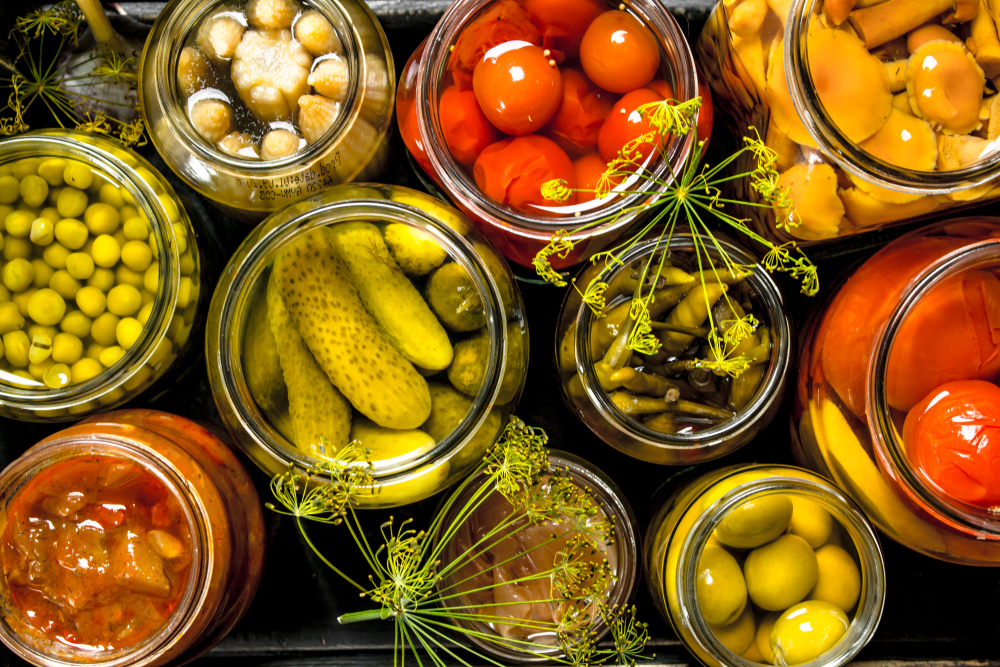
Moving on from cabbage, fermented pickles vary from the standard variety more commonly found in grocery stores as they rely on naturally occurring bacteria instead of brine to transform and preserve them. Think beyond traditional pickled cucumbers to include cauliflower, carrots, peppers, jicama, fennel, parsnips, turnips, onions, green beans … whatever catches your eye at the farmers market this weekend. This recipe for mixed pickles from The Kitchn makes a half-gallon size batch.

My son and I experimented with fermented salsa earlier this year during the home schooling days of lockdown. Like the other recipes mentioned here, the salsa can be made in a simple glass jar and only needs a few days to develop. Kristin Marr’s recipe makes a fresh and tangy condiment that’s much more robust and flavorful than anything you’ve dipped a chip in before. Summer tomatoes are already one of life’s truest pleasures, and this salsa enhances their seasonal glory.

Whichever ferment you chose to tackle, it’s likely you already have most of the supplies you need: Glass jars with lids, a cutting board (wooden is my choice), a sharp knife, non-iodized kosher salt, and filtered water. The produce you chose is down to personal preference. I use the freshest veg I can find — so much the better if it’s organic and/or homegrown. Fermentation will enhance excellent produce, but even its magic cannot make sub-par vegetables sing, so don’t use anything with obvious mold or mushy spots.  

I prefer using glass canning jars, but I’ve also been known to repurpose a condiment jar. When my daughter made two massive batches of sauerkraut for her science project, we invested in gallon-size glass jars, but unless you’re feeding a crowd on a regular basis, quart, pint or even half-pint jars will likely serve you well — your recipe should guide you on size and quantity of jars needed. If you develop a true passion for home fermentation, purpose-made crocks and jars are readily available online and in some large home-goods stores.

Avoid using plastic containers. Even food-grade vessels can harbor harmful bacteria in the scratches that accumulate over time, which will affect your final product. Additionally, plastic can leech chemicals into the food I’d rather not ingest. I also avoid using metal while stirring or storing my creations. Metal can not only affect the ferment, but the acid created during the process can create rust — not tasty.

Before you begin, sterilize your jars and lids. I either run them through a hot wash in the dishwasher or place them in a large roasting pan and pour boiling water over and around them. I ensure my cutting board, knife, and any measuring tools are scrupulously clean, and I take off all my jewelry and wash my hands well. But even with squeaky-clean hands I know that simply by handling the food and jars, I’ll both absorb and add to the good microbes in whatever I’m preparing, making every batch a true original.

After my vegetables are chopped and packed into my containers, I store them out of direct sunlight, in a warm but not hot place (65-75 degrees Fahrenheit is ideal). In the summer, almost any place in my kitchen meets this criteria. In the winter, I incubate them near a wall where the hot water pipes come up to the sink. No matter the season, I cover my jars with a light kitchen towel or cheesecloth. This lets air flow in, out and around, but ensures I’m not preserving any fruit flies or other insects along with my veg.

Soon you’ll notice activity. Exciting! It means your bacteria are hard at work. The liquid in your mixture might bubble or foam. If your bacteria are really active, it might bubble over the top of your jar! (For this reason I put a towel or plate under my jars.) If the mixture gets too warm or the liquid level falls below the solids, you may notice some mold forming. This is usually harmless and can be scraped off and disposed of, but use your best judgement and, yes, trust your gut.

You may wonder how you will know when your fermentation process is “done.” Though you will undoubtedly be able to see changes in texture, color and smell, how long you leave your veggies to bubble away is down to personal preference. I like to sample my mixtures along the way to find the ideal taste and texture. The veg is safe and healthy to eat at any stage, though the beneficial microbes will continue to multiply the longer you leave it. When I’ve reached the finish line (usually after just a few days), I store my creations in the fridge.

Finally, have fun! Humans have been preserving food via fermentation for thousands of years. By making your own batches of sauerkraut, kimchi, pickles or salsa this summer, you’ll not only carry on this ancient tradition, you’ll be treating yourself to a whole host of homemade health benefits. How delicious.

Resources:

  • I love the ease and simplicity of recipes found in Fermentation for Beginners by Drakes Press. From cottage cheese to root beer, this small volume is packed with good advice and a wide variety of fermented foods and beverages to start you on your fermenting journey.
  • Though single veg ferments like sauerkraut are undoubtedly healthy and delicious, you increase your microbiome exponentially by eating kimchi and mixed veg since each ingredient brings something a little different to the finished product.
  • In the same vein, eating a little fermented food everyday is more beneficial than a lot once in a while, as it tops up your good bacteria and keeps them consistently happy — all the more reason to always have a jar of something bubbling away on the counter. 
  • Sauerkraut cake? I knew you’d be interested. It’s from domestic doyenne (and syndicated columnist) Heloise. I’m sure it’s not the healthiest way to serve ‘kraut, but it works a treat if you happen to have any leftovers (or want to convert sauerkraut haters — they’ll never know there’s cabbage in with the chocolate). 

by Stefin Kohn, Contributing Writer 
Writing Down Your Life: The Joys and Benefits of Journaling

“Fill your paper with the breathings of your heart.” William Wordsworth

It is a simple and profound ritual performed to gain clarity and insight, capture memories, or just get something off your chest. It can help focus your intentions, stay thankful, keep track of your physical and mental health, or even work through a tricky patch with a child or partner. And in the process, you may lower your blood pressure, reduce anxiety, increase concentration, vocabulary and overall intelligence, and improve your self-discipline and self-esteem.

Interested? All you need is pen and paper.

Journaling is a time-honored way of working through challenges while increasing self-awareness, communication and creativity. 

Writing about your feelings used to be called keeping a diary, and that’s what my first journal was: A sweet little purple diary that Santa stuffed in my stocking the year I was 10. It had a tiny golden lock and key which may have been security overkill for a volume that was mostly devoted to boys I thought were cute. But even then I was hooked on the idea of a place to record whatever I wanted without judgment.

That same feeling of freedom — of being allowed to express and explore my thoughts without critique from teachers, parents or friends — was especially important when I was in high school and full of more angst (though still documenting potential boyfriends). I scribbled in proper bound volumes picked up in stationery stores and museum gift shops, but also on pages of lined notebook paper — daydreams, ideas for short stories, song lyrics, doodlings. When I reread that writing now I am struck by the balance of passionate intensity and utter nonsense — perhaps the very definition of being a teenager.

Writing daily and intensively during a trip can result in a collection that reads like part travel journal, part time capsule. During my year studying abroad in college I wrote every night — recounting, reminiscing, and mostly rejoicing in the magical time I was having with new friends, experiences, sights, and cultures. Of all the souvenirs I picked up during that period of my life, none is more precious to me than those sometimes short, sometimes long, sometimes funny, sometimes heartbreaking accounts of a girl finding herself half a world away from where she grew up. 

Capturing a small bite every day, over a decade or longer, can paint a picture of a life that has breadth and depth, more so than might be achieved trying to “dig deeper” on fewer occasions. You can recap a day through foods you’ve eaten, funny conversations with a child, or an outing with a partner. These days, and for the past 10 years, I’ve kept a page-a-day journal that features just six lines on which to record an entire day. I’m always astonished to see that, though I don’t plan it, I regularly eat the same meal or do a similar activity on the same day each year!

Even if you don’t write daily, dumping jumping thoughts onto an unassuming piece of blank paper can be deeply therapeutic and help you work through worries and fears — no matter if you’re starting a new job, moving countries, becoming a parent, dealing with other types of loss and change, trying to solve  difficult problem, or simply trying to figure out what to do next.

Journaling forces you to stay in the moment (otherwise known as practicing mindfulness), which in turn reduces anxiety and worry, and silences the proverbial “monkey mind.” Getting off the treadmill of overthinking and overanalyzing helps improve sleep and immunity and lowers blood pressure.  

Regular journaling boosts your smarts. Simply by writing more, you’ll naturally increase your word choice and writing stamina. A consistent practice also improves concentration and memory, and can increase self-esteem as you review challenges you’ve overcome. 

And speaking of overcoming challenges, regular writers also increase emotional intelligence by looking inward and becoming aware of patterns and beliefs. By cultivating your own self-awareness, you’ll harness empathy to better understand others, too. Additionally, a commitment to a consistent journaling practice helps focus and strengthen self-discipline in other areas of your life, from an exercise routine to healthy eating.

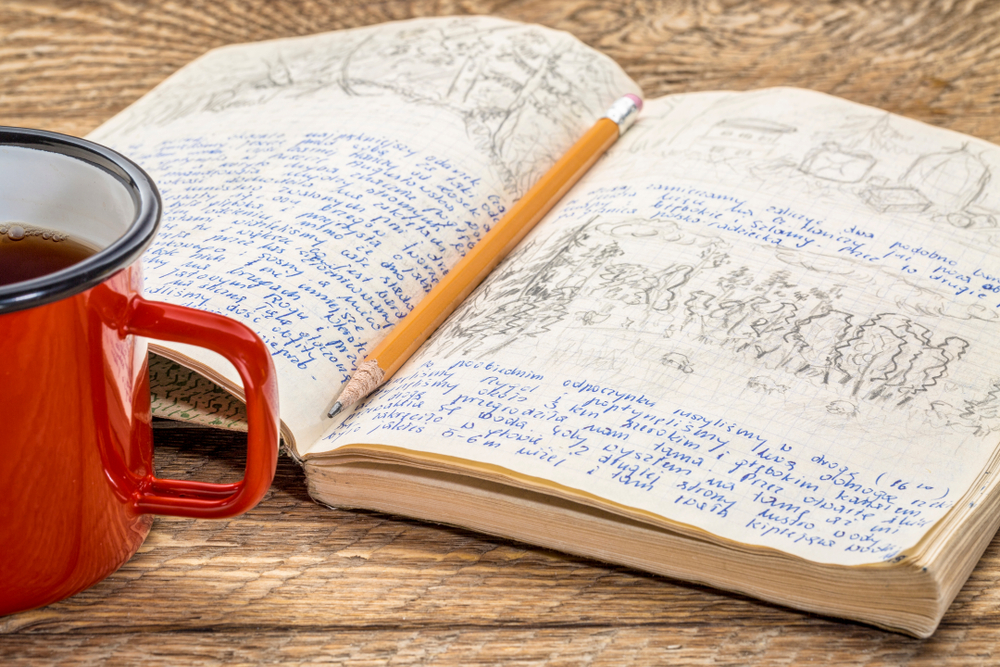
Still think journaling isn’t for you? Then turn it into something that is, and call it whatever you like. You can create lists, or jot down things you’re grateful for. You can set goals, reflect on projects, or start new ones. You can illustrate your musings using colored markers. When you’re having a hard time communicating face to face with someone, a shared journal can be a helpful tool: You write what you’re feeling, then hand it off for them to respond. (This works especially well with teenagers.) Maybe you’ll decide, as I did, that a travel journal would be a special way to preserve your memories. Your idea of journaling may be one of these or none of these. What matters is establishing a routine, and writing down what’s important to you in the moment. (And you need never start “Dear Diary …” unless you want to.) 

After nearly 40 years of journaling, I can unequivocally say my life is the better for it. My current volume is so precious to me that whenever I travel, it rides shotgun in my purse. It’s a chunky little thing and takes up a fair amount of room, as well as adding weight to my already overloaded handbag. But I think it deserves special treatment. It is, after all, the story of my life.

To Think About:

  1. “Just start writing” can be infuriating advice when a blank piece of paper seems to be mocking you. That’s why journaling prompts can be incredibly helpful. You can buy journals with prompts built in, but Medium.com has a list of 70 suggestions which range from your childhood to your career to your relationships to help spark inspiration.
  2. Establishing a routine can be one of the most significant benefits of journaling. Whether you choose to write first thing in the morning, last thing at night, on the 15th day of the month, whenever there’s a full moon … be consistent and make the time sacred. This is what leads to benefits for mind, body and spirit.
  3. “Bullet journals” have become trendy in recent years, and have expanded the idea of what journaling can be. Equal parts day planner and to-do list, they incorporate illustrations, calendars, goals and inspiration. If you are new to journaling or want your journal to aid your productivity or efficiency in addition to your mindfulness, this may be a good place to start.

by Stefin Kohn, Contributing Writer
Why Being Bad is Good For You

“Life begins at the end of your comfort zone.” — Neale Donald Walsch

In college, one of my best friends was studying for a fashion degree. During our final semester, in the spring of 1997, she suggested I join her in a millinery class to learn hat making. I’d done a little sewing — I knew my way around a sewing machine, could replace a button, fix a seam. As a lover of fashion, and having been constantly intrigued by her classes over the previous four years (so different to my own), it seemed like the perfect ending to my college years — fun and a bit frivolous. How hard could it be?

Turns out that admiring hats is very different from making them — it was, in fact, the opposite of fun or frivolous. No matter how many notes I took, questions I asked, or help I requested, a huge disconnect occurred between what I dreamt up and what I watched my hands form. Somehow I made it through eight weeks, and, mostly due to my friend’s intervention with needle and thread, eked out a passing grade.

But of all my college classes, I might remember FASH405 the fondest. It remains one of the most excruciating but beneficial courses I’ve ever taken, because it reinforced lessons more important to me than bespoke hat making:

  • humility;
  • how to laugh at myself;
  • the world didn’t end because I wasn’t perfect at everything I set my hand to.

We are naturally drawn to things we are good at and enjoy. But while playing to our strengths may be comforting, it’s also one-sided. Focusing on new tasks — in particular, ones we’re not at ease with or good at — can be the ones that accelerate true growth for adults. And the lessons learned may be far removed from the original skill we set out to master.

Hobbies are a perfect way to let go of the stress of our day-to-day lives, free of the “must dos” of work, parenting, chores, or other responsibilities. They, like any new challenge, literally rewire new pathways in our brains — making us more intelligent overall. Yes, even a C- in millinery helped make me smarter. The same can be true of picking up a guitar, even if you’ll never be inducted into the Rock and Roll Hall of Fame; or taking acting classes, even if the only Academy Award speech you’ll ever give is in front of your bathroom mirror. We reap the rewards of pursuing a hobby — relaxation, being present, finding flow, adding enthusiasm and zest to our regular lives — whether we’re good at it or not.

It’s really about relishing the journey more than the destination and letting go of the maxim that satisfaction depends upon perfection or even monetization. I’ve practiced yoga for more than 20 years but still can’t get both feet off the ground in crow, nor execute a headstand. I love to craft but no one who’s seen my projects has ever wanted to buy them off me. But I enjoy both hobbies immensely and can’t imagine my life without them. They help me find balance and express myself creatively. I may be “bad at them,” but they still feel pretty good, and, crucially, I’m still learning and progressing bit by bit. 

Willingness to do something poorly also allows me to sympathize with others who struggle with what comes naturally to me. In that same hat-making class, I helped another senior write a description of her final project. She looked at me the same way I’d looked at her whipstitch her velvet beret — like I had mysterious powers. I try to remember that lesson and practice patience with others, remembering that what I find easy — whether that’s baking a cake or playing air hockey — is, in fact, not easy for everyone. We are all blessed with different gifts. By spending time outside our comfort zone, we encounter many different types of talents to admire and even emulate.  

I’ve never returned to hat making, but I held on to my favorite — a straw bucket-style. Over several classes, I’d wet and softened the straw until it became pliable. I stretched it over the wooden hat block, then, when dry and formed, sewed a wide black ribbon around the crown. I carefully stitched in the slim hat band, and, at last, took it up to the professor for grading. I felt sure that finally, in the last week of the semester, I’d made a masterpiece.

The kind but bemused instructor was less convinced. I’d located the straw’s seam front and center, not around back where it should have been. I’d not used the proper stitch on the hat band, and had left a gap between the ribbon on the outside. In her eyes, this English major had failed, again, to grasp basic millinery tenants. 

But in my opinion, that straw bucket is my magnum opus. Unlike every other hat I made that semester, this one matches exactly the picture I had in my head. I love wearing it. I love telling people I made it. Most don’t notice the wonky seams or lack of precision, they just want to know more about what it’s like to make a hat from scratch.

I’ll probably never be a professional milliner or yogi, nor sell my crafts on Etsy. But I hope I’m a wiser, more sympathetic, more clear-eyed adult who can laugh at herself, keep trying new things, and more importantly, enjoy the ride.

I’d call that success.

by Stefin Kohn, Contributing Writer

Resources – 

  • Elizabeth Day is the reigning doyenne of failure. On her podcast, and book of the same name, How to Fail, she talks to both famous and “ordinary” people about what their failures have taught them. Her follow-up book, Failosophy, was published in October 2020.
  • Dr Barbara Frederickson is a towering figure in the world of positive psychology. Listen to her talk about why prioritizing connection over achievement leads to better health and happiness on Episode 341 of the Ten Percent Happier podcast.
  • Still searching for something to fail at? A simple Wikipedia search for “hobbies” renders an incredible wealth of options: From watch repair to embroidery, metal detecting to calligraphy, they’re in alphabetical order and category (outdoor, indoor, sports, educational, etc.). There’s literally something for everyone, and probably a few you’ve never heard of. (Gongoozling anyone?) You’re bound to be bad at one of them. 

Forest Bathing Brings Serenity One Step at a Time

“All my life through, the new sights of Nature made me rejoice like a child.” —Marie Curie

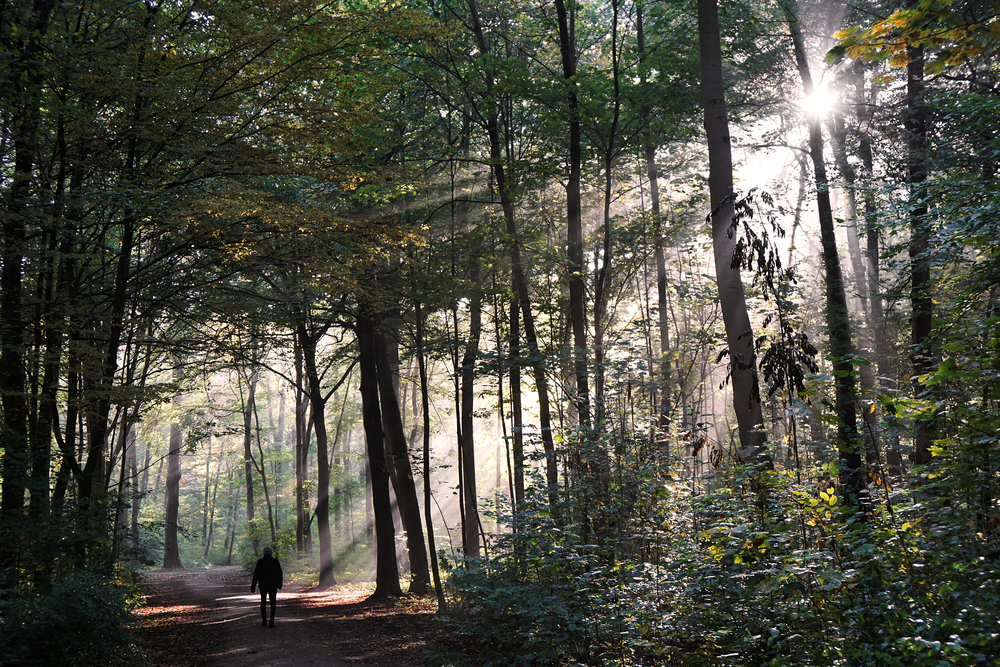
During England’s first lockdown in the spring of 2020, I took refuge in a wooded section of a park not far from my home for my daily, government-allowed exercise. Crisscrossing the extensive trails over several weeks, I watched hyacinth bulbs emerge from the ground, inch by inch, and burst into their heavenly scented, ruffled flower. As if in my own personal stop-motion film, I saw leaves unfurl from the trees above, bracingly green and brand new. I kept an eye on a mama duck perched on her nest near a small pond — rejoicing as she, one day, was joined by a brood of fluffy ducklings. Observing the natural world continue its uninterrupted march into springtime and rebirth, even as my life had seemingly ground to a halt, filled me with a deep sense of peace and perspective. 

Though I didn’t know it at the time, I was, in fact, practicing the Japanese art of shinrin-yoku, or forest bathing.

In the 1980s, looking for a way to combat burnout amongst young workers, as well protect national forests, researchers in Japan found that time in nature lowered blood pressure, blood sugar, and cortisol (the “fight or flight” hormone), and increased focus, relaxation and concentration. Thus, shinrin (forest) yoku (bath) — forest bathing — was born. It’s proved such a success that it is now part of the national health program in Japan, and has been adopted by people all over the world. The simple practice of experiencing a forest — or any natural habitat — with all senses has profound physical and psychological benefits for the mind and body.

But what does it mean to bathe in a forest, and, more importantly, why should you?

To begin with, it may be helpful to point out what shinrin-yoku is not. It’s not exercise — at least not in the “feel the burn” definition. Your hike, walk, or jog is not the primary focus of the practice, though you will undoubtedly rack up points on your step counter. But rather than focusing on mileage, or heart rate, shinrin-yoku asks that you wander rather aimlessly — guided by your five senses: the sights, sounds, smells, and even things you are able to touch and taste along the way. You have no destination, nowhere to be, except exactly where you are. Savoring your time in nature with all of the senses available to you is the entire point. It’s an immersive experience to connect you with the natural world. 

Experts say that a two-hour session is ideal to reap the full benefits of shinrin-yoku, but any amount of time will pay dividends in lower heart rate and blood pressure, increased relaxation, and crucially for many of us, time away from technology. Indeed, it may be easier for beginners to start with small chunks of time and build up to a full two hours.

I soon noticed that my walks in the woods afford me more solace than walks I took on city streets, even as empty as they were of the usual hustle and rush of “normal” London. That may well have been down to the oxygen rich atmosphere I was walking in amongst the trees. But it was also likely due to the aromatic compounds released by plants called phytoncides. These chemicals help trees fight off invaders like bacteria, fungi and harmful insects, and, when breathed in by humans, become important infection and inflammation fighters. Some researchers believe these powerful immune-system supporters can aid healing and even increase happiness. 

Additionally, nature, in all its every-changing glory, provides a distraction that helps combat anxiety and depression. In pandemic times especially, it’s easy to get caught in a never-ending cycle of rumination, worry, and speculation. Shinrin-yoku frees up the mind for creativity and provides a link to something bigger than ourselves, allowing us to see how we slot into a larger picture.  

Technically, and fortunately for those without ready access to green space, you don’t necessarily need to practice shinrin-yoku in a forest. You can take advantage of any natural environment — even your back patio — as long as you apply the principles of mindfulness: Slow down, turn off your tech, take big, deep, belly breaths, and notice how the outdoors makes you feel.

How to accomplish this? Be mindful. Listen: to birdsong, to the wind in the trees, to the scampering clatter of a squirrel’s tiny feet. See: the changing beauty of the natural world, the bright green awakening and blossom of spring, the lush exuberance of summer, the fiery blast of autumn, the naked sparkle of winter. Smell: the damp dirt, the tang and rot of the carpet of leaves, the freshness of the air after a rainstorm. Feel: the heaviness of the humidity in the air, the ground beneath your feet, the rough bark of a tree, the soft moss on a fallen log. Taste: the raindrops on your tongue, a sip from a clear stream (or, more realistically perhaps, a refreshing drink from your water bottle).

By tuning in to your five senses, you can expand what advocates of forest bathing call your sixth sense — a state of mind that encompasses equanimity, relaxation and joyful communion with nature. Twelve months and many miles later, as England emerges from another long national lockdown, I watch the magic of new life unfolding once again this spring. During a tumultuous and unsettling year, shinrin-yoku helped bring me back to myself, one step at a time. 

Want to explore more?

  • There are many books exploring shinrin-yoku in more detail. Dr Qing Li, an immunologist at Tokyo Medical School, is a well-respected physician and president of the Japanese Society of Forest Bathing. He authored Shinrin-Yoku: The Art and Science of Forest Bathing.
  • In the UK, both the National Trust and Forestry England have thoughtful web pages devoted to forest bathing. The National Trust’s site includes a list of forests; Forestry England has 360-degree virtual forest tours for those unable to access green space in person.
  • Japan Travel has an extensive list of national forests in which to practice shinrin-yoku in the country it was conceived.
  • In the US, the Forest Service as well as many individual state websites, list forests to bathe in, from the Allegheny National Forest in Pennsylvania to the Olympic National Forest in Washington State.

By Stefin Kohn, Contributing Writer

Cultivate Curiosity as an Adult Learner

“I have no special talent. I am only passionately curious.” — Albert Einstein

Among the 2016 graduating class at South New Hampshire University, one student stood out. It wasn’t because of her perfect 4.0 GPA or the fact she was distance learning from Hawaii, nearly 5,000 miles away from SNHU’s campus. It was a few other numbers that made many sit up and take notice. After 54 years away from college courses, 94 year old Amy Craton graduated with her bachelor’s degree in creative writing and English, making her the University’s oldest graduate. She had stepped away from college in midlife to raise four children, but decided she had more to learn, and, more importantly, that it wasn’t too late. 

“It feels good to graduate, but in many ways I feel I am still on the road; I have more to learn” she told her alma matter. “If you’re thinking about going back to school, do it. You’ll open up a whole new life.” A poet with a special fondness for haiku, Amy hopes her degree will help her realize another dream — publishing a children’s book.

Not all of us are nonagenarian undergrads, but we can still benefit from the significant upticks in health, happiness, quality of life and general satisfaction to be had from learning something new in adulthood. Turns out, following Dale Carnegie’s advice “to be interesting, be interested” can keep your brain and body limber, introduce you to new people and ideas, broaden your worldview and introduce some good, old-fashioned fun. Crucially, it can also expand confidence which can take a hit once we’re no longer full-time workers or parents. 

Picking up a new skill as an adult can challenge ideas and preconceptions about who you are and who you can be. True, you may take continuing education courses as part of your job, and by adulthood, most people have taught themselves how to manage their household and finances. In many ways people continue to learn professionally and practically to grow (or change) their careers or make their lives run more smoothly. But these types of pursuits often fall under the category of “training” or “must dos.”

What about learning for the joy of learning?

Amy’s story illustrates one pathway to that joy — organized, academic, and with a clear end point. Indeed, adult student enrollment at the university level has continued to grow, year over year, since 2008. And for good reason: Adults often bring a focus, determination and a general willingness to put in the effort, along with a sense of purpose and sense of self that many younger students may not. Flubbing the correct pronunciation in your French class may not be a barrel of laughs for anyone, but you’re likely to care less about embarrassing yourself at 56 than you were at 16.

Adults can be free to indulge in their curiosity and passion. Love to paint? Curious about ceramics? Intrigued by the life of a private investigator, medic, garden designer, voice-over actor or (fill in the blank)? A variety of short-term classes can give you a taster without the time or expense inherent in a degree program.

Many adults regret not having learned a foreign language or musical instrument as children. It’s generally accepted that both of these pursuits are trickier to pick up later in life. But that doesn’t mean they’re impossible, and you’ll have something younger students don’t — real-life experience that can help you master all kinds of new tasks. My mom started playing the piano at 63 and, while occasionally frustrated with the difficulty, it gives her a great sense of satisfaction as a music lover. Plus, she has a lot of time to practice, something she definitely didn’t have while she was working full time and bringing up two kids.

And remember that not all learning is academic or requires lessons. Many adults take up a new sport. Though you’ll probably never dance with the Bolshoi if you start when you’re past the average retirement age of a prima ballerina, adults who try running, cycling (including BMX and road racing!), power- and bodybuilding regularly find success in all age groups. Runners, especially, can set records well into their golden years. The benefits of staying active, and setting goals, are enormous. Staying (or getting) in shape keeps the brain pliable and helps the release of important hormones that keep connections fresh and promote the growth of new synapses.

As a longtime advocate of mindfulness meditation (and my mother’s daughter), I practice one of the cornerstone tenants in my daily life: STAY CURIOUS. I taught myself audio recording and editing software when I hosted my podcast Preheated. I took up running in my early 30s and ran four half marathons as well as lots of shorter races over the next decade, before I took up tennis for the first time at 44. I have lots of other fascinations, too, from Second World War history to astronomy, quilting to jam making. While all of these interests may have felt overwhelming and scattered as a young person, they now feel expansive and unlimited. Who do I want to be today, and what do I want to learn?

Maybe I should take a page from Amy Craton. She’s currently studying for her master’s.

Want to indulge your curiosity?

  • Massive Open Online Courses: These online courses are available for anyone to enroll, and cover an incredible range of subjects from Shakespeare to structural engineering. Dabble in a variety or complete a master’s degree. MOOC partners with top universities all over the world, from Purdue to The University of Queensland.
  • London-based City Lit has an extensive array of evening, daytime and weekend courses, lectures, workshops and talks. Learn in person, or chose from thousands of their online offerings, covering everything from acting to anthropology. Taster courses start at just £10.
  • Your local community center, university or community college may offer courses for “mature learners.” Love it? Great! Not for you? No problem. You’re an adult and you get to decide. One of the most satisfying moments of my adult life was walking out of a knitting class when it became abundantly clear I was hopeless (more on that later this month).
  • Alternatively, in our Zoom era, the world has shrunk — you can learn to make donuts with a pastry chef in London even if you live in Milwaukee. Consider expanding your class searches outside of your geographic area. (And consider the courses at Bread Ahead — they’re fantastic.)
  • Don’t forget volunteering! It can be the perfect opportunity to expand your worldview, change your perspective, and meet people from different walks of life — all very important aspects of learning.

by Stefin Kohn, Contributing Writer
Placebo Response: A Powerful Help to Healing

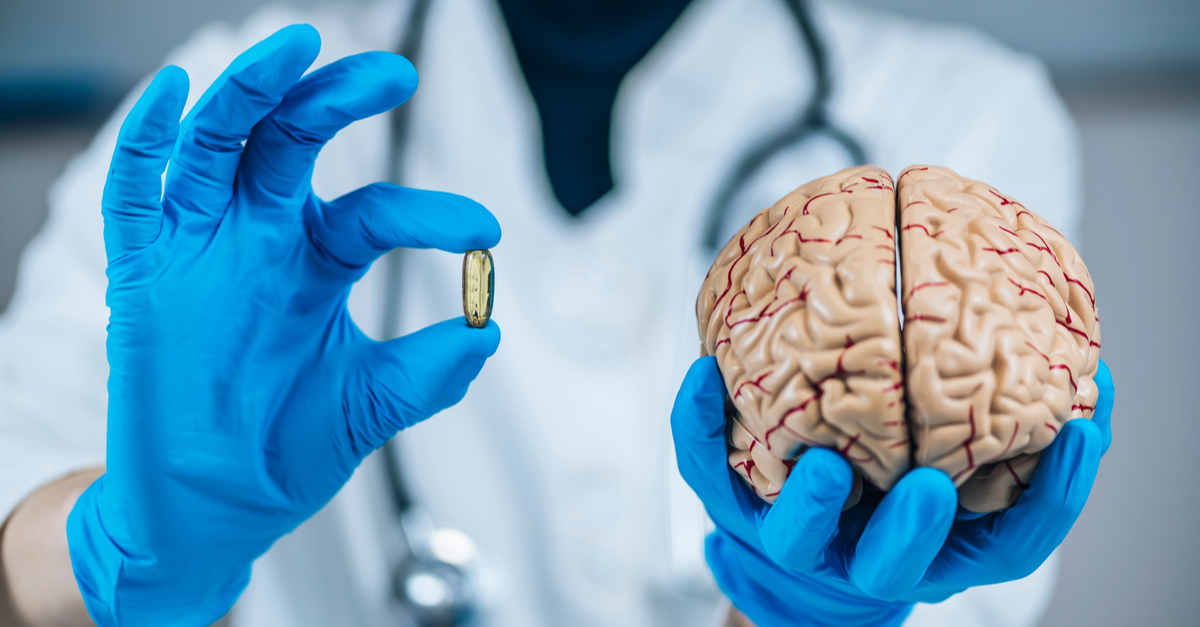
When you’re feeling under the weather, do you swear by a mug of your favorite chicken soup, a binge of a box set, or a long soak in a hot bath to make you feel better?  If so, you’ve harnessed the power of the placebo.

Simply put, a placebo is a treatment without medically recognized properties. Commonly used by pharmaceutical companies during drug trials, placebos have long been the gold standard to ensure an accurate clinical test before a new medication is brought to market. In drug trials, half of the participants receive the new medication and half receive a physically identical but worthless “dummy” pill or saline injection. In a system called “double blind” neither the clinicians nor the participants know who’s receiving what, in order not to influence the outcomes. In this way, researchers can prove (or disprove) that their medication works, and be sure the trial was fair and unbiased.

Beyond the realm of double-blind studies, the placebo effect and response can have powerful implications of their own for healing and therapeutic benefits. The mind is so persuasive that patients can experience strong effects, both positive and negative, while taking a placebo. During the trial for the COVID vaccines, many people reported side effects such as fatigue and headache — even though they had been given a saline injection. On the flip side, some researchers believe the vaccination has been so well tolerated because people need and want it to work so badly. 

The magic of the placebo also comes because people can still experience relief and healing — whether they know they’re receiving the actual medication or not. The placebo effect is a real physio-biological phenomena that arises not just from the taking the dummy pill, but from the social, contextual, and verbal suggestions that are around when it is administered. It may not cure you but it can make you feel better, in part because you feel cared for. Call it a therapeutic sugar pill.

Some may be more receptive and responsive in body and mind to the effects of a placebo than others. Likewise, some conditions seem to respond better to placebos. Research has shown that depression, pain, and chronic insomnia can respond effectively to placebos, sometimes as well as or better than to their “real” pharmacological counterparts. In physical terms, placebos can hasten the release of the body’s natural “feel good” chemicals, lowering heart rate, blood pressure, anxiety, fatigue and pain perception. In psychological terms, patients who believe they will have success with a treatment shift their mindset from pain to relief, a significant and positive boost. Put another way, if a patient thinks and believes that a medication or treatment is going to work, it has a better chance of success. 

An iconic scene in the 1996 movie The Birdcage provides a perfect example. Nathan Lane’s character Albert is overcome with stage fright and begs Hank Azaria’s character, Agador, for a special  “Pirin” tablet. Though Albert thinks he’s popping a tranquilizer, Pirin turns out to be nothing more than garden-variety aspirin with the first two letters scraped off. But does it, along with Agador’s soothing, cure his anxiety? Absolutely.

But saying that placebo power is all in your mind is selling it a bit short. People with diseases that affect the prefrontal cortex (such as Alzheimer’s) often don’t respond to a placebo. Tellingly, MRI scans of patients given a placebo show increased neural activity in this region, the part of the brain responsible for, among other things, behavior, emotions, and the release of the powerful mood-boosting neurotransmitters serotonin, norepinephrine, and dopamine. Changes start in the brain, but they’re really happening, and have a cascading and often transformative effect on the patient’s body. So although the placebo may only be a catalyst, it’s a powerful one.

As Albert experienced, and as new research shows, therapeutic acts literally change the brain’s chemistry. Of course, what constitutes a therapeutic act is highly individual. I may swear that numerous cups of hot tea with lemon shortens my cold. You may find no relief from hot beverages but insist that a spoonful of spicy mustard eases your congestion. Both “treatments” help us feel better, in large part because we believe they will.

However we individually find relief, though, we may be doing so out of a deep-seated evolutionary response. Evolution favors humans with positive expectations. Feeling optimistic about the future, and how you’ll feel in it, helps to reduce anxiety. Alternatively, an expectation that you’ll continue to feel poorly, or that you have no control over your health, only increases stress and accompanying unpleasant physical symptoms. 

Unquestionably, placebos have an important role in helping deliver new, safe and effective drugs. The scientific research studying the placebo effect and response, still in its early stages, may have equally massive implications for helping to treat a variety of conditions. To be sure, conventional medicines and treatments are often the accepted standard for a wide variety of health problems, and there are certainly conditions that won’t ever be cured with positive thoughts and placebos alone. But the next time you need to pop a pill, schedule a surgery, or roll up your sleeve for your COVID jab, expecting the best possible outcome may be a simple, and surprisingly effective, way to increase your success.

By Stefin Kohn, Contributing Writer
GUEST BLOG: The Power of Scent

Scent has the power to transport us. Unlike our other senses, the power of scent is linked directly to our brain’s limbic system, the region responsible for memory and emotion, which is why you can instantly travel back to high school, your grandmother’s garden, or anywhere in the world when you catch a whiff of a familiar fragrance.

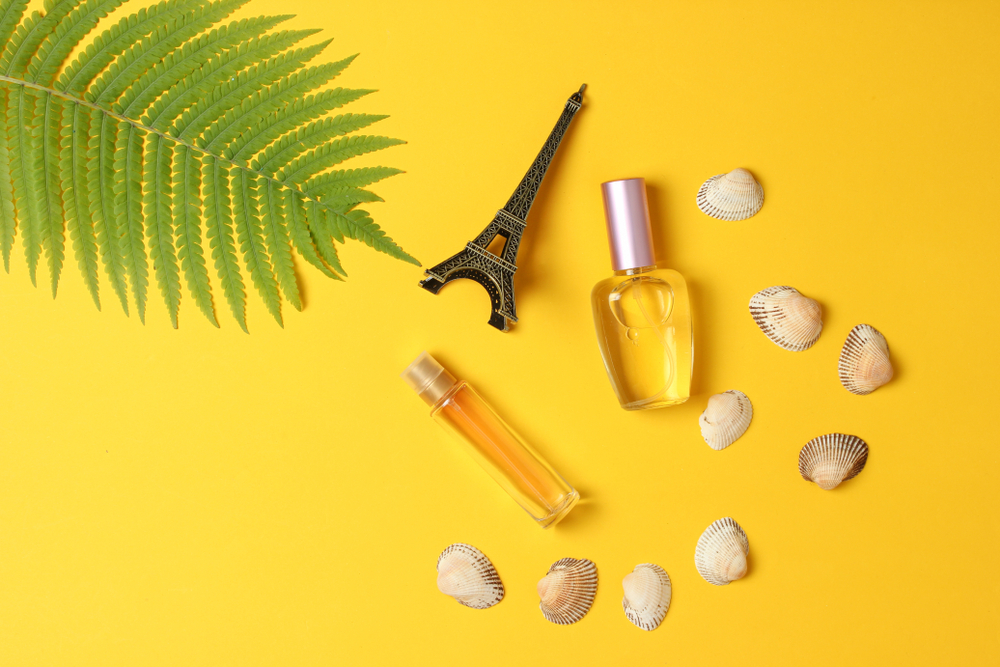
For many years now, I’ve harnessed the ability of scent to enhance making memories, consciously choosing a specific perfume to wear on my travels. Though I rotate between a select few favorites in my “normal” life, traveling provides the perfect opportunity to road test a new scent, and, more importantly, help imprint the memory on my soul in a way that even the best photograph can’t.

At first, I experimented with having one travel perfume that I wore on all occasions away from home. As much as I liked the idea of having a reliable favorite on standby, the imprints became a little fuzzy, as I couldn’t remember which trip the scent was reminding me of. I soon switched to match the scent to the location — wearing Prada in Italy, Dior in France, Burberry in England, for example (a bonus is that many of the big perfume houses have multiple perfumes so you can work your way through them slowly). This is not only an excellent way to honor the host country, and a fun bit of extravagance to help set a suitably “off duty” mood for your wanderings, but also makes remembering choices even easier. (A travel scent journal is something I intend to start to help cement my memories even further.)

Last summer, my family and I escaped pandemic London for a week in Normandy and the Loire Valley in France. I was anxious about our first international trip during a global pandemic though COVID cases were low and the trip was allowed. Both to help comfort me, and represent the areas I would be visiting, I chose YSL Libre, with its top notes of lavender, cosy middle notes of orange blossom, and comforting base notes of warming vanilla. This scent proved perfect — I felt a little more French, and a lot more calm. Back home, with one whiff, I am reminded, not of the panic of pandemic times, but of the healing power of getaways.

There’s no right or wrong way to start making your scent memories, but I enjoy using fragrances I’m unfamiliar with before my trip. Otherwise, I find they come with strings attached. If you ask nicely at most makeup counters, you can walk away with small vials of perfume to help get you started. I find the samples easily last for a week’s vacation, with a little to spare for when you return home.

If you’d rather reference single-note fragrances, Demeter and The Library of Scent have inexpensive “purse sprays” that replicate almost any smell you can think of, quite literally — from Play-Doh to Kitten Fur. The companies offer a wide variety of scents meant to imitate particular foods, drinks, seasons, even destinations, including Ireland, Cuba, and the Great Barrier Reef, among others. If you have been lucky enough to visit these locations, you may find that you agree with these interpretations of the locale. I spritz their Apple Cider spray to remind me of my fall honeymoon in Vermont. Then again, your scent memory of the places you’ve visited may differ wildly from anyone else’s.

In a 2020 article in the Harvard Gazette, “olfactory brander” Dawn Goldworm explained that scent is the only fully-developed sense fetuses have in the womb, and it remains a child’s most vital sense until age 10 when sight takes over. This may explain why scents imprinted in childhood are so important, and lead to a lifelong like or dislike of certain smells that can be hard to override in adulthood. 

During our year-plus of enforced time at home, I’ve never been happier that I have scent memories to help me reminisce and recollect. Through the power of scent, I’ve been transported to more carefree times — reliving walks along a Venetian canal at twilight, a hunt for the city’s best strudel in Vienna, the zesty, citrusy tang and bite of a Moroccan souk — one magical sniff at a time.

Consider:

  • Trying a scented hand cream, body wash, or even hair product. Most come, or can be decanted, into travel sizes;
  • Essential oils — either single notes or ready-made blends– are another option, and you could consider creating your own bespoke combinations;
  • Purchasing a scented product on your travels — the bonus being you have a portable souvenir that you can dip into right away.

Stefin Kohn is an American writer and editor living in London. Her love affair with perfume started with Debbie Gibson’s Electric Youth, circa 1989.