It’s time to Get Grounded

“Be like a tree. Stay grounded. Connect with your roots. Turn over a new leaf. Bend before you break. Enjoy your unique natural beauty. Keep growing.”   -Joanne Raptis

Do you enjoy walking barefoot on the beach or laying out on a grassy meadow? For many, it produces an incomparable sense of calming in the body. Turns out that it really is incomparable and the direct connection to the earth is known as grounding or earthing. Connecting to the ground helps to restore the rhythms of the body to optimal functioning. The earth is negatively charged and the direct connection brings us back into balance, like an antidote against all of the positive charges buzzing around in our busy modern lives.

It is commonly known that appliances need to be grounded to function properly. This means they are connected to a backup pathway for the current to flow into the ground if there is a fault in the wiring system. This electrical grounding protects against overloaded circuits, stabilizes the voltages levels in the appliance, and prevents damage and misfunction.

Like appliances, our bodies function best with regular connections to the ground. The negative charge of the Earth contains electrical charges that have positive effects on the body. Our bodies, after all, operate with electrical circuitry. While being in nature is highly beneficial to our physical and spiritual wellbeing, walking barefoot and sitting or lying on the ground offer the greatest benefits. Swimming in the ocean, lakes, and rivers also fortifies us with this same energy as water is a conductor of electricity. Research continues to be done and we are learning more and more of how this physical connection to the earth is shown to reduce inflammation and support health across a variety of markers including cardiovascular function, muscle and joint comfort, sleep, anxiety, fatigue, weight maintenance, hormone balance, and more.

Native and traditional cultures have always known this, and they revere the connection and the gifts of the Earth. In the book Earthing, author Clinton Ober shares a story from his childhood of a Native American friend’s mom telling him, “Take your shoes off, they make you sick.” For many of us, modern life has greatly interrupted this connection as we walk on concrete often with rubber soled shoes which do not conduct and transmit the electrical charges from the Earth to our bodies.

Even if you are unable to get grounded and be barefoot outside or sit on the ground, you can bring the grounding to you. There are grounding mats available to put your feet on at any time and any place. Grounding sheets are also an option to sleep on and have been shown to be very therapeutic and great for reducing inflammation. These are referred to as grounding mats or earthing sheets and there are many options available with a simple online search.

Grounding is our foundation, our roots; and practicing grounding supports body, mind, and spirit. Well-grounded roots have a greater chance not only to survive, but to thrive.  Sometimes seeds are planted in soil and environments that they are not best suited to and they struggle, they are disconnected from their best source of energy and sustenance. Distraction, difficulty focusing, fight-or-flight, and fear are all indications of being ungrounded. While we can support being grounded in many ways and in particular by establishing strong spiritual roots through regular practice of meditation, yoga, prayer, and walks in nature, literally standing on the ground provides incredible benefits. Barefoot is best as the feet are known to have the highest density of nerve endings in the whole body – up to 1300 per square inch! Grounding is our sense of safety and security, it’s time to get grounded.



Summer Sweet Summer

I love summer so berry much. and I’m feelin’ peachy keen!

Summer is here and that’s the best time to eat local and seasonal as there tends to be plenty of food everywhere.

Remember that from an Ayurvedic perspective, we are always somehow striving to be in balance both with ourselves in context of body, mind, and spirit, and within the greater surrounding environment. Each part of the organism interacts and influences the other in both contexts. This is a continuous process, and the goal is to maintain balance.

Our cells contain circadian programming based on the daily fluctuations of light and seasonal distinctions of the weather and what is locally harvested. For example, in the spring, it tends to be wet, damp, and muddy requiring dry and light foods to balance out the heaviness of the saturated ground and the first sprouts and bitter greens are ready to do the job.

As we are moving into summer, things are drying up and the ground is dry. The air is also warm and we are active for many more hours of the day with the sun setting so late and dawn coming so early. Again, nature provides and we will find just what we need at the local farmers’ markets and on the produce shelves ready to nourish our bodies.

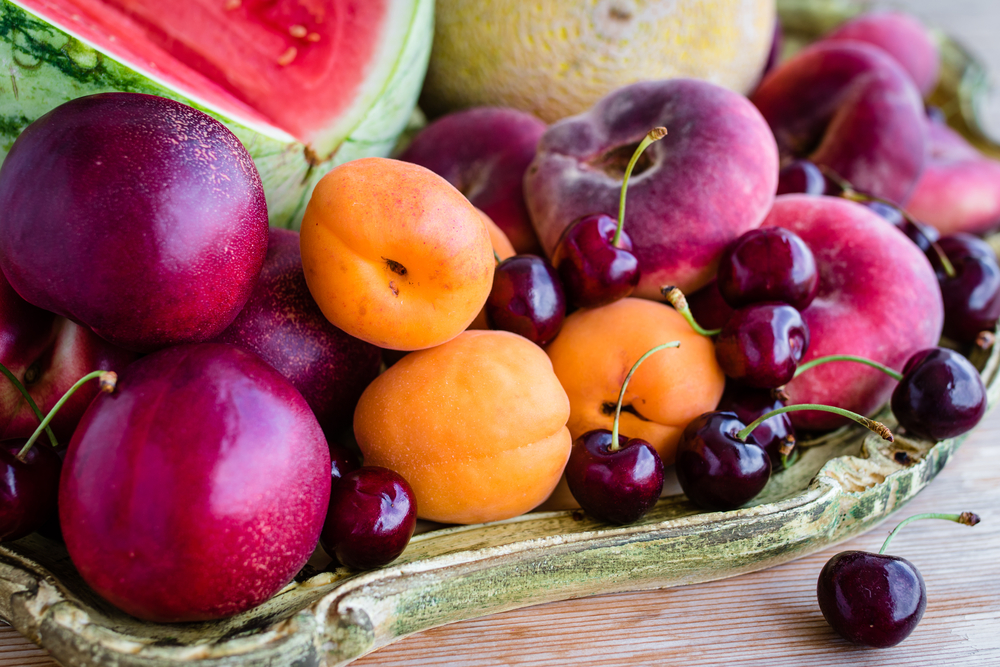
The best part about summer is that it is the season to enjoy sweet berries, melon, and stone fruits so support those active days, rehydrate, and even get some electrolyte replenishment in the heat. An example of this is adding salt and/or chili to melon and other tropical fruit and pairing melon or stone fruit with prosciutto or other cured meats. These fruits are also extra special because it’s such a short season you really have to enjoy them in the moment. Look out for recipes and dishes in local restaurants that celebrate the season.

Sticking with the Ayurveda theme to inform best choices, the best foods of summer will be sweet, cooling, oily, and continue with the bitter and astringent from spring to balance it out. On a hot day you may enjoy a smoothie or a cucumber salad or a gazpacho. In mild or cooler weather and on rainy days, you may prefer something warm or spicy. It’s also very individual and not rigid, and also something interesting consider. Meat and eggs are also less predominant in summer as there is so much bounty from the land, so really check in with yourself about what your body best needs for nourishment.

I will be sharing some summer recipes in the coming weeks so keep an eye out for that and if you are in the Facebook Group, go ahead and post something that you find.
If you aren’t in the Facebook Group, Click Here to Join.

Seasonal Fruit for SUMMER (harvest time will vary from early summer to late summer and early fall and you should notice that there is much more variety during summer than there was in spring):

  • Apples, Apricots, Blueberries, Cantaloupe, Cherries, Dates, Figs, Grapes,Guavas, Mangoes, Melon (all), Nectarines, Papayas, Peaches, Pears, Persimmons, Pineapples, Plums, Pomegranate, Raspberries, Strawberries

Seasonal Vegetables for SUMMER:

  • Alfalfa Sprouts, Arugula (Rocket), Artichokes, Asparagus, Avocados, Basil, Bean Sprouts, Beets, Bell peppers, Bitter Melon, Cabbage, Carrots, Cauliflower, Chicory, Cilantro, Collard Greens, Corn, Dandelion, Eggplant (Aubergine), Endive, Fennel, Green Beans, Jicama, Kale, Lettuce, Mushrooms, Mustard Greens, Okra, Parsley, Peas, Radishes, Seaweed, Snow Peas, Spinach, Squash, Sweet Potatoes, Swiss Chard, Tomatoes, Turnip Greens, Watercress, Zucchini (Courgette)

These are the fruits and vegetables of spring and is not an inclusive list as there are plenty of local varieties from place to place. You may find yourself reducing your consumption of heavy meat or dairy dishes in the summer and leaning to lighter chicken and fish or lentils, chick peas, and other legumes.

Be sure to include healthy fats from avocados, olives, coconut, and almonds, macadamia, and other nuts.

Enjoy the sweetness of the summer and take this as an opportunity to choose something fresh over something packaged. That flyby season of cherries really is a treat like no other!


Simple Summer Mocktails

Enjoy the summer picnics and barbecues without the sugar and the hangovers by making simple mocktails.

Be aware that many mocktail recipes are vaguely “better for you” than the real thing when they are filled with all kinds of sugars and syrups.

Simple and fresh is best. All you really need is herbs, light fruits, herbal and black teas, and some sparkling water. There are plenty of opportunities to get creative and try something new. And an added bonus – the whole family can enjoy them!

EASY MOCKTAILS IDEAS – 

  1. Lime Spritz – Add the fresh juice of 1/2-1 lime to a glass, then fill with sparkling water. (Ice is optional). Enjoy. I used to make this for the family with taco night for a refreshing treat. May be used with lemon also, which will be much tangier!
  2. Iced Tea – Swap out your cuppa for an iced version this summer. This is a real chance to get creative and try some of your favorite teas iced. There are some great fruity teas out there with peach, apple, berries, and more. One of my favorites in summer is iced hibiscus tea – which has the bonus of stress reduction with its anti-cortisol properties. And of course don’t forget the green tea which is very popular in Japan.
  3. Infused Water – Infused water is great, especially in summer, because it prevents bloating, which is the opposite of alcoholic drinks. Simply add a few slices of fruit or vegetable and sprigs of herbs and you will have a nice infusion in as little as a couple of hours. Some of my favorites are:
    • Lemon and rosemary
    • Basil and black peppercorns (This one is especially good to curb cravings.)
    • Cucumber and mint
    • Strawberry and basil
    • Blackberry and ginger
    • Blueberry and orange
    • Watermelon (or other melon) and mint
  4. Mojito Mocktail – many drinks can be made simple into mocktails by eliminating the alcohol and this one is a perfect example. Add the lime and mint to a highball glass and muddle. Add ice and sparkling water. Similar to a lime spritz with the added element of mint!
  5. Blended fruit – Throw your favorite summer fruits in the blender with a splash of juice and some ice end enjoy the refreshing flavors.

Rest and Digest

I love feasts and celebrations and I really enjoy all of the special dishes at various times of year. I confess that sometimes I even take a couple of extra bites because I know it will be a full year until that deliciousness comes around again. It is especially those times that I’m really wanting to have a “little nap” after the meal. I’m sure this is something we can all relate to.

While it’s true that a short walk after eating enhances digestion and and many studies support this, a period of rest and relaxation supports digestion too. There’s really no need to feel guilty for wanting to lie down after a large meal, it’s actually a natural signal from the body communicating its needs. Feeling guilty may actually induce stress and stress really is the enemy here. Read more about what happens to your body and digestion in the post, Stress has a lot to do with it.

Whether you choose a walk or a rest, the main idea is to be in a parasympathetic (relaxed) state as much as possible before, during, and after the meal to allow for optimal digestion. This relaxation state sends messages throughout the body that all is well and gives the green light for cellular functions to be performed most optimally.

It really comes down to eating mindfully and slowing way down. Modern life often urges us to consume meals quickly and move onto the next things. Many of us are out of practice with taking our time and enjoying the experience. Consider the following to expand your eating rituals beyond the basic and sometimes hasty consumption patterns.

  • Have gratitude for the food that will be nourishing your body.
  • Take your time with the meal. Notice what you are eating and how it smells and tastes.
  • Take small bites and chew thoroughly. Chewing is an important part of the digestive process. Food that is adequately chewed is much more gentle on the digestive system.
  • Take a breath in between bites. As you progress through the meal, notice if you have had enough to eat or if you are still hungry.
  • Eliminate distractions, especially anything with the potential to trigger a stress response.
  • Whenever time permits, allow yourself time to rest after a meal. Have a conversation, read a book or magazine, or just lie down for a few minutes before moving into a new activity.

Enjoy your Spring celebrations and enjoy resting this season too. Bring in the power of rest and digest to your digestion and your health.

Important Role of Omega-3s

Our bodies are of such a complex machinery that it’s important to spiral back to various things from time to time to be sure we are getting everything we need and doing everything we can for optimal vitality.

Omega-3’s are “essential” according to the Harvard School of Public Health. The DHA, EPA, and ALA contained in Omega-3 fatty acids support mental and emotional health including depression, anxiety, and ADHD; and studies have related adequate Omega 3 levels to hormone health, joint and muscles comfort, weight regulation, and overall cellular health and inflammatory markers. New studies are being done on the relationship of Omega-3s to sleep. A study at Oxford found that lower DHA levels are related to lower melatonin levels. Melatonin is also related to immunity. I’ll write more about that in an upcoming piece about Circadian Rhythms.

Did you know that the brain is made of 70% fat? If it doesn’t get enough nourishment, it won’t work properly. This can lead to depression, anxiety, memory loss, and more. EPA and DHA are both necessary for brain function. These are the “healthy fats” you may be hearing about as a very important part of the diet. Post-mortem research on Alzheimer’s disease has shown that those who suffered the worst cases had less Omega-3 present in the brain tissue than those studied in the control group.

Omega-3 fatty acids interact with our cellular membranes – all of the trillions of them –  providing important feedback for all systems to function in top shape. Inadequate Omega-3s in the diet will actually disrupt cellular signaling which can trigger fat storage, hormone imbalance, and inflammation.

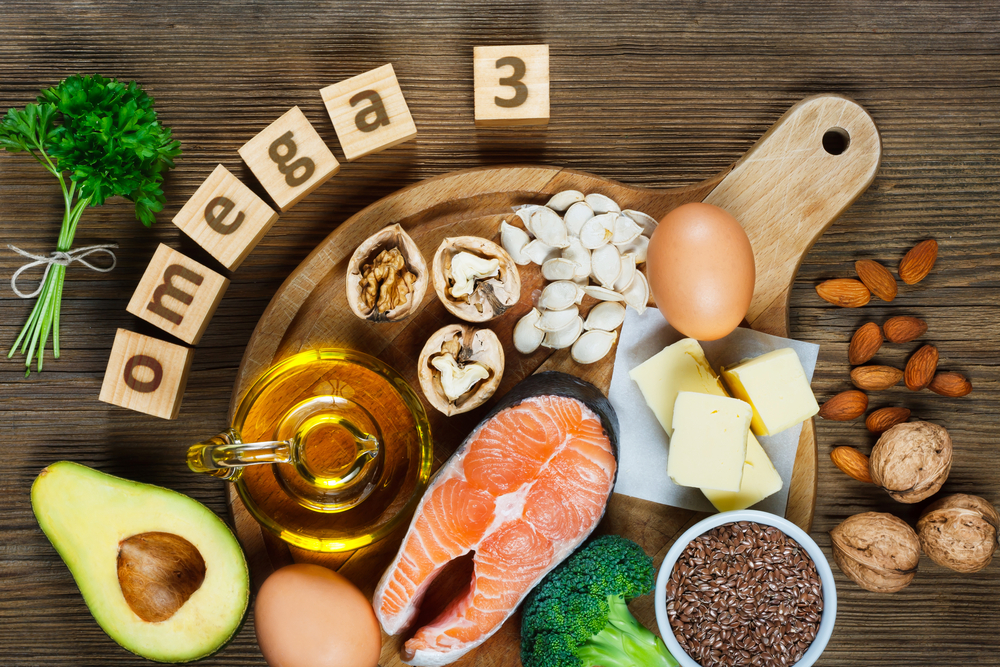
It’s always best to increase Omega-3 fatty acids or any essential nutrition with whole foods. Fatty cold water fish such as salmon, herring , mackerel, and sardines and great sources. Grass fed meat is another source. You may notice a yellowed coloring in the fat of grass fed meat, that’s actually the grass diet being converted into healthy fats. Non-meat based sources include flax oil, flax seeds, hemp seeds, chia seeds, eggs, avocado, and walnuts. Add these to any meal to increase nutritional density.

You may find it easiest to take a supplement like fish oil or cod liver oil. Look for highest quality you can find. Read the label and look for DHA and EPA in the ingredients as well as minimal ingredients for highest purification. Your health care provider may have a recommended brand or I always like to ask at the local health store as they are most familiar with the products they stock.

Rules to live by: The Four Agreements

I believe there are lessons and truths coming from all traditions. The Four Agreements by Don Miguel Ruiz is a spiritual book based on the wisdom of the Toltecs in North America.  I listen to the short audiobook a couple of times per year and each time there is a message that seems to be just for me in that moment, something new to teach me.

What I love about the Four Agreements is that they are meant to apply to only yourself. “It is a way of life where there are no leaders and no followers where you have your own truth and live your own truth.”  There’s no confession, no metric involving others, it’s just you and how you show up in the world each day. It has become a sort of anchor for me when I feel like I’m not totally in alignment with my best self.

That doesn’t mean it’s a free for all and you can do whatever you want; your truth, my truth, and each of our own truths are to be grounded in the framework of the Four Agreements. It also doesn’t mean that it’s easy, but it does allow freedom from the expectations you may be surrounded by in your life. Another aspect that attracts me to the Four Agreements is that they have a way of de-personalizing spirituality in a manner that makes it possible to have a conversation about things that might otherwise be uncomfortable. When my kids were in middle school and high school, we might talk about which one is the most challenging for each of us right now and why. It’s simple, down to earth language that also digs into the root and the essence of more serious issues.

Finally, I have yet to find myself in a challenging situation that doesn’t in some way come back to a misalignment with one of the agreements. With this understanding, life situations can be easier to process and move on without the baggage. At some point, I will dedicate a post to each agreement on its own, but for now (imagine a drumroll because I know you’ve been waiting for it) The Four Agreements:

1 – Have impeccable words. Your words and thoughts matter. Mind what you say out loud, in writing, and even in your thoughts. After all, “in the beginning was the word…” We get to choose each day to use our words to be constructive or destructive.
2 – Don’t take things personally. Most of the time it’s not about you anyway. Let others handle their own energy, and stay focused on your own.
3 – Don’t make assumptions. In any given situation, there are so many variables and aspects that it is quite unlikely that you could possibly know and understand the full picture.
4 – Do your best. Do your best with these rules and in all that you pursue in your life. You will find yourself able to relax with no regrets at the end of each day.

I encourage you to read the book for itself because it contains so much wisdom and is full of treasures that will be received very differently from one to another. By tethering your own life to this simple framework, you will possess the great potential to bring out the best in yourself and those around you.

Breathe in, Breathe Out

“Breath is the finest gift of nature. Be grateful for this wonderful gift.”
                                                                                      -Amit Ray

Breathe in.
Breathe out.
Breathe in and feel your lungs expand.
Breathe out, and feel the air exiting your body.
Breathe in deeply.
Exhale completely.

In less than sixty seconds, those three short breaths set off a cascade of health benefits in your body and mind. Do it for a full two minutes a couple times a day and you’ll wonder why you haven’t known this secret your whole life.

While we can survive for days without food, and hours without water, oxygen is an essential every minute of the day. Intentionally filling our bodies with life giving oxygen and releasing the toxic carbon dioxide throughout the day allows for a continual state of renewal of each and every system of the body.

The restorative practice of deep breathing…

…brings oxygen into the body, increasing energy.

…releases toxins during the exhale, leaving you feeling lighter.

…enhances the respiratory system.

…improves the cardiovascular system when oxygen circulates deeply in the body.

…lowers blood pressure.

…regulates heart rate.

…encourages better posture.

…promotes feelings of calm and relaxation by reducing stress in the central nervous system.

…improves digestion and supports healthy elimination.

…boosts immunity.

…releases muscle tension.

…relieves pain through the release of endorphins.

…improves libido.

…stimulates the lymphatic system.

…encourages better posture.

…increases focus and learning.

…allows clarity of thought and concentration.

…sparks creativity.

…relieves feelings of anxiety, depression, worry, anger, fear, and other negative thought patterns.

…improves mood.

…supports youthfulness.

Slow down and breathe to get on the fast track to your own optimal health.

Feelings come and go like clouds in a windy sky. Conscious breathing is my anchor.
-thich nhat hanh

Recommended reading list – so many great books!

Long and lazier days of summer make it perfect for lots of reading. In addition to those fun beach reads, I like to include some books to learn more about living my best life. Speaking of which, I’ll be going offline for a couple weeks and I’m looking forward to being present and in the moment without the distractions of devices and that includes diving into some good reads.

I’ve done a lot of reading in the last few years about all kinds of health and wellness and mindfulness topics, in the end, they tend to have a lot in common and come to similar conclusions. We each just get there via our own unique routes.

All of us experience personal and unique situations and are surrounded by loved ones who too face a variety of realities. I’ve sorted this list to be able to hone in on whatever topic will be most useful case by case. I have read most of these books, in occasional situation that  I haven’t read the book, I have heard the author speak at a conference. And of course there are others that could be included in this list, but these are the ones that I have had the pleasure of reading and learning from. Each one has changed me for the better in some way or another.

While I had hoped to annotate this list and provide some explanations, it became too long to describe each one and descriptions are readily available online. I wouldn’t be surprised at all if you have heard of many of them and you might see one that you’ve been thinking of checking out. The titles with asterisks next to them have been particularly influential for me personally and I refer to them often.

It’s an complete and diverse list, I know. Not sure where to start? Close you eyes, take a couple of deep breaths, and then have a look and see which title you are most drawn to. Don’t second guess yourself and trust your intuition.

I have referred to all of these as “books”, but truth be told, I listen to many them in the audiobook version. I love listening to a book while going for a walk or taking care of ordinary household tasks. I was skeptical of listening at first because I love holding a book in my hand. It actually turned out to be one of those win-win situations because now I don’t have to choose each day between going for a walk and reading a book, I can do both simultaneously and I love it! In the case of many non-fiction books, for me it feels like I am listening to a speaker at a workshop and sometimes makes challenging information even easier to understand than it were reading it.

As for me, I am reading A New Earth by Eckhart Tolle and rereading You Are the Placebo by Dr. Joe Dispenza this summer. One book I’m reading together with a mindfulness book club and one of them I’m reading together with a couple friends who are in the process of recovering from cancer treatments. Consider finding a friend, or a family member or a group and read a book together. My hope is that this list will be a useful reference all year long when needing to learn and have a greater understanding about life in a variety of contexts.

Whether you are taking a big trip or staying local enjoying the pleasures of the season, have a wonderful summer and read a book to learn something new!

Mindfulness, Spirituality, and Healing
A New Earth by Eckhart Tolle
The Four Agreements by Don Miguel Ruiz *
You are the Placebo by Dr. Joe Dispenza
Chakras for Beginners: A guide to balancing your chakra energies by David Pond
Return to Love by Marianne Williamson
Expectation Hangover by Christine Hassler
You Can Heal Your Life by Louise Hay

Mindset
Better than Before by Gretchen Rubin *
Essentialism by Greg McKeown
The Power of Habit by Charles Duhigg
Drive by Daniel H. Pink
Antifragile by Nassim Taleb

Lifestyle
The Primal Blueprint by Mark Sisson *
Light Out: Sleep, Sugar, and Survival by T.S. Wiley
Why We Sleep by Matthew Walker
Play: How it shapes the brain, opens the imagination, and invigorates the soul by Stuart Brown and Christopher Vaughan *

Understanding our food supply and dietary choices
The Big Fat Surprise by Nina Teicholz **
Why We Get Fat by Gary Taubes
The Dorito Effect by Mark Schatzker
Salt, Sugar, Fat by Michael Moss
Wired to Eat by Robb Wolf

Mental Health
Grain Brain, by Dr. David Perlmutter
Anatomy of an Epidemic by Robert Whitaker *
Change Your Brain, Change your Life, by Dr. Daniel Amen
ADHD Nation by Alan Swartz
Mad in America by Robert Whittaker

Cancer
Radical Remission by Dr. Kelly Turner
The Metabolic Approach to Cancer by Dr. Nasha Winters
Deep Nutrition by Dr. Catherine Shanahan *

Women
Women’s Bodies, Women’s Wisdom by Christiane Northrup
21-Day Hormone Reset Diet by Sara Gottfried
A Mind of Your Own by Kelly Brogan

Autoimmune Disorders
The Autoimmune Solution by Amy Myers
The Wahls Protocol by Dr. Terry Wahl

GI Issues
Wheat Belly by Dr. William Davis

Fasting
The Science and Fine Arts of Fasting by Herbert M. Shelton *
The Obesity Code by Dr. Jason Fung

Memoirs
Becoming by Michelle Obama
The Salt Path by Raynor Winn

Creativity
The Artist’s Way by Julia Cameron
The War of Art by Steven Pressfield
Big Magic by Elizabeth Gilbert

For Fun
Around the World in Six Glasses by Tom Standage
Consider the Fork by Bee Wilson
A Curious History of Food and Drink by Ian Crofton
Salt: A World History by Mark Kulansky

5 Steps to Boost your Immunity NOW!

***This post was originally published in February 2020 a few weeks before the global lockdown. We know a lot more now about immunity and wellness and the importance of taking care of ourselves. Even as we are increasingly vaccinated, you will always get a good ROI when it comes to supporting your health and wellness..***

Even without the global threat of the coronavirus, it’s that time of year that we want to fortify our immune systems and get through the final weeks of winter.

Assuming the obvious vigilance in hand washing and hygiene, here are the other basics that are important to attend to for a robust immune system. You’re probably already doing most of them already and the added confidence will provide an even greater boost!

1 – SLEEP really is the best medicine. We are exposed to all kinds of threats every day and our bodies are equipped for survival. While it may seem like a passive strategy, healthy sleep patterns and periods of deep restorative sleep are the best defense. Wired within our cellular structure, biochemical processes and circadian rhythms are programmed to get to work when the sun goes down so that we will wake up fresh when the sun comes up again the next day. Sleep really is worth prioritizing. Whatever you need or want to be doing, it won’t happen at all when you are sick, so be sure to get your zzz’s every night.

2 – EAT your Vitamins! Fill your plate with immune boosting foods full of vitamins and antioxidants. Fresh, local, organic produce is always best. Foods high in antioxidants and full of nutrition include: oranges, grapefruit, blueberries, spinach, sweet potatoes, turmeric, garlic, beets, bell peppers, broccoli, ginger, sunflower seeds, almonds, yogurt, poultry, chicken broth, and shellfish.

AVOID foods with refined sugars and alcohol when possible as they share metabolic pathways with important vitamins like vitamin C.

3 – MOVE your body. It’s not necessary to do intense workouts or rigorous sprints; however, moving is important in terms of immunity because it stimulates circulation and the lymphatic system. The lymphatic system is an important part of the body’s immune system and has a large role in eliminating waste from the body. Lack of movement can cause the lymph to stagnate increasing the risk of infection. Brief sessions of full body stretching, short walks, taking the stairs, dancing to your favorite song, find something fun to incorporate movement into your day.

4 – REDUCE STRESS. It’s easier said than done, but stress is real and plays a massive role in immunity. When under stress, cortisol is released and important body functions cease to operate in order to direct more energy to manage the stressful event. Our immune response is reduced when under stress and is recovered once stress is controlled and managed. One simple way to reduce the body’s stress response is the stop and take deep breaths for a period of just 2 minutes. This short period of focusing on breathing will being the body back to a point of calm. Other stress reducing activities include a journaling, a chat with a friend, yoga, meditation, listening to music, a cup of chamomile tea, a walk in nature, or even a nap.

5 – LAUGH OUT LOUD! Really, do it, don’t just say LOL. Joy and laughter flood the body with the powerful hormone oxytocin boosting immunity through a sense of safety, security, and contentment. Even Greek tragedies and Shakespeare plays include a jester to provide comic relief to the story lest we wither too far into despair and sadness. It’s no different in our own lives despite the challenges and situations that we are dealing with. Go out and watch the latest comedy film, tell jokes, dress up in silly costumes, figure out what makes you laugh and include that in your weekly routine.

(originally published February 2020)

“Good for you” Pancakes

Are you getting excited about Pancake Day? I didn’t even grow up with Pancake Tuesday, but my husband did and we carried on the tradition with out kids. I especially appreciate it because it’s something to look forward to in February, and we could all use that.

Not everyone needs gluten-free and dairy-free meals, but if you are dealing with inflammation, it’s a good idea to eliminate things in your diet that are known to be inflammatory like sugar, gluten, grains, processed foods, and dairy.

As with most recipes that eliminate grains, it takes trying out a few versions to figure what works best for you in your kitchen.

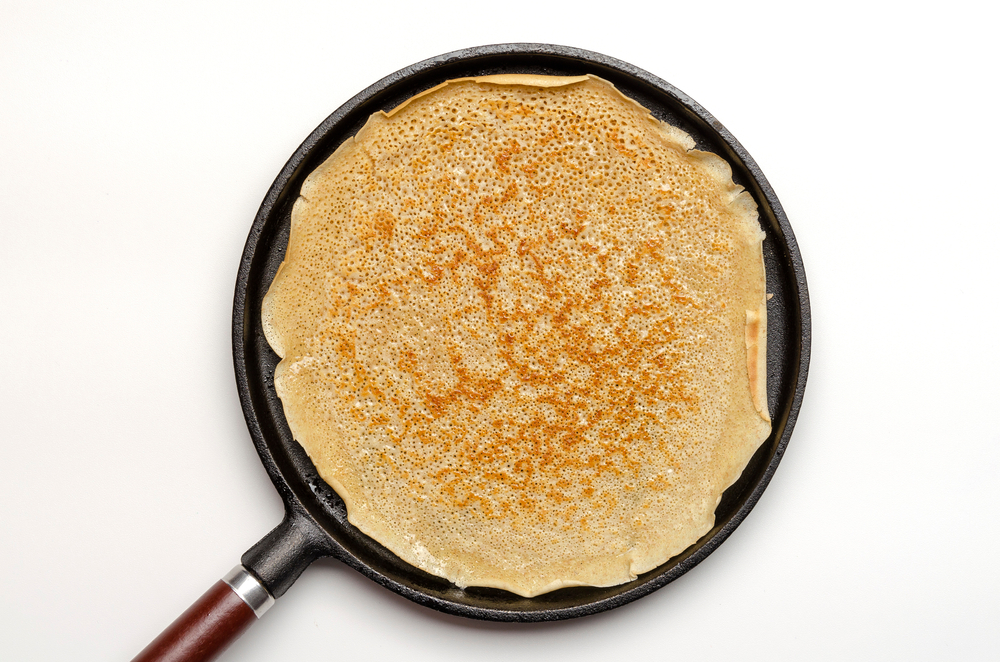
This version tastes like regular crêpes (or pancakes) with ordinary flour. The first time I made them no one even noticed they were gluten and grain-free.

You can choose make them dairy-free with coconut milk, or opt for regular milk, depending on how you and your family tolerates dairy. Have fun with the fillings. We usually make a nice spread with tomatoes, mushrooms, spinach, nitrate-free ham, and cheese and everyone can make their own to their preferences. Be sure to make enough for dessert and fill them with fruit, honey, nuts, and chocolate too!

Gluten-Free Crêpes (Pancakes) Recipe
(Double or triple the recipe as needed. This is the basic recipe and the yield will depend on the size of the pan you are using.)
2 T. coconut flour
2 T. tapioca flour
1/4 t. sea salt
3/4 c. full fat coconut milk OR regular full-fat milk
4 eggs
butter, coconut oil or ghee for preparing

Directions:
1. Sift all the dry ingredients into a bowl to combine.
2. Mix eggs and milk until they are combined.
3. Whisk the wet ingredients into the dry ingredients until well blended and smooth.
4. Melt fat into pre-heated pan and ladle the batter into the pan and tilt the pan around until the surface is covered.
5. Cook for 1-3 min and then flip. When you notice the edges started to be cooked you’ll know it’s about ready to flip.
6. When it’s finished, place it on a place.
7. Continue to make the crêpes until you have used all the batter.
8. Make with favorite fillings and enjoy.

***I like to make these ahead of time when possible. I have a couple of skillets on the stove to warm them up with the fillings. ***

How did it go? I love to see photos of your creations!