Stress has a lot to do with it

I would guess that whatever physical or emotional challenges you may be dealing with, stress has a lot to do with it. We hear a lot about stress and that it’s “bad”. But just being told to reduce stress isn’t always very meaningful unless we understand why it’s important. It kind of tends to be this thing happening in isolation when in fact it’s integrated into every part of our cell tissues and system functions.

To continue with the example from last week and daily vitamins and thinking of the body as a car or vehicle, when driven on a smooth open road, all is well and the vehicle can easily accelerate on its way. When there is heavy traffic, when the paved road ends and it becomes a dirt road, or when we go way to fast, conditions are suddenly very different and adjustments must be made. There is stress, the road is no longer open and smooth. If no adjustments are made, the vehicle is at great risk and the vehicle may not survive long. One of the big problems with stress is that we resist or deny it in a futile attempt to carry on without making adjustments. Since this is not sustainable, it becomes inevitable that it would result in some sort of physical or emotional crisis which will vary greatly from person to person and may include weight gain, depression, anxiety, fatigue, poor sleep, uncomfortable digestion, joint & muscle pain, irritability, lack of focus and concentration, just to name a few.

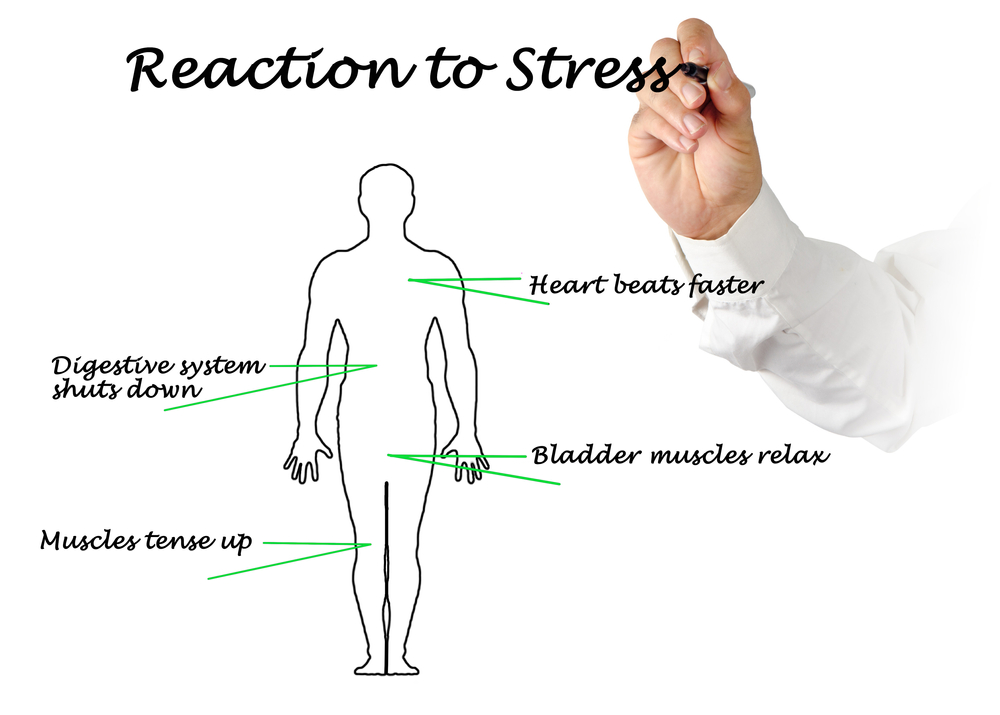
Let’s have a look at what’s happening when we are under stress. Ultimately we have a built in stress response that is meant to protect us, most animals have this. When you are in real danger to your life, you must flee and find safety, that is the only thing that matters. Once the threat has passed, life is meant to carry on peacefully. You may have experienced this in an urgent emergency situation when you seem to have super human strength and are able to manage an extraordinary amount of disruption, you are able to continue with little sleep and little food, those don’t matter, only resolving the crisis matters. In this case, stress is helpful. Stress is also helpful to urge us along with deadlines because failure to meet deadlines has consequences.

When the body enters the stressful state, the digestion process stops! Yes, pretty much the whole thing from saliva release in anticipation of eating to excretion once nutrition has been absorbed. Think about it, if you are running from a predator, it’s not very handy to have to make a bathroom break along the way. ALL of the energy in the body is directed to getting to safety.  The amygdala in the brain is enlarged to maintain the state of fight, flight, or fright. This is why many people don’t have an appetite in a crisis and when they do eat they may not feel well because the body isn’t able to process and digest the food, so it just sits in the gut.

Sleep is disrupted for the same reason. When there is a threat, one must remain on high alert to survive. Eventually sleep will be necessary, but the body and its intelligence comes equipped with reserves for such situation, like an extra can of fuel in the trunk of the car, or a generator available during a power outage. The adrenal response also includes increased heart rate and blood flow to muscles accelerates to enable fast movement and response.

The problem is that many of us remain in a state of stress far too long and far too often. Many animals will often take a nap, graze, or even play upon being out of danger. Some animals shake and ruffle themselves after a stressful incident. This is releasing any leftover tension to be able to return into a state of calm. There is a period of transition back to an unstressed state signaling digestion to get turned on again and all other systems to down-regulate and recover. Often instead of honoring this need to ease back up to speed, we go for a coffee and attempt to carry on. But now the machine has been on a bumpy road and the wheels are out of alignment and low in air. If we carry on without appropriate care and maintenance, further damage will likely occur and we may end up on a detour because it’s hard to move forward in a straight path with the alignment off.

Can you see how this all works? When you don’t take action to manage the stress in your life, your body remains in a biological survival mode. Your brain is “tired and wired”, and you can’t stop thinking about your problems. You may eat meals, but with the digestive system even partially offline, you will likely experience heartburn, constipation, and weight gain. This is all because the stress center of your brain is still activated and as long as it’s activated, everything else is shut down.

It’s not so much about avoiding stress, but managing it. Acknowledge when you experience a stressful situation and allow yourself the space to recover and realign with your purpose and path. It will be different for each of us. Consider what works for you which may be a walk in nature, a bath, prayer or meditation, a shower, dancing to loud music, journaling, or talking with a trusted friend for family member. Try practicing regularly so that when life gets intense you will have something already in place to support you.

(Originally published February 2021)
Daily multi-vitamins for mental health

This was originally published in February 2021 and the topic remains relevant as we enter another winter season with the virus still swirling around in our communities and travel increasing back to 65% of pre-pandemic levels in recent reports. Our lives have changed and it’s more important than ever to pay attention to immunity.

Throughout the year, our habits and routines have shifted drastically and we are likely settling into our own new normals. As we consider what no longer serves us in our lives, we ought to also consider what we are doing to improve our level of health and wellness. Vitamins C and D have been very popular topics of conversation this year and have been shown to support our immune system when exposed to the novel coronavirus. But what about a daily multi-vitamin? The answer is yes, you should be taking one and I’m here to tell you more about it.

Daily vitamins are a concentration of micro-nutrients. We tend to hear a lot about the macro-nutrients: fat, protein, and carbohydrates; but what about the essential vitamins and minerals? Our bodies are continually using these nutrients to function and need to be restored. There was a time when we could get much nutrition from the locally available food, but over-farming has depleted minerals in the soil and for the past 150 years, fruits and vegetables have been modified and bred to increase the size and sugar content so as to increase profit to sellers at the expense of the nutritional content.

It is well known that stress depletes important resources in the body including iron, magnesium, and vitamin C. When under excess stress, we often feel drained because we are using up more nutritional reserves than usual and not replacing them. The body is a complex machine like a car and runs most efficiently with a full tank of fuel and and the oil and fluids topped up and replaced as needed. When reserves are running low, it will continue to run, but much less optimally and with more effort.

Micro-nutrients are especially important for mental health. Studies have shown that in communities that have experienced a traumatic event such as a destructive earthquake or flood, those who supplemented with daily vitamins – or micronutrients – suffered less depression, anxiety, and other mental, behavioral and and emotional related challenges. It is fair to say that we have all experienced stress and traumatic events in the last year and the continued uncertainty remains stressful,

Keep it simple. Find a good bio-available multi-vitamin and commit to taking it every day. Consider adding in an omega-3 or fish oil supplement as well. The local health foods shop is a great place to start. I always suggest getting to know the resources in your own community as they tend to be a wealth of information. Bio-available simply means that the vitamins are coming from real sources and are not synthetically made. We will ALWAYS get better results from being fueled from natural sources that processed sources. Synthetic vitamins are kind of like using the wrong octane fuel in your car.

Finally, it takes some time for the benefits of taking a daily vitamin to integrate into your system, and some of the changes may be very subtle. Try adding it to your daily routine and stick with it for a while assessing the results.


Elevate your Plate with Fresh Herbs

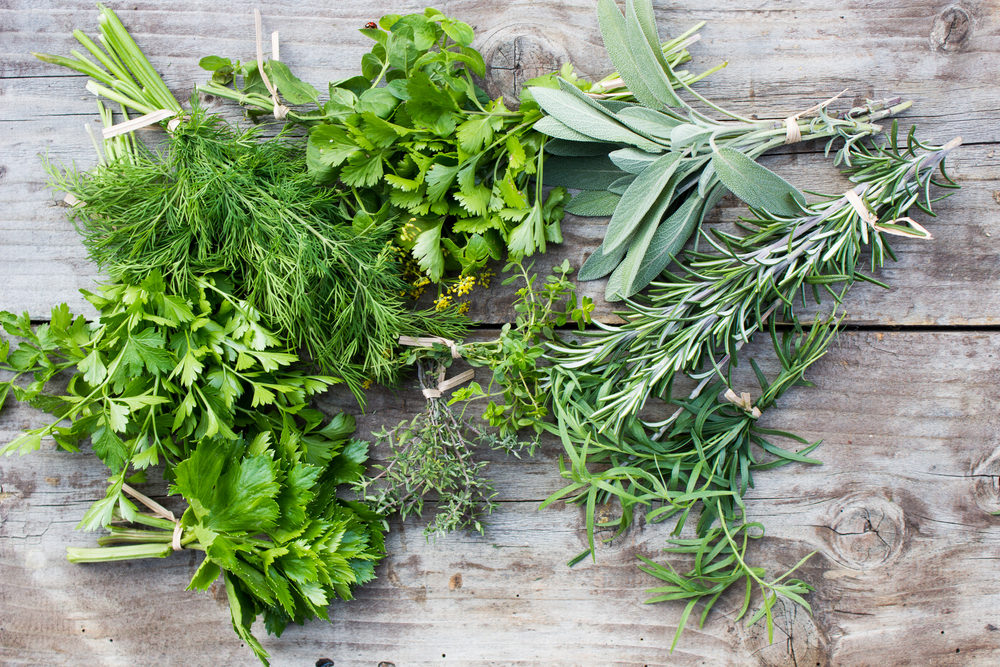
Fresh herbs are the simplest way to enhance any dish in look, flavor, and nutrition and impress your friends too. For as little as a few cents, you can sprinkle some fresh herbal goodness on just about anything. Some dishes like salsa or tabbouleh have herbs as a main ingredient. Fresh herbs are the best:

  1. The plate looks more appetizing – All our senses come into play when we eat and when we think something looks good, it’s more likely to taste good too! Chefs know this and garnish any dish with something as small as a single leaf.
  2. The taste bursts with freshness – Garnishes are often listed as optional in many recipes. Whenever possible, don’t skip these important ingredients. Adding fresh herbs to soups, salads, appetizers, main dishes, and even desserts elevates the flavor complexity and freshness. Experiment with the herbs you like best and how they mix together.
  3. They add to the enticing aroma that kicks off the digestion process – Imagine an Italian Ragu without the oregano, salsa without the cilantro, or a borscht without the dill? Aromatic compounds in the herbs also support emotional wellness in a variety of ways.
  4. Fresh herbs are packed with nutrition – This is almost something we sense at a cellular level. Fresh herbs are more than decoration and flavor, they are nutritionally dense as well. The intense flavors come from important plant compounds that provide nourishment and medicinal properties too.

See the list below for nutritional highlights of common herbs and add some to your next shop:

  • Basil is packed with vitamins C and K, zinc, calcium, magnesium, and potassium. Benefits of eating fresh basil include antioxidant and anti-inflammatory properties alongside the beneficial vitamins and nutrients. In addition, basil essential oil can be used topically to heal minor skin afflictions. Basil is most commonly used in Italian and Thai dishes.
  • Cilantro (fresh coriander) also contains high amounts of vitamins A, C, and K and helps with lowering blood sugar, is antimicrobial, and has been shown to provide protection from foodborne illness. Essential ingredient in Mexican and Indian dishes.
  • Dill is full of calcium and vitamin A. It is often used in Russian, Scandinavian, German, and Mediterranean cuisines. Vitamin A is good for immunity and vision. Calcium is essential for healthy bones.
  • Marjoram supports hormonal health and anxiety relief. It contains folate, vitamins A and K, and is high in magnesium and potassium. Potassium is an electrolyte which hydrates and balances the body. Marjoram goes very well with egg, cheese, or tomato dishes and can be sprinkled on soups and salads.
  • Mint supports digestion and has antibacterial properties. Mint is often used in mediterranean salads and lamb dishes. You can also make a fresh mint tea or add to fruity desserts.
  • Oregano has antioxidants, fiber, vitamin K, manganese, iron, vitamin E, tryptophan, calcium and has antibacterial properties. Used in a variety of dishes, it is also found in medicinal herbal tea blends.
  • Parsley contains plenty of vitamins A, C, and K. It also has a good amount of folate, an important vitamin for heart health. Vitamins A and C provide antioxidant properties while vitamin K supports bone health. Parsley can be sprinkled on pretty much anything, especially egg and poultry dishes. It contains some of the highest nutrition density of common herbs.
  • Rosemary is high in manganese which provides anti-inflammatory benefits and supports metabolism amongst others. The aroma is also known to support memory. Rosemary works well with root vegetables and roasted meat dishes. A simple tea may provide headache relief and boost memory. Ancient scholars are said to have studied with a stem of rosemary tucked behind the ear.
  • Sage contains vitamins A, C and K like most other fresh herbs. It is also high in antioxidants, has antimicrobial effects, and supports hormone balance.
  • Tarragon has manganese, iron, and potassium. It can help to regulate insulin sensitivity. It also has vitamin B6 and folate. It is most often used in fish and poultry dishes.
  • Thyme contains vitamins C and A, copper, fiber, iron, and manganese. Fresh thyme can be used in cooking meat, poultry, and white fish, and works wonders in a soup or stew.


Drink your water and energize your cells!

“Drinking water is like washing out your insides. The water will cleanse the system, fill you up, decrease your caloric load and improve the function of all your tissues.” -Kevin R. Stone

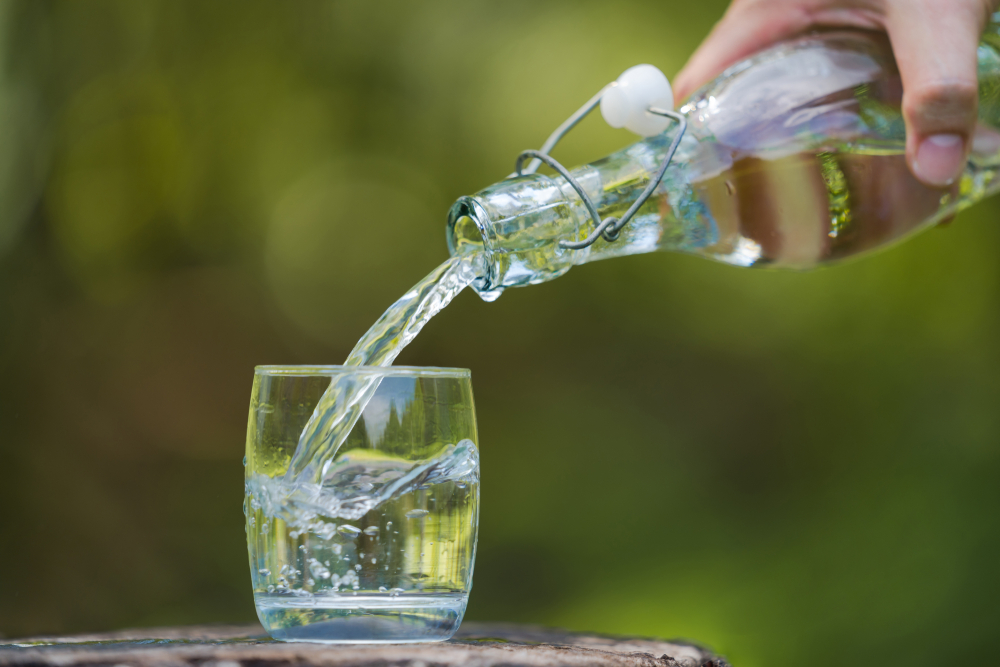
The human body is made of 70% water. For the cells and systems to function optimally and have sufficient energy throughout the day, it’s important to be well hydrated. The water actually acts as a conductor for the messages sent through the central nervous system – i.e. important brain activity, muscle coordination, hormone receptors and important stuff like that. Water is also responsible for lubricating connective tissue and fascia which gets sticks together and forms something called adhesions which are like knots that cause pain and discomfort.Imagine a strong flowing river and when water levels falls, it becomes less robust and the surrounding areas no longer flourish. The same thing is true in the body and keeping track of water intake is one of the best things you can do for your body, mind, and spirit.

Signs that you may benefit from better hydration include:

  • fatigue and sluggishness
  • headache
  • lightheaded or dizziness
  • brain fog
  • sugar cravings
  • accumulation of cellulite,
  • dark, strong smelling urine
  • needing to urinate very little throughout the day
  • muscle cramps*
  • heart palpitations *

*May also indicate electrolyte imbalance.

It is generally recommended that you drink half of your body weight (in pounds) in ounces of water. Here is a simple breakdown of what that looks like in both pounds and kg and ounces and liters:

125 pounds/57 kg –>63 oz./1.85 liters
140 pounds/63.6 kg –>70 oz./2.1 liters
180 pounds/81.9 kg –>90 oz./2.7 liters

This is just a framework to get started. Let’s not focus too much on specifics. For most people around 2-2.5 liters per day will get you towards that sweet spot.

Interestingly, more isn’t always better and hydration isn’t simply about more liquid or water in the system. The blood and circulatory system work to maintain a balance of water and salt. Higher concentration of sodium in the bloodstream will trigger thirst to bring the ratio back into balance. Conversely, if you noticing that you are peeing a lot as you aim for optimal hydration, your water intake may be diluting the balance too much and actually flushing away important nutrients. Salt in itself is worthy of its own article, and despite the bad press it gets, its super important to understand that it’s also essential to life and an important part of maintaining adequate hydration. It’s true that too much salt will leave you feeling bloating, but it’s actually helpful to retain some water so that the cells stay nice and hydrated. Try adding a pinch of sea salt or pink salt to a glass of water from time to time throughout the day, especially on a hot day or after a draining workout. I have found that the salt improves my energy level and focus at any time of day. Read Eating a Banana Helps: Electrolytes are Essential to understand more about electrolytes in tandem with hydration.

Not all water is equal. Environmental considerations aside for the moment, let’s look a little closer at water. Mineral water, spring water, and filtered water are the best choices. And of course, a water cooler or a good reverse osmosis filter are solid options to reduce the use of bottles. Mineral and spring water contain varying amounts of beneficial minerals. In many places in Europe it’s common for people to drink mineral water (sparkling or still) and a lot of people even have a favourite. Some sparkling waters contain plenty of sodium like Vichy in Catalonia, Spain and Topo Chico in Mexico. Evian is high in calcium, hence the milky taste that it’s known for and San Pellegrino is packed with magnesium. Fiji is highest in silica making a good option for detox. Mountain Valley and Acqua Panna are also popular options.

Most countries have their own local varieties of spring or mineral water, so do a little research to learn about the best options in your area and be sure to recycle the bottles. The hotter the climate, the more sodium will need to be replenished because of what is lost sweating. And an extra bonus, high sodium content in the water also supports digestion. The water that you prefer may also vary during different times of the year depending on the climate and your health and fitness goals at the time.

Take some time this week to assess your water consumption habits and make some adjustments as needed. Do some experimenting and try adding a pinch of salt to your water or try out a new sparkling water on your night out. At first you may be running to the toilet often, but as your body regulates and gets used to better hydration, I promise that is temporary.

Fermented Foods Help You Flourish

“Squeamish stomachs cannot eat without pickles.” Benjamin Franklin

There’s a reason we say trust your gut. It’s home to trillions of healthy bacteria, which play a key role in helping you absorb essential vitamins, keep your immune system in tip-top shape, stay regular, and contribute to good mental health. Keeping these friendly helpers in balance may sometimes be a struggle, as Benjamin Franklin well knew, but regularly enjoying fermented foods and beverages can help bring them back into alignment and keep your systems humming with vitality. 

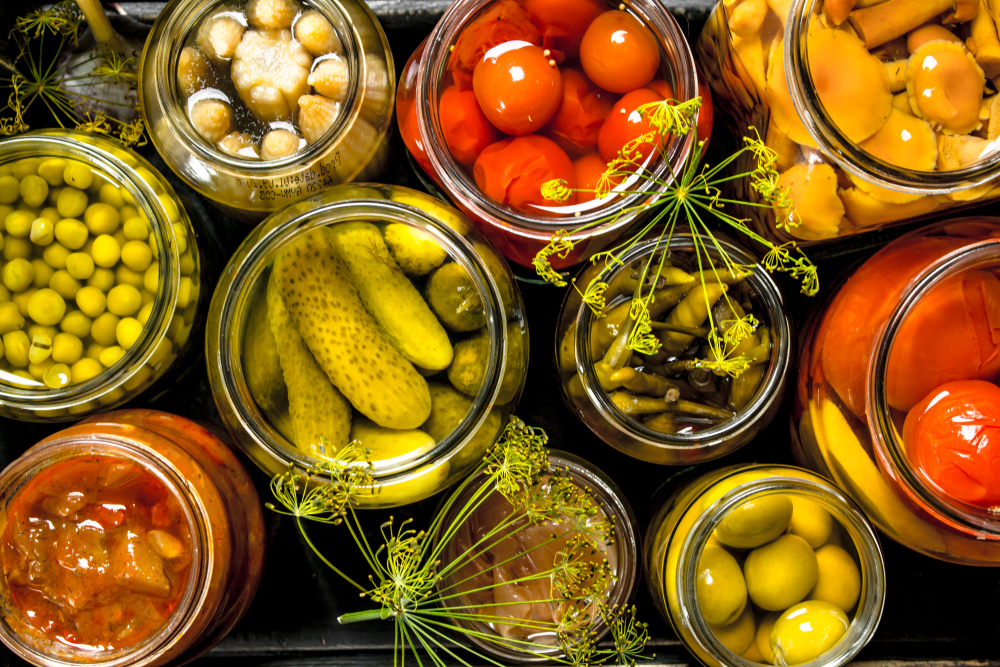
Fermentation harnesses naturally occurring and helpful (“good”) bacteria and yeast to turn sugars and starches into alcohols and acids which helps make food more nutritious and preserve it. Thus, raw cabbage becomes kimchi or sauerkraut, cucumbers become pickles, milk becomes yogurt, and tea becomes kombucha to name but a very few.

Though these foods have gained popularity in recent years and are readily available in many grocery stores, the summer is an ideal time to try your hand at making your own. Sauerkraut, kimchi, and fermented pickles and salsa are not difficult, don’t require a lot of special equipment, and are a wonderful way to use up nature’s bounty of fresh summer veg.

Sauerkraut can be an ideal place for the beginning fermenter to start since it requires little more than cabbage, salt, and time. Though many recipes make enough to keep you in ‘kraut for many months, you may want to start with a smaller batch like this one from Emma Christensen. That’s probably not enough for my household, though, given that my husband and I bonded early on in our relationship over a shared love of sauerkraut, my daughter got top marks in a Fifth Grade science project for comparing batches made with purple and white cabbage, and I’ve even been known to sneak it into a cake!

Once you’ve mastered sauerkraut, take your skills up a notch with kimchi, the hot and spicy Korean fermented cabbage. It features prominently in Korean dishes such as tofu stew, dumplings and pancakes, but is equally delicious eaten as an accompaniment to almost any meal from scrambled eggs to spaghetti. Kimchi, like this easy version created by Emily Han, usually refers to a recipe made with Napa cabbage, but there are as many varieties of kimchi as there are people who eat it. Personalize your own batches to find one you love best, and/or to use what’s in your fridge at the moment. 

Moving on from cabbage, fermented pickles vary from the standard variety more commonly found in grocery stores as they rely on naturally occurring bacteria instead of brine to transform and preserve them. Think beyond traditional pickled cucumbers to include cauliflower, carrots, peppers, jicama, fennel, parsnips, turnips, onions, green beans … whatever catches your eye at the farmers market this weekend. This recipe for mixed pickles from The Kitchn makes a half-gallon size batch.

My son and I experimented with fermented salsa earlier this year during the home schooling days of lockdown. Like the other recipes mentioned here, the salsa can be made in a simple glass jar and only needs a few days to develop. Kristin Marr’s recipe makes a fresh and tangy condiment that’s much more robust and flavorful than anything you’ve dipped a chip in before. Summer tomatoes are already one of life’s truest pleasures, and this salsa enhances their seasonal glory.

Whichever ferment you chose to tackle, it’s likely you already have most of the supplies you need: Glass jars with lids, a cutting board (wooden is my choice), a sharp knife, non-iodized kosher salt, and filtered water. The produce you chose is down to personal preference. I use the freshest veg I can find — so much the better if it’s organic and/or homegrown. Fermentation will enhance excellent produce, but even its magic cannot make sub-par vegetables sing, so don’t use anything with obvious mold or mushy spots.  

I prefer using glass canning jars, but I’ve also been known to repurpose a condiment jar. When my daughter made two massive batches of sauerkraut for her science project, we invested in gallon-size glass jars, but unless you’re feeding a crowd on a regular basis, quart, pint or even half-pint jars will likely serve you well — your recipe should guide you on size and quantity of jars needed. If you develop a true passion for home fermentation, purpose-made crocks and jars are readily available online and in some large home-goods stores.

Avoid using plastic containers. Even food-grade vessels can harbor harmful bacteria in the scratches that accumulate over time, which will affect your final product. Additionally, plastic can leech chemicals into the food I’d rather not ingest. I also avoid using metal while stirring or storing my creations. Metal can not only affect the ferment, but the acid created during the process can create rust — not tasty.

Before you begin, sterilize your jars and lids. I either run them through a hot wash in the dishwasher or place them in a large roasting pan and pour boiling water over and around them. I ensure my cutting board, knife, and any measuring tools are scrupulously clean, and I take off all my jewelry and wash my hands well. But even with squeaky-clean hands I know that simply by handling the food and jars, I’ll both absorb and add to the good microbes in whatever I’m preparing, making every batch a true original.

After my vegetables are chopped and packed into my containers, I store them out of direct sunlight, in a warm but not hot place (65-75 degrees Fahrenheit is ideal). In the summer, almost any place in my kitchen meets this criteria. In the winter, I incubate them near a wall where the hot water pipes come up to the sink. No matter the season, I cover my jars with a light kitchen towel or cheesecloth. This lets air flow in, out and around, but ensures I’m not preserving any fruit flies or other insects along with my veg.

Soon you’ll notice activity. Exciting! It means your bacteria are hard at work. The liquid in your mixture might bubble or foam. If your bacteria are really active, it might bubble over the top of your jar! (For this reason I put a towel or plate under my jars.) If the mixture gets too warm or the liquid level falls below the solids, you may notice some mold forming. This is usually harmless and can be scraped off and disposed of, but use your best judgement and, yes, trust your gut.

You may wonder how you will know when your fermentation process is “done.” Though you will undoubtedly be able to see changes in texture, color and smell, how long you leave your veggies to bubble away is down to personal preference. I like to sample my mixtures along the way to find the ideal taste and texture. The veg is safe and healthy to eat at any stage, though the beneficial microbes will continue to multiply the longer you leave it. When I’ve reached the finish line (usually after just a few days), I store my creations in the fridge.

Finally, have fun! Humans have been preserving food via fermentation for thousands of years. By making your own batches of sauerkraut, kimchi, pickles or salsa this summer, you’ll not only carry on this ancient tradition, you’ll be treating yourself to a whole host of homemade health benefits. How delicious.

Resources:

  • I love the ease and simplicity of recipes found in Fermentation for Beginners by Drakes Press. From cottage cheese to root beer, this small volume is packed with good advice and a wide variety of fermented foods and beverages to start you on your fermenting journey.
  • Though single veg ferments like sauerkraut are undoubtedly healthy and delicious, you increase your microbiome exponentially by eating kimchi and mixed veg since each ingredient brings something a little different to the finished product.
  • In the same vein, eating a little fermented food everyday is more beneficial than a lot once in a while, as it tops up your good bacteria and keeps them consistently happy — all the more reason to always have a jar of something bubbling away on the counter. 
  • Sauerkraut cake? I knew you’d be interested. It’s from domestic doyenne (and syndicated columnist) Heloise. I’m sure it’s not the healthiest way to serve ‘kraut, but it works a treat if you happen to have any leftovers (or want to convert sauerkraut haters — they’ll never know there’s cabbage in with the chocolate). 

by Stefin Kohn, Contributing Writer 

Writing Down Your Life: The Joys and Benefits of Journaling

“Fill your paper with the breathings of your heart.” William Wordsworth

It is a simple and profound ritual performed to gain clarity and insight, capture memories, or just get something off your chest. It can help focus your intentions, stay thankful, keep track of your physical and mental health, or even work through a tricky patch with a child or partner. And in the process, you may lower your blood pressure, reduce anxiety, increase concentration, vocabulary and overall intelligence, and improve your self-discipline and self-esteem.

Interested? All you need is pen and paper.

Journaling is a time-honored way of working through challenges while increasing self-awareness, communication and creativity. 

Writing about your feelings used to be called keeping a diary, and that’s what my first journal was: A sweet little purple diary that Santa stuffed in my stocking the year I was 10. It had a tiny golden lock and key which may have been security overkill for a volume that was mostly devoted to boys I thought were cute. But even then I was hooked on the idea of a place to record whatever I wanted without judgment.

That same feeling of freedom — of being allowed to express and explore my thoughts without critique from teachers, parents or friends — was especially important when I was in high school and full of more angst (though still documenting potential boyfriends). I scribbled in proper bound volumes picked up in stationery stores and museum gift shops, but also on pages of lined notebook paper — daydreams, ideas for short stories, song lyrics, doodlings. When I reread that writing now I am struck by the balance of passionate intensity and utter nonsense — perhaps the very definition of being a teenager.

Writing daily and intensively during a trip can result in a collection that reads like part travel journal, part time capsule. During my year studying abroad in college I wrote every night — recounting, reminiscing, and mostly rejoicing in the magical time I was having with new friends, experiences, sights, and cultures. Of all the souvenirs I picked up during that period of my life, none is more precious to me than those sometimes short, sometimes long, sometimes funny, sometimes heartbreaking accounts of a girl finding herself half a world away from where she grew up. 

Capturing a small bite every day, over a decade or longer, can paint a picture of a life that has breadth and depth, more so than might be achieved trying to “dig deeper” on fewer occasions. You can recap a day through foods you’ve eaten, funny conversations with a child, or an outing with a partner. These days, and for the past 10 years, I’ve kept a page-a-day journal that features just six lines on which to record an entire day. I’m always astonished to see that, though I don’t plan it, I regularly eat the same meal or do a similar activity on the same day each year!

Even if you don’t write daily, dumping jumping thoughts onto an unassuming piece of blank paper can be deeply therapeutic and help you work through worries and fears — no matter if you’re starting a new job, moving countries, becoming a parent, dealing with other types of loss and change, trying to solve  difficult problem, or simply trying to figure out what to do next.

Journaling forces you to stay in the moment (otherwise known as practicing mindfulness), which in turn reduces anxiety and worry, and silences the proverbial “monkey mind.” Getting off the treadmill of overthinking and overanalyzing helps improve sleep and immunity and lowers blood pressure.  

Regular journaling boosts your smarts. Simply by writing more, you’ll naturally increase your word choice and writing stamina. A consistent practice also improves concentration and memory, and can increase self-esteem as you review challenges you’ve overcome. 

And speaking of overcoming challenges, regular writers also increase emotional intelligence by looking inward and becoming aware of patterns and beliefs. By cultivating your own self-awareness, you’ll harness empathy to better understand others, too. Additionally, a commitment to a consistent journaling practice helps focus and strengthen self-discipline in other areas of your life, from an exercise routine to healthy eating.

Still think journaling isn’t for you? Then turn it into something that is, and call it whatever you like. You can create lists, or jot down things you’re grateful for. You can set goals, reflect on projects, or start new ones. You can illustrate your musings using colored markers. When you’re having a hard time communicating face to face with someone, a shared journal can be a helpful tool: You write what you’re feeling, then hand it off for them to respond. (This works especially well with teenagers.) Maybe you’ll decide, as I did, that a travel journal would be a special way to preserve your memories. Your idea of journaling may be one of these or none of these. What matters is establishing a routine, and writing down what’s important to you in the moment. (And you need never start “Dear Diary …” unless you want to.) 

After nearly 40 years of journaling, I can unequivocally say my life is the better for it. My current volume is so precious to me that whenever I travel, it rides shotgun in my purse. It’s a chunky little thing and takes up a fair amount of room, as well as adding weight to my already overloaded handbag. But I think it deserves special treatment. It is, after all, the story of my life.

To Think About:

  1. “Just start writing” can be infuriating advice when a blank piece of paper seems to be mocking you. That’s why journaling prompts can be incredibly helpful. You can buy journals with prompts built in, but Medium.com has a list of 70 suggestions which range from your childhood to your career to your relationships to help spark inspiration.
  2. Establishing a routine can be one of the most significant benefits of journaling. Whether you choose to write first thing in the morning, last thing at night, on the 15th day of the month, whenever there’s a full moon … be consistent and make the time sacred. This is what leads to benefits for mind, body and spirit.
  3. “Bullet journals” have become trendy in recent years, and have expanded the idea of what journaling can be. Equal parts day planner and to-do list, they incorporate illustrations, calendars, goals and inspiration. If you are new to journaling or want your journal to aid your productivity or efficiency in addition to your mindfulness, this may be a good place to start.

by Stefin Kohn, Contributing Writer

The Gift of Jetlag

Every cloud has a silver lining. That’s also true for most situations in life, even the dreaded jetlag has hidden treasures within the blur of it all.

Jetlag used to be my least favorite part of travel, a nuisance and an interruption to getting into the local action. In the last few years, I’ve learned to embrace it and its fleeting nuances.

Traveling east is the worst, even Matthew Walker shares this in his book Why We Sleep and explains that it has to do with it being easier on our circadian rhythms to simply extend a day (travel west) than to totally disrupt it (travel east). Depending on the distance of travel and location on the globe, it’s typical to arrive at an arbitrary time on a different day having had a very truncated and uncomfortable “night’s” sleep on the flight. Furthermore, time in the pressurized cabin tends to confuse the digestive system. I often arrive home exhausted and unable to make a decision or have a coherent conversation about most things. I don’t even know if I’m hungry or not or want to sleep or unpack or… And then if I want to sleep, should I sleep or should I try to stay awake a little longer? There’s no right answer here, I’ve tried it all and like most things, “it depends.”

Despite this fairly reliable forecast for what to expect with jetlag, the silver lining is actually pretty special. Whether traveling east or west, you can expect a high probability waking up very early in the morning or even in the middle of the night as I often do. Lying awake in bed and hoping to go back to sleep is likely to be pointless, especially if your body was quite adjusted to the previous time zone because the melatonin hormone receptors need time to adjust to the new rhythms of day and night. This is a temporary state and once we have been in the new location for some time, an estimated one day per hour of time zone traveled, we will be adjusted to the local time. That’s to say, enjoy it while it lasts.

We go through security before the flight itself and are in a secure protected space and separated from so-called threats and the usual connections of daily life during the trip. I like to consider the adjustment days or jetlag period as an extension of that transit and a time when I’m not required to follow the rules and routines of ordinary life. As much as this is possible, it takes the pressure of and allows what may be annoyances to transform into something special.

The gifts of jetlag that I have experience include:

  • Wide awake in the dark night – as I mentioned, there’s nothing that can be done about this. It’s kind of a mystical and mysterious time that we aren’t usually awake and alert to experience. It’s incredibly quiet and peaceful whether inside or outside.
  • A cup (or several) of tea – this probably started from our regular trips to Ireland (traveling east) when we could count on a kettle and a tea set up in the hotel rooms.
  • Strange mix of clarity, confusion, and curiosity – this partially depends on if I’m leaving home or coming back home, but since I’m out of my usual routine, there seems to be space for new and interesting ideas come up or I gain perspective on something that hasn’t been quite clear.
  • Eat a meal at an unusual hour – I don’t usually eat late at night or very early in the morning, but during the period of jetlag when the rules don’t apply, it’s ok to enjoy something to eat when the need arises.
  • Dawn – We are usually awake at dusk but how many of us experience dawn regularly? It’s an incredibly sacred time of the day. It is known that birds wake up and sing around 42 minutes prior to sunrise. As recounted in Kelly Turner’s book Radical Remission, this time of morning has a higher concentration of oxygen in the air than anytime of day due to the first light triggering photosynthesis. When I am awake at this hour due to jetlag, I make it a point to get outside. I’m sure the extra boost of oxygen is super beneficial after being enclosed in the airplane cabin for several hours. It’s a multi-sensory experience listening to the birdsongs and watching the shifting colors in the sky and the surroundings as nighttime becomes day.
  • Sunrise – This is the best gift of jetlag. Whether it’s a cityscape, a beach, a desert, a forest, or just the local neighborhood, the sunrise is an experience to behold that we most often don’t experience simply because we are more focused on getting on with the work of the day. I promise you won’t regret a couple of days to be in the present moment of the early morning and enjoy the splendor and beauty of the sunrise.

The image for this post was taken on a dawn/sunrise walk I took on my first morning in the Arizona desert last month having arrived from London the previous day.


On the Other Side

“Sometimes you can’t see what you’re learning until you come out on the other side.”
-Wonder Woman (from Wonder Woman 1984 movie)
I’m going to celebrate the 3rd Anniversary of the Restorative Life Blog with a special personal update. If you are unfamiliar with the background of where we started, refer to Welcome to Restorative Life from May 2018. At that point, we were about ten years into our journey of mental and behavior health challenges that evolved into physical health problems as a result of psychiatric medications. We had been through a lot and there were a myriad of times that we turned that proverbial corner and thought we were there.
If we had listened to others, we may not have made it to the other side. At one point, we ended up on a path that was leading to a totally different destination. It was very much a choice that we didn’t accept that script or story that was being laid out for our son’s future. I knew deep down that there had to be another solution, another way to heal and calm his very active brain. There were a lot of dark moments and dark seasons. The dim glow that our faith and belief provided was enough light to persevere and keep moving forward, I called it a nugget of hope and kept it with me always. Sometimes the climbs were very steep and seemed impossible, but as long as I remained faithful, that nugget of hope was there for me. Eventually the light became brighter and steered us in the right direction.
Like any parents, my personal story became woven in with my children’s lives and their presence has gifted me me with a multitude of lessons and experiences. The Restorative Life Blog posts are inspired by those lessons and things that I have learned along the way that I often wished I had known sooner. But that’s the point, we all have our lessons to learn and we can share them with the hope to ease someone else’s journey and fill their pockets with that nugget of hope.
Of course, that nugget of hope grew into a toolbox of resources fortified by words of encouragement. One of the saying that got me through time and time again was:
“It’s going to be ok in the end, if it’s not ok, it’s not the end.”
It’s all ok now and incredibly, miraculously, we have reached “the other side”. Without getting into unnecessary detail and with respect for his privacy, my son is now 17 years old. He’s been completely off medication since 2019 and he’s thriving at a local school in North London with a bright future ahead of him. This could not have happened without changing his diet to reduce inflammation and allow the body to perform its extraordinary adaptations. Now that he is completely healed, he no longer needs to follow a special diet, but he does understand the relationship between sugar and the brain and how what he eats directly relates to how he feels.
It’s interesting to be on the other side. Our life was intimately tethered to some very difficult struggles for a long time. During some periods, those struggles attached to our identity in uncomfortable ways, and as we moved through and reached new milestones, we had to take some time to get steady and grounded in the new territory each step of the way. Even the best laid plans did not prevent obstacles from appearing along the way. We had to regroup often and acquire new tools to continue moving forward. And here we stand on the other side liberated from the heaviness and burden of struggles with a nugget of hope and lessons ready to move on to the next journey ahead.

New Moon Bath Recipe

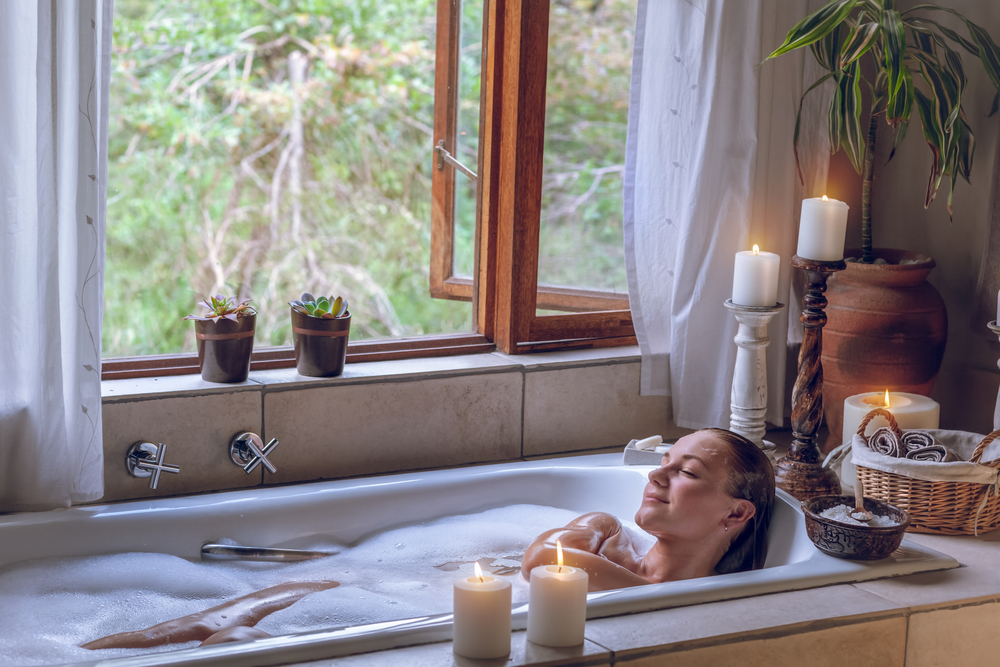
The new moon is time of renewal. With the dark moon, the landscape is un-illuminated creating a blank canvas for the coming two weeks. You can still celebrate a new moon bath with this recipe that I discovered many years ago and still use it each month.
This New Moon Bath enhances the release of that which no longer serves you and prepares you to be filled with new blessings to come:
  • Fill the bathtub with very warm water.
  • Add 1-2 cups of Epsom salts
  • Add 5 drops each of the following essential oils: Lavender, Clary Sage, Lemongrass, and Grapefruit
  • While soaking, close your eyes and imagine the salts and the oils supporting the release of toxins, clearing the debris and restoring your energy.
  • Take several deep breaths with complete exhalations.
  • Soak 20-30 minutes
  • Once you have finished your bath, pat yourself dry instead of rubbing with the towel so that some of the salt and oils remain. Then, take a few minutes to write in a journal and set an intention for what you want to create and invite into your life the next two weeks. ***Don’t skip this step, having cleared your energy, you want to be sure that it is being filled up with the energy that you want in your life.***
  • Can’t do a bath on the exact date? No problem, you can still get all the benefits of the new moon energy up to two days before or two days after the new moon each month.
  • Don’t have a bathtub? Add a few drops of essential oil to a hot shower, take several deep breaths inhaling the aromas and making complete exhalations to support the release.
  • Smile and give gratitude for taking the time for self-care and for the feeling of renewal.

Why Being Bad is Good For You

“Life begins at the end of your comfort zone.” — Neale Donald Walsch

In college, one of my best friends was studying for a fashion degree. During our final semester, in the spring of 1997, she suggested I join her in a millinery class to learn hat making. I’d done a little sewing — I knew my way around a sewing machine, could replace a button, fix a seam. As a lover of fashion, and having been constantly intrigued by her classes over the previous four years (so different to my own), it seemed like the perfect ending to my college years — fun and a bit frivolous. How hard could it be?

Turns out that admiring hats is very different from making them — it was, in fact, the opposite of fun or frivolous. No matter how many notes I took, questions I asked, or help I requested, a huge disconnect occurred between what I dreamt up and what I watched my hands form. Somehow I made it through eight weeks, and, mostly due to my friend’s intervention with needle and thread, eked out a passing grade.

But of all my college classes, I might remember FASH405 the fondest. It remains one of the most excruciating but beneficial courses I’ve ever taken, because it reinforced lessons more important to me than bespoke hat making:

  • humility;
  • how to laugh at myself;
  • the world didn’t end because I wasn’t perfect at everything I set my hand to.

We are naturally drawn to things we are good at and enjoy. But while playing to our strengths may be comforting, it’s also one-sided. Focusing on new tasks — in particular, ones we’re not at ease with or good at — can be the ones that accelerate true growth for adults. And the lessons learned may be far removed from the original skill we set out to master.

Hobbies are a perfect way to let go of the stress of our day-to-day lives, free of the “must dos” of work, parenting, chores, or other responsibilities. They, like any new challenge, literally rewire new pathways in our brains — making us more intelligent overall. Yes, even a C- in millinery helped make me smarter. The same can be true of picking up a guitar, even if you’ll never be inducted into the Rock and Roll Hall of Fame; or taking acting classes, even if the only Academy Award speech you’ll ever give is in front of your bathroom mirror. We reap the rewards of pursuing a hobby — relaxation, being present, finding flow, adding enthusiasm and zest to our regular lives — whether we’re good at it or not.

It’s really about relishing the journey more than the destination and letting go of the maxim that satisfaction depends upon perfection or even monetization. I’ve practiced yoga for more than 20 years but still can’t get both feet off the ground in crow, nor execute a headstand. I love to craft but no one who’s seen my projects has ever wanted to buy them off me. But I enjoy both hobbies immensely and can’t imagine my life without them. They help me find balance and express myself creatively. I may be “bad at them,” but they still feel pretty good, and, crucially, I’m still learning and progressing bit by bit. 

Willingness to do something poorly also allows me to sympathize with others who struggle with what comes naturally to me. In that same hat-making class, I helped another senior write a description of her final project. She looked at me the same way I’d looked at her whipstitch her velvet beret — like I had mysterious powers. I try to remember that lesson and practice patience with others, remembering that what I find easy — whether that’s baking a cake or playing air hockey — is, in fact, not easy for everyone. We are all blessed with different gifts. By spending time outside our comfort zone, we encounter many different types of talents to admire and even emulate.  

I’ve never returned to hat making, but I held on to my favorite — a straw bucket-style. Over several classes, I’d wet and softened the straw until it became pliable. I stretched it over the wooden hat block, then, when dry and formed, sewed a wide black ribbon around the crown. I carefully stitched in the slim hat band, and, at last, took it up to the professor for grading. I felt sure that finally, in the last week of the semester, I’d made a masterpiece.

The kind but bemused instructor was less convinced. I’d located the straw’s seam front and center, not around back where it should have been. I’d not used the proper stitch on the hat band, and had left a gap between the ribbon on the outside. In her eyes, this English major had failed, again, to grasp basic millinery tenants. 

But in my opinion, that straw bucket is my magnum opus. Unlike every other hat I made that semester, this one matches exactly the picture I had in my head. I love wearing it. I love telling people I made it. Most don’t notice the wonky seams or lack of precision, they just want to know more about what it’s like to make a hat from scratch.

I’ll probably never be a professional milliner or yogi, nor sell my crafts on Etsy. But I hope I’m a wiser, more sympathetic, more clear-eyed adult who can laugh at herself, keep trying new things, and more importantly, enjoy the ride.

I’d call that success.

by Stefin Kohn, Contributing Writer

Resources – 

  • Elizabeth Day is the reigning doyenne of failure. On her podcast, and book of the same name, How to Fail, she talks to both famous and “ordinary” people about what their failures have taught them. Her follow-up book, Failosophy, was published in October 2020.
  • Dr Barbara Frederickson is a towering figure in the world of positive psychology. Listen to her talk about why prioritizing connection over achievement leads to better health and happiness on Episode 341 of the Ten Percent Happier podcast.
  • Still searching for something to fail at? A simple Wikipedia search for “hobbies” renders an incredible wealth of options: From watch repair to embroidery, metal detecting to calligraphy, they’re in alphabetical order and category (outdoor, indoor, sports, educational, etc.). There’s literally something for everyone, and probably a few you’ve never heard of. (Gongoozling anyone?) You’re bound to be bad at one of them.