Recipe: Mexican Pico de Gallo Salsa

In honor of 5 de mayo (5th of May), it only makes sense to celebrate Mexican salsa. In California, we take it for granted that we can pick up fresh salsa at the supermarket or taquería whenever we want. It’s a different story in the UK and it didn’t take more than a hot second to realize that my best bet in London is to make it myself. In just under 3 years, it’s become second nature and even the kids make their own – because it’s just better when it’s fresh.

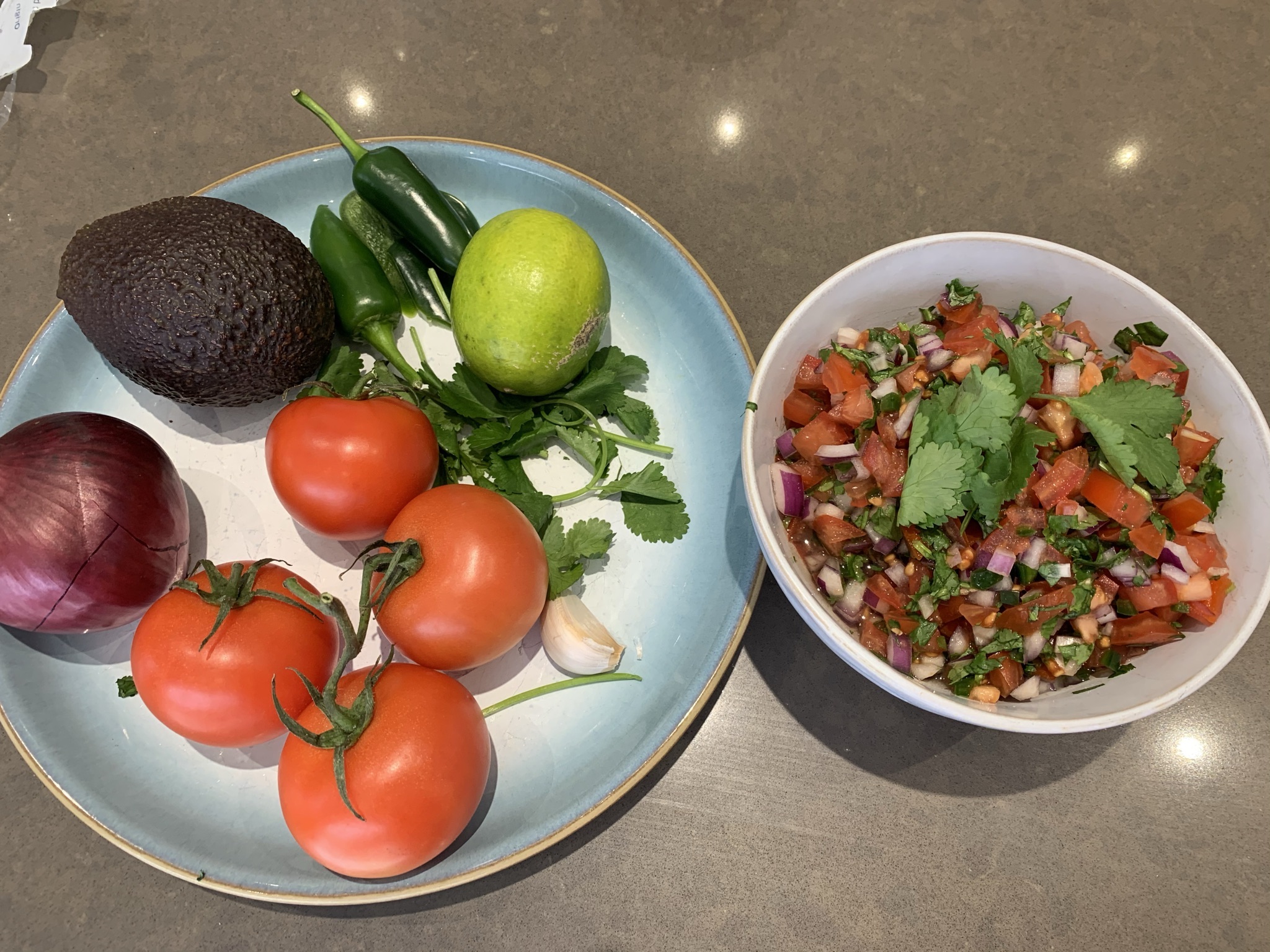
Mexican Pico de Gallo Salsa

Ingredients:

  • 3-4 tomatoes, diced small
  • 1 jalapeño pepper, seeds removed and diced (include some seeds for spicier version.)
  • 1 small red onion or 1/2 medium to large red onion, diced
  • 1 large bunch of cilantro (fresh coriander), coarsely chopped
  • juice of approx. 1/2 lime, to taste
  • salt and pepper to taste
  • 1 clove garlic, finely chopped (optional)
  • 1/2-1 avocado, diced

Directions:

Mix all ingredients together in a bowl. Adjust seasoning to taste. Serve with chips & salsa, tacos, burritos, nachos, eggs, and any other dishes you wish.

Recipe: Asparagus Omelette with shallots & goat cheese

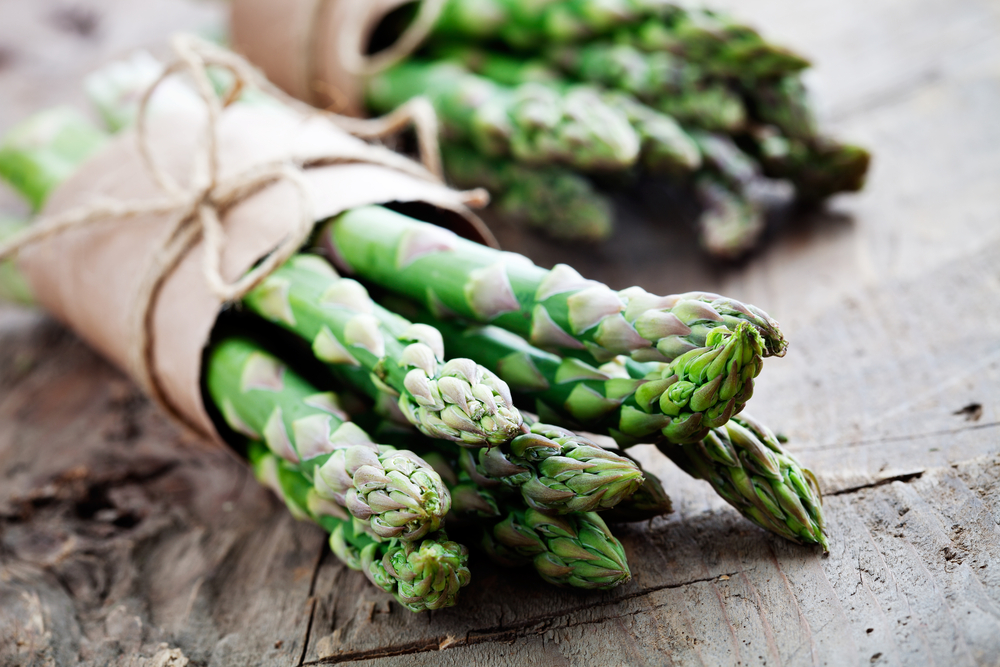
One thing that I noticed in the spring of my first full year living in the UK was that restaurants have special menus featuring asparagus. I love that! By the end of the long dark winter, we are ready for something new and colorful. These items like asparagus with availability for such a short season remind us to be present and local with our weekly menus and food choices.

It’s so easy to get into a rut and accustomed to eating the same thing morning, noon, and night, year around. While it may simplify things to a degree, unfortunately, it doesn’t usually work for optimal health because we are wired to be in connection and interaction with our physical environment. Those of us who have a family heritage from a different location than where we currently live may have some sensitivities to local food in the short term. The longer you live in a place, the more likely you are to adapt to the local regional and seasonal dishes throughout the year.

In Northern Europe and much of North America, we’ve been eating hearty stews and heavier meats to stay warm through the winter and now it’s time to lighten things up as we cycle through the first harvest of spring through to autumn. Read more about the best of Spring in New Season, New Menu.

Enjoy asparagus for these few short week!

Recipe: Asparagus, shallot, and goat cheese omelette

Ingredients (serves 1):

  • 3-5 asparagus spears
  • 1 shallot, minced
  • 2 eggs
  • 1-2 oz goat cheese
  • butter or olive oil for cooking
  • salt and pepper to taste
  • sliced avocado (optional)
  • Prosciutto or smoked salmon (optional)

Directions:

  1. Prepare asparagus. Either blanch in well salted boiling water or grill after tossing in olive oil, salt, & pepper. Set aside.
  2. Heat small to medium skillet.
  3. Add 1/2-1 T. olive oil, then minced shallots. Sprinkle with salt.
  4. Sauté and stir approx. 5 minutes until shallot is softens. Cook longer if you desire a sweeter, more caramelized shallots.
  5. Once cooked, put shallots aside in a bowl.
  6. Whisk eggs with salt and pepper in a bowl.
  7. Heat pan to medium (safe dishes by using the same one you used for the shallot) and melt butter or drizzle olive oil to hot pan.
  8. Add eggs mixture to hot oiled pan. Reduce heat slightly.
  9. Once the egg mixture is cooked on the bottom and started to cook up around the sides, use a spatula to flip it.
  10. Add the asparagus, shallots, and goat cheese (and optionally prosciutto, smoked salmon, or avocado) to one half.
  11. Fold the other half over the added ingredients, turn off the heat and cover.
  12. Wait 3-5 minutes for the cheese to melt.
  13. Serve on a plate with freshly ground pepper.
  14. Enjoy the deliciousness of the season.

Get a positive vibe from negative ions

Children and adults alike struggle with behavioral outbursts and mood dysregulation from time to time. We experienced our share of that when raising our children. Curiously, at a certain point I noticed that after taking a shower their entire affect would resolve even if there had been emotional intensity just before. Was it like the proverbial bucket of water dumped over the head of someone who is being nonsensical? The effect seems to be related to negative ions, and if you’re ever feeling a little “off” a shower is a great place to start.

Negative ions are molecules that are charged with electricity. It’s this charge that gives is vitality, prana as it’s known in yogic traditions, Qi in Traditional Chinese Medicine (TCM), or life force energy. These ionic charges are essential to life and when absent life is depleted. This is very well described in the text of Swara Yoga: The Tantric Science of Brain Breathing by Swami Muktibodhananda in the following excerpt:

The presence of positive and negative ions ultimately affects the entire body mechanism. They influence the nervous system, rate of digestion, and regulation of the endocrine system, which in turn influences the way we think and respond to certain situations in life.

He goes on to describe the natural abundance of negative ions in nature; in forests, and near moving water like waterfalls, rivers, and crashing waves. The “breath of fresh air” that we experience when we get into nature comes from the electric charge of the negative ions. It has the potential to revive us in the same was as jumper cables revive a dead battery of a car. When we are surrounded by negative ions, they literally enter the blood stream and recharge the system.

It’s not just the yogis that offer us this knowledge, scientific research and conventional medicine recognize that exposure to negative ions reduces symptoms of depression, supports cognitive performance, and potentially boost immunity by encouraging antimicrobial activity. Pretty much everyone is in agreement at this point that depletion of negative ions and increase in positive ions in our living spaces negatively impacts physical, mental, and emotional health.

It’s a little confusing because we tend to associate negative with bad and positive with good. In the case it’s the reverse. Negative ions are the good guys and we should all be seeking them out and finding ways to incorporate them into our spaces.

Our modern living spaces tend to be deficient in negative ions largely due to electrical appliances and technology devices that dominate the space. Air-conditioning and even excessive heating, and poor air circulation further depletes negative ions. The website webmd.com informs that “the air circulating in the mountains and the beach is said to contain tens of thousands of negative ions — Much more than the average home or office building, which contain dozens or hundreds, and many register a flat zero.” That’s a pretty massive difference. And alas, they recognize that the shower is a natural ionizer that most everyone has access to, often at home.

Of course getting out in nature often for a super dose of negative ions is always a great idea and Forest Bathing is a great way to experience that. At home, it’s really about balancing the electrical charge in the space which can be done with Himalayan salt lamps, ionizer, humidifier, and even decorative fountains. It’s worth taking the time to install these especially in air-conditioned with a lot of appliances or electronics. And of course, take a shower as often as needed. Once you’ve done that, all you have to do is enjoy the benefits.

It’s important to understand something about negative ions because we are all made of energy. When unwell with sickness or fatigue, the body actually vibrates at a lower frequency, like a light that has been dimmed or that is connected to an unreliable circuit. And just like fixing the circuit better supports the light, increased exposure to negative ions can really accelerate the path to getting your own positive vibe back online.


Forest Bathing Brings Serenity One Step at a Time

“All my life through, the new sights of Nature made me rejoice like a child.” —Marie Curie

During England’s first lockdown in the spring of 2020, I took refuge in a wooded section of a park not far from my home for my daily, government-allowed exercise. Crisscrossing the extensive trails over several weeks, I watched hyacinth bulbs emerge from the ground, inch by inch, and burst into their heavenly scented, ruffled flower. As if in my own personal stop-motion film, I saw leaves unfurl from the trees above, bracingly green and brand new. I kept an eye on a mama duck perched on her nest near a small pond — rejoicing as she, one day, was joined by a brood of fluffy ducklings. Observing the natural world continue its uninterrupted march into springtime and rebirth, even as my life had seemingly ground to a halt, filled me with a deep sense of peace and perspective. 

Though I didn’t know it at the time, I was, in fact, practicing the Japanese art of shinrin-yoku, or forest bathing.

In the 1980s, looking for a way to combat burnout amongst young workers, as well protect national forests, researchers in Japan found that time in nature lowered blood pressure, blood sugar, and cortisol (the “fight or flight” hormone), and increased focus, relaxation and concentration. Thus, shinrin (forest) yoku (bath) — forest bathing — was born. It’s proved such a success that it is now part of the national health program in Japan, and has been adopted by people all over the world. The simple practice of experiencing a forest — or any natural habitat — with all senses has profound physical and psychological benefits for the mind and body.

But what does it mean to bathe in a forest, and, more importantly, why should you?

To begin with, it may be helpful to point out what shinrin-yoku is not. It’s not exercise — at least not in the “feel the burn” definition. Your hike, walk, or jog is not the primary focus of the practice, though you will undoubtedly rack up points on your step counter. But rather than focusing on mileage, or heart rate, shinrin-yoku asks that you wander rather aimlessly — guided by your five senses: the sights, sounds, smells, and even things you are able to touch and taste along the way. You have no destination, nowhere to be, except exactly where you are. Savoring your time in nature with all of the senses available to you is the entire point. It’s an immersive experience to connect you with the natural world. 

Experts say that a two-hour session is ideal to reap the full benefits of shinrin-yoku, but any amount of time will pay dividends in lower heart rate and blood pressure, increased relaxation, and crucially for many of us, time away from technology. Indeed, it may be easier for beginners to start with small chunks of time and build up to a full two hours.

I soon noticed that my walks in the woods afford me more solace than walks I took on city streets, even as empty as they were of the usual hustle and rush of “normal” London. That may well have been down to the oxygen rich atmosphere I was walking in amongst the trees. But it was also likely due to the aromatic compounds released by plants called phytoncides. These chemicals help trees fight off invaders like bacteria, fungi and harmful insects, and, when breathed in by humans, become important infection and inflammation fighters. Some researchers believe these powerful immune-system supporters can aid healing and even increase happiness. 

Additionally, nature, in all its every-changing glory, provides a distraction that helps combat anxiety and depression. In pandemic times especially, it’s easy to get caught in a never-ending cycle of rumination, worry, and speculation. Shinrin-yoku frees up the mind for creativity and provides a link to something bigger than ourselves, allowing us to see how we slot into a larger picture.  

Technically, and fortunately for those without ready access to green space, you don’t necessarily need to practice shinrin-yoku in a forest. You can take advantage of any natural environment — even your back patio — as long as you apply the principles of mindfulness: Slow down, turn off your tech, take big, deep, belly breaths, and notice how the outdoors makes you feel.

How to accomplish this? Be mindful. Listen: to birdsong, to the wind in the trees, to the scampering clatter of a squirrel’s tiny feet. See: the changing beauty of the natural world, the bright green awakening and blossom of spring, the lush exuberance of summer, the fiery blast of autumn, the naked sparkle of winter. Smell: the damp dirt, the tang and rot of the carpet of leaves, the freshness of the air after a rainstorm. Feel: the heaviness of the humidity in the air, the ground beneath your feet, the rough bark of a tree, the soft moss on a fallen log. Taste: the raindrops on your tongue, a sip from a clear stream (or, more realistically perhaps, a refreshing drink from your water bottle).

By tuning in to your five senses, you can expand what advocates of forest bathing call your sixth sense — a state of mind that encompasses equanimity, relaxation and joyful communion with nature. Twelve months and many miles later, as England emerges from another long national lockdown, I watch the magic of new life unfolding once again this spring. During a tumultuous and unsettling year, shinrin-yoku helped bring me back to myself, one step at a time. 

Want to explore more?

  • There are many books exploring shinrin-yoku in more detail. Dr Qing Li, an immunologist at Tokyo Medical School, is a well-respected physician and president of the Japanese Society of Forest Bathing. He authored Shinrin-Yoku: The Art and Science of Forest Bathing.
  • In the UK, both the National Trust and Forestry England have thoughtful web pages devoted to forest bathing. The National Trust’s site includes a list of forests; Forestry England has 360-degree virtual forest tours for those unable to access green space in person.
  • Japan Travel has an extensive list of national forests in which to practice shinrin-yoku in the country it was conceived.
  • In the US, the Forest Service as well as many individual state websites, list forests to bathe in, from the Allegheny National Forest in Pennsylvania to the Olympic National Forest in Washington State.

By Stefin Kohn, Contributing Writer

Essential Oil Spotlight: Lemongrass

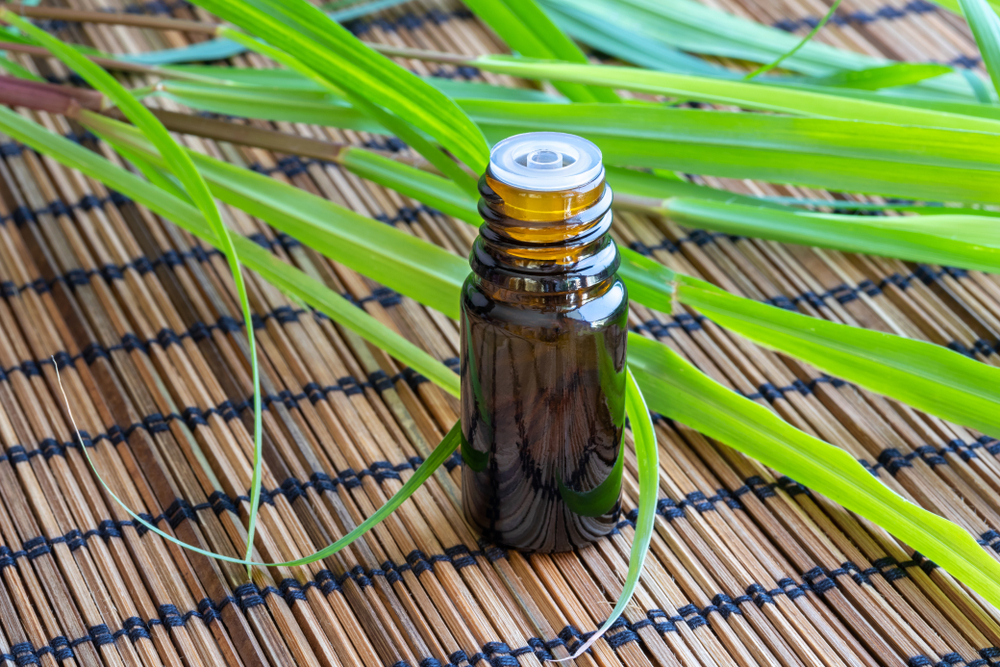
Lemongrass essential oil produces an aroma that is perfect for early spring with notes of grass, lemon, earth, and it’s also a little bitter and pungent. You may be most familiar with lemongrass from recipes with an Asian flavour profile in soups, teas, and curries as well as with fish, poultry, beef, and seafood. Fresh lemongrass offers plenty of health benefits and the essential oil packs an even more powerful punch.

Lemongrass, the oil of cleansing, is perfect to complement spring cleaning and clear out the old, both figuratively, and energetically. All of the essential oils have indications for our body, mind, and spirit. This post will explore the uses of lemongrass essential oil to enhance physical, mental, and spiritual & emotional wellness.

As I’ve mentioned previously, essential oils interact on a cellular level and signal to the cells that it’s safe to open up and release when they have been in a contracted or protective state. As we navigate through each day, we encounter situations that encourage us to contract and move into protective postures, these contractions reach all the way down to the cellular level and if we have difficulty releasing the contraction, the cells remain closed and are unable to optimally operate their unique functions. While we are wired to protect ourselves when under threat, once the threat has passed, if we don’t relax after the situation, we may find ourselves with negative feelings actually stuck in the cells of the body. These becomes areas of congestion and blockage in the Qi (pronounced Chi) or energy flow in the body. This eventually leads to stagnation and some health problems to deal with. Sounds like something you would want to avoid, right? Lemongrass can help with that.

Chemically, lemongrass is up to 80% aldehydes which are known to have antibacterial and antifungal properties. Lemongrass also has analgesic, anti-inflammatory, insect repellent, and revitalizing properties. As it supports clearing the blockages, optimal cellular function is restored.

In the body, lemongrass supports healthy circulation and is a great lymphatic stimulant. It may also strengthen vascular walls to reduce the likelihood of developing varicose veins. Lemongrass is also a powerful detoxifying agent, especially combined with other oils in an Epsom salt bath. See uses and recipes at the end of the post.

From the mental perspective, when blended with spearmint, lemongrass enhances confidences and dispels feelings of doubt and inadequacy. A friend shared this blend with me as she was using it to support her daughter’s lack of confidence playing youth basketball at around age 6. She made a roller blend for her before practice and games. Eventually, they had a portable diffuser under the bench on the sidelines and all the girls on the team benefited. Use it any time you could use a boost in confidence.

In terms of emotional wellness, lemongrass supports the release of toxic or negative energy, feelings of despair, and holding onto the past in an unhealthy way. It encourages discernment and the ability to recognize what is no longer needed. What does all of this really mean? Sometimes we hold onto ideas, beliefs, and even material objects that we no longer need. This can create a sense of energy and even lethargy.

Diffuse lemongrass while journaling or even do some release writing or movement to further move things along. It’s also great to diffuse while cleaning out when you may have strong emotional attachments to material objects.

How to use lemongrass essential oil:

Topically: After a workout or shower (or both) mix 1-2 drops lemongrass with a carrier oils and apply to arms and legs to support circulation. (optionally combine with 1-2 drops of cypress oil)

**note: lemongrass oil is very warming and needs to be used with a carrier oil. It can also irritate sensitive skin, so be sure to try it out in a small area before apply it liberally on the body.**

Detox Bath Recipe:
(I love this bath, especially for clearing around the New Moon)

Add essential oils and epsom salts to a very warm bath. Soak for 20 minutes or more while taking relaxing breaths focusing on long exhales. Pat yourself dry instead of rubbing with the towel when you get out so that the salts and essential oils linger and continue to work.

Aromatherapy:

Diffuser blend for confidence:

Diffuser blend clearing the space and energy:

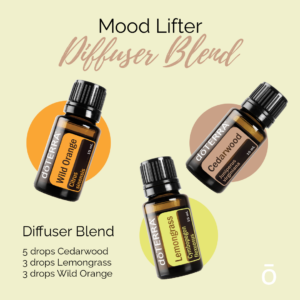
Mood lifter diffuser blend:

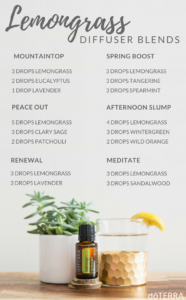
These are all suggestions, and you can adjust amounts based on the size of the diffuser, your space, and personal preference. See images below for more diffuser blends with lemongrass.

Learn more about the oils I use here.

Click here to buy Lemongrass oil.

Cultivate Curiosity as an Adult Learner

“I have no special talent. I am only passionately curious.” — Albert Einstein

Among the 2016 graduating class at South New Hampshire University, one student stood out. It wasn’t because of her perfect 4.0 GPA or the fact she was distance learning from Hawaii, nearly 5,000 miles away from SNHU’s campus. It was a few other numbers that made many sit up and take notice. After 54 years away from college courses, 94 year old Amy Craton graduated with her bachelor’s degree in creative writing and English, making her the University’s oldest graduate. She had stepped away from college in midlife to raise four children, but decided she had more to learn, and, more importantly, that it wasn’t too late. 

“It feels good to graduate, but in many ways I feel I am still on the road; I have more to learn” she told her alma matter. “If you’re thinking about going back to school, do it. You’ll open up a whole new life.” A poet with a special fondness for haiku, Amy hopes her degree will help her realize another dream — publishing a children’s book.

Not all of us are nonagenarian undergrads, but we can still benefit from the significant upticks in health, happiness, quality of life and general satisfaction to be had from learning something new in adulthood. Turns out, following Dale Carnegie’s advice “to be interesting, be interested” can keep your brain and body limber, introduce you to new people and ideas, broaden your worldview and introduce some good, old-fashioned fun. Crucially, it can also expand confidence which can take a hit once we’re no longer full-time workers or parents. 

Picking up a new skill as an adult can challenge ideas and preconceptions about who you are and who you can be. True, you may take continuing education courses as part of your job, and by adulthood, most people have taught themselves how to manage their household and finances. In many ways people continue to learn professionally and practically to grow (or change) their careers or make their lives run more smoothly. But these types of pursuits often fall under the category of “training” or “must dos.”

What about learning for the joy of learning?

Amy’s story illustrates one pathway to that joy — organized, academic, and with a clear end point. Indeed, adult student enrollment at the university level has continued to grow, year over year, since 2008. And for good reason: Adults often bring a focus, determination and a general willingness to put in the effort, along with a sense of purpose and sense of self that many younger students may not. Flubbing the correct pronunciation in your French class may not be a barrel of laughs for anyone, but you’re likely to care less about embarrassing yourself at 56 than you were at 16.

Adults can be free to indulge in their curiosity and passion. Love to paint? Curious about ceramics? Intrigued by the life of a private investigator, medic, garden designer, voice-over actor or (fill in the blank)? A variety of short-term classes can give you a taster without the time or expense inherent in a degree program.

Many adults regret not having learned a foreign language or musical instrument as children. It’s generally accepted that both of these pursuits are trickier to pick up later in life. But that doesn’t mean they’re impossible, and you’ll have something younger students don’t — real-life experience that can help you master all kinds of new tasks. My mom started playing the piano at 63 and, while occasionally frustrated with the difficulty, it gives her a great sense of satisfaction as a music lover. Plus, she has a lot of time to practice, something she definitely didn’t have while she was working full time and bringing up two kids.

And remember that not all learning is academic or requires lessons. Many adults take up a new sport. Though you’ll probably never dance with the Bolshoi if you start when you’re past the average retirement age of a prima ballerina, adults who try running, cycling (including BMX and road racing!), power- and bodybuilding regularly find success in all age groups. Runners, especially, can set records well into their golden years. The benefits of staying active, and setting goals, are enormous. Staying (or getting) in shape keeps the brain pliable and helps the release of important hormones that keep connections fresh and promote the growth of new synapses.

As a longtime advocate of mindfulness meditation (and my mother’s daughter), I practice one of the cornerstone tenants in my daily life: STAY CURIOUS. I taught myself audio recording and editing software when I hosted my podcast Preheated. I took up running in my early 30s and ran four half marathons as well as lots of shorter races over the next decade, before I took up tennis for the first time at 44. I have lots of other fascinations, too, from Second World War history to astronomy, quilting to jam making. While all of these interests may have felt overwhelming and scattered as a young person, they now feel expansive and unlimited. Who do I want to be today, and what do I want to learn?

Maybe I should take a page from Amy Craton. She’s currently studying for her master’s.

Want to indulge your curiosity?

  • Massive Open Online Courses: These online courses are available for anyone to enroll, and cover an incredible range of subjects from Shakespeare to structural engineering. Dabble in a variety or complete a master’s degree. MOOC partners with top universities all over the world, from Purdue to The University of Queensland.
  • London-based City Lit has an extensive array of evening, daytime and weekend courses, lectures, workshops and talks. Learn in person, or chose from thousands of their online offerings, covering everything from acting to anthropology. Taster courses start at just £10.
  • Your local community center, university or community college may offer courses for “mature learners.” Love it? Great! Not for you? No problem. You’re an adult and you get to decide. One of the most satisfying moments of my adult life was walking out of a knitting class when it became abundantly clear I was hopeless (more on that later this month).
  • Alternatively, in our Zoom era, the world has shrunk — you can learn to make donuts with a pastry chef in London even if you live in Milwaukee. Consider expanding your class searches outside of your geographic area. (And consider the courses at Bread Ahead — they’re fantastic.)
  • Don’t forget volunteering! It can be the perfect opportunity to expand your worldview, change your perspective, and meet people from different walks of life — all very important aspects of learning.

by Stefin Kohn, Contributing Writer

Essential Oils for Energy, Focus, & Concentration

As you may already know, essential oils are useful across many areas of our health, supporting and enhancing our goal towards optimal wellness of body, mind, and spirit. The unique molecular composition of essential oils allows it to penetrate our cells in a way that cannot be achieved by other means. Essential oils are able to cross the blood brain barrier which gives them a “back door” entrance to support brain health and clear blockages.

If you are interested in learning more about essential oils and specifically, which ones would be the best for you, email me at sheila@restorativelife.com and we will set up a brief wellness consultation.

In terms of lack of energy, focus, & concentration we know what needs to be done and are struggling to do it. I’ve even experienced this while finishing writing this blog post. When that happens, I have a few go-to that help me to get the job done.

To make the most of essential oils, it’s best to be very intentional about picking the best one for what you are trying to achieve. It also helps to go a little deeper. Ask yourself, why am I experiencing this problem? It may be rooted in the body, the mind, or the spirit. For example, if you have a headache that is distracting your work, is the headache a physical problem due to dehydration or possible having missed a routine caffeine fix? Is it mentally associated coming from stress or too much work to do and feeling of overwhelm? Or does it have a spiritual or emotional root such as a heated discussion with a co-worker of family member, feeling depressed or holding onto anger, guilt, or a need to grieve a loss? There are many sources of what we are experience in the body, and when exploring the best solution, it can really help to consider the source.

Let’s stick with the headache example. The classic essential oils to support a headache is peppermint oil and that’s a great place to start. And then, if it’s due to dehydration, get some water to drink. If it’s due to stress and overwhelm, maybe a walk or a meditation session will provide relief; and if it’s due to a personal interaction or intense emotions, then journaling, talking with a close friend, listening to music, or soaking in a bath may help.

Now that you have a little more information about choosing the oils, here are my top choices to increase energy, focus, and concentration, all important to increase confidence and productivity!

***Note: Thank you for your patience as I continue to update the links to each oil which has been unusually slow due to server issues that are out of my control.***

Essential Oils to boost energy

The best way to use essential oils for energy is to inhale the aroma. This can be done through a diffuser in the room, inhaling directly from the bottle, rubbing a drop or two on the hand and then inhaling, and applying on the body to pressure points on the wrist, temples, around the jawline, or across the back of the neck.

Essential oils that boost energy levels come from robust herbs and citrus oils. The robust herbs come from from the leaf of the plant and are full of life force that has come from the process of photosynthesis converting powerful energy from the sun into the plants. This is the part of the plant that has broken through the soil and grown and developed ready to be celebrated and used.

  • Peppermint Place one drop of Peppermint essential oil in the palm of hand with one drop Wild Orange oil and one drop Frankincense oil and inhale for a mid-day pick-me-up. This little act takes a few seconds and works wonders.
  • Motivate Encouraging Blend Together with Balance, this is one of my favorites. This beautiful blend of peppermint and citrus with the serious infusion of Melissa creates a truly powerful blend. When I need to put my head down and get productive this blend helps me get motivated to get in there and get it done. I roll it right on my wrist or temples and it helps shift me into “the zone”!
  • Breathe Respiratory Blend – This blend contains a beautiful blend essential oils including Laurel Leaf, Peppermint, Eucalyptus, Melaleuca, Lemon, Cardamom, Ravintsara, and Ravensara. I find it just clears the air and helps get things into focus and energize what needs to be done.
  • DIY Blend: Peppermint + Lemon + Ylang Ylang – This is a favorite little blend of mine to diffuse. The lemon can be interchanged with any citrus. The ylang ylang adds a creative and playful element to the peppermint and lemon.
  • Citrus Oils: Wild Orange, Lemon, Tangerine, Grapefruit – Citrus oils are known to be energizing and uplifting. If your lack of energy is due to a low mood, then it’s best to focus on citrus oils and citrus blends.
  • Citrus Bliss Invigorating Blend This is the best example of how uplifting citrus scents can be. I can’t imagine how it’s possible to inhale these aromas and not smile and feel some level of contentment.
  • Cheer Joyful Blend– This is a great citrus and spice blend. This is a great blend if your lack of energy is coming from a low mood and the “spice” in the blend can support inspiration. Apply to to pressure points (which are often the same a perfume points) throughout the day for support.

Essential oils for Concentration + Focus

The best oils for deep focus and concentration come blends with a base of trees, roots, and resins and supported with herbs. Imagine the job of the seed, to become rooted in the soil, to trust, to grow slowly towards the light. And the job of the tree, to be sturdy and support the branches and blossoms. And the resin, to overflow with wisdom from the stresses put upon it. The essential oils from these parts of the plant help it to be grounded in the work that needs to be done and eliminate distractions. Set an intention of what needs to be done and experiment to see which essential best supports you with your tasks.

  • InTune Focus Blend A powerful blend of Amyris, Patchouli, Frankincense, Lime, Ylang Ylang, Sandalwood, Roman Chamomile essential oils to boost focus. Apply topically to the back of the neck, on temples, and bottoms of feet.
  • Thinker – Focus blend for all ages  Ideal for everyone and for daily use, Uplifting blend features Vetiver, Peppermint, Clementine, and Rosemary perfectly combined with Fractionated Coconut Oil for sensitive skin. Supports the ability to pay attention and convenient for kids of all ages to use when focus is required.
  • Rosemary Well known as the Herb of Remembrance, students used to put a sprig of rosemary behind their ears when studying for exams to enhance memory. Rosemary works very nicely blended with bergamot or tangerine and diffused in a room.
  • Vetiver – This root and grass is known for its earthy and exotic aroma that helps you to be well rooted in the task at hand.
  • Frankincense – Known as the “King of Oils” Frankincense has a long practice of sacred and therapeutic uses. Add a drop to super-power a diffuser blend or apply to the bottom of feet or on acupressure points.
  • Balance Grounding Blend is my favorite and I use it every day. In terms of focus and concentration, it helps the mind to focus on what’s most important and eliminate distractions.
  • Cedarwood – With a nutty and woody aroma, cedarwood creates a calm and relaxing environment.
  • Peace Reassuring Blend  – powerfully supports moving through intense emotions and arriving at a space of peace and clam.
  • OnGuard Protective BlendWhile we tend to associate OnGuard with physical immunity, it can also be quite protective in context of mental, spiritual, and spiritual wellness too. It’s a special blend of citrus, spice, trees, and herbs to uplift, inspire, ground, comfort us and allow all the space we need to for focus and concentration. I use this one together with Balance on my feet to start my day each morning.

A great place to start and the best value for starting a collection of oils is in the Home Essentials Kit.

Click here to learn more about my favorite oils.

If you are interested in learning more about essential oils and which ones would be the best for you, email me at sheila@restorativelife.com and we will set up a brief wellness consultation.

Sneak Peek – Sample Spring Cleanse Recipes

What do you eat when you’re detoxing?

I remember when I did my first detox. I was nervous about one thing: was I going to be hungry?

Food is such an important part of our daily lives, it’s silly to participate in a detox that leaves you feeing hungry and unsatisfied. That’s one of the ways the 5-Day Cleanse is different – We’re going to eat REAL FOOD!

In fact, I’m so sure that you will love what you’ll eat on the detox that I’m sharing two of my favorite detox recipes with you in this post.

I want to make sure you feel comfortable knowing that we’ll be eating healthy, nourishing foods that will leave you satisfied and your taste buds happy. That’s why I’ve shared these recipes with you.

Try them out and if you like them, be sure to join us for the 5-Day Spring Cleanse that kicks off on April 12. Join us here and be sure to use the code SPRING20 to save £20 when you register by April 9.

5-Day SPRING CLEANSE

I’m getting excited! I hope to see you there! If you have any questions, feel free to email me at sheila@restorativelife.com

Salmon, Arugula and Sweet Potato Salad
(Serves 1)
Ingredients:

  • 1 small sweet potato, scrubbed and cut into small chunks
  • ⅓ lb wild salmon fillet, seasoned with salt and pepper
  • 2 TB white wine vinegar
  • 2 tsp Dijon mustard
  • 2 TB olive oil, divided
  • ¼ C finely chopped chives (optional)
  • 10 oz arugula, washed
  • Sea salt and freshly ground pepper

Directions:

  1. Heat oven to 450 degrees (220 C). Place sweet potatoes on a rimmed baking sheet and toss with 1 TB olive oil. Season with salt and pepper, then roast for 10 minutes, tossing occasionally.
  2. After 10 minutes, toss the sweet potatoes again and move to the side of the baking sheet. Place salmon on the other side and roast for 8-10 minutes, until salmon flakes easily. Remove from oven and let cool for 5 minutes.
  3. Meanwhile, place vinegar, Dijon mustard and remaining oil in a small bowl and whisk together. Season with sea salt and pepper. Place arugula in bowl and toss to coat with the dressing.
  4. Top with salmon and sweet potatoes, then serve.

Click here to sign up for the 5-Day SPRING CLEANSE with the new menu and recipes.

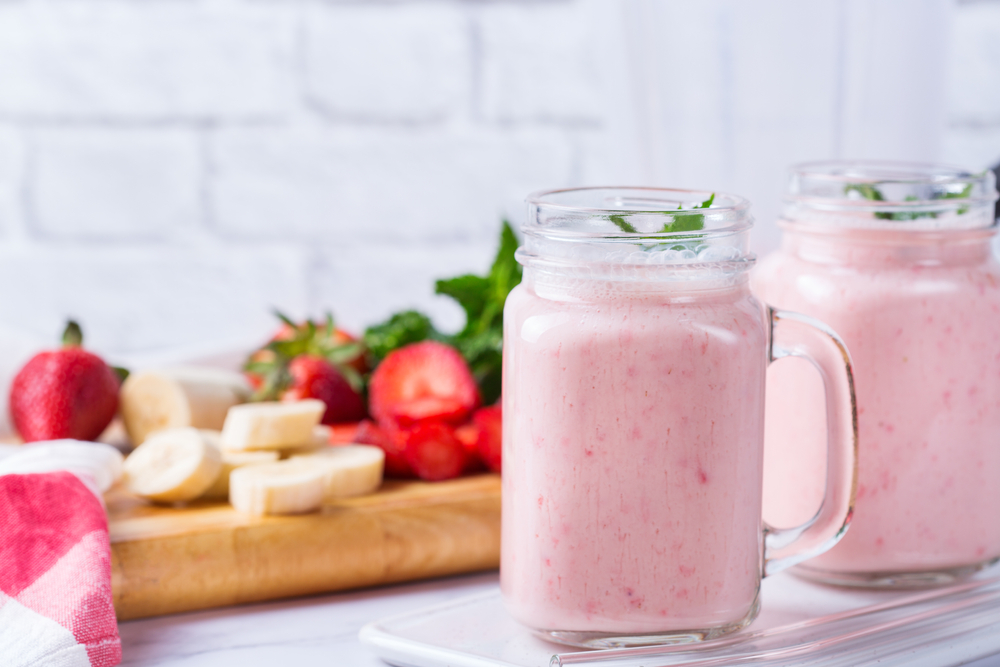
Strawberry Banana Smoothie
Serves 1
Ingredients:

  • 1 small banana
  • 2 TB chia seeds
  • 2 TB nut butter
  • ½ C fresh or frozen organic strawberries
  • 8 ounces coconut, almond, or hemp milk, or water
  • 1 small handful fresh spinach or kale

Directions:

  1. Place all ingredients in a high-speed blender. Start blender on low, and increase speed to combine fully.
  2. If you don’t have a high-speed blender, start by blending the fruit, chia seeds, nut butter and liquid together until smooth, then add the greens and blend again.

Click here to sign up for the 5-Day SPRING CLEANSE with the new menu and recipes.

Placebo Response: A Powerful Help to Healing

When you’re feeling under the weather, do you swear by a mug of your favorite chicken soup, a binge of a box set, or a long soak in a hot bath to make you feel better?  If so, you’ve harnessed the power of the placebo.

Simply put, a placebo is a treatment without medically recognized properties. Commonly used by pharmaceutical companies during drug trials, placebos have long been the gold standard to ensure an accurate clinical test before a new medication is brought to market. In drug trials, half of the participants receive the new medication and half receive a physically identical but worthless “dummy” pill or saline injection. In a system called “double blind” neither the clinicians nor the participants know who’s receiving what, in order not to influence the outcomes. In this way, researchers can prove (or disprove) that their medication works, and be sure the trial was fair and unbiased.

Beyond the realm of double-blind studies, the placebo effect and response can have powerful implications of their own for healing and therapeutic benefits. The mind is so persuasive that patients can experience strong effects, both positive and negative, while taking a placebo. During the trial for the COVID vaccines, many people reported side effects such as fatigue and headache — even though they had been given a saline injection. On the flip side, some researchers believe the vaccination has been so well tolerated because people need and want it to work so badly. 

The magic of the placebo also comes because people can still experience relief and healing — whether they know they’re receiving the actual medication or not. The placebo effect is a real physio-biological phenomena that arises not just from the taking the dummy pill, but from the social, contextual, and verbal suggestions that are around when it is administered. It may not cure you but it can make you feel better, in part because you feel cared for. Call it a therapeutic sugar pill.

Some may be more receptive and responsive in body and mind to the effects of a placebo than others. Likewise, some conditions seem to respond better to placebos. Research has shown that depression, pain, and chronic insomnia can respond effectively to placebos, sometimes as well as or better than to their “real” pharmacological counterparts. In physical terms, placebos can hasten the release of the body’s natural “feel good” chemicals, lowering heart rate, blood pressure, anxiety, fatigue and pain perception. In psychological terms, patients who believe they will have success with a treatment shift their mindset from pain to relief, a significant and positive boost. Put another way, if a patient thinks and believes that a medication or treatment is going to work, it has a better chance of success. 

An iconic scene in the 1996 movie The Birdcage provides a perfect example. Nathan Lane’s character Albert is overcome with stage fright and begs Hank Azaria’s character, Agador, for a special  “Pirin” tablet. Though Albert thinks he’s popping a tranquilizer, Pirin turns out to be nothing more than garden-variety aspirin with the first two letters scraped off. But does it, along with Agador’s soothing, cure his anxiety? Absolutely.

But saying that placebo power is all in your mind is selling it a bit short. People with diseases that affect the prefrontal cortex (such as Alzheimer’s) often don’t respond to a placebo. Tellingly, MRI scans of patients given a placebo show increased neural activity in this region, the part of the brain responsible for, among other things, behavior, emotions, and the release of the powerful mood-boosting neurotransmitters serotonin, norepinephrine, and dopamine. Changes start in the brain, but they’re really happening, and have a cascading and often transformative effect on the patient’s body. So although the placebo may only be a catalyst, it’s a powerful one.

As Albert experienced, and as new research shows, therapeutic acts literally change the brain’s chemistry. Of course, what constitutes a therapeutic act is highly individual. I may swear that numerous cups of hot tea with lemon shortens my cold. You may find no relief from hot beverages but insist that a spoonful of spicy mustard eases your congestion. Both “treatments” help us feel better, in large part because we believe they will.

However we individually find relief, though, we may be doing so out of a deep-seated evolutionary response. Evolution favors humans with positive expectations. Feeling optimistic about the future, and how you’ll feel in it, helps to reduce anxiety. Alternatively, an expectation that you’ll continue to feel poorly, or that you have no control over your health, only increases stress and accompanying unpleasant physical symptoms. 

Unquestionably, placebos have an important role in helping deliver new, safe and effective drugs. The scientific research studying the placebo effect and response, still in its early stages, may have equally massive implications for helping to treat a variety of conditions. To be sure, conventional medicines and treatments are often the accepted standard for a wide variety of health problems, and there are certainly conditions that won’t ever be cured with positive thoughts and placebos alone. But the next time you need to pop a pill, schedule a surgery, or roll up your sleeve for your COVID jab, expecting the best possible outcome may be a simple, and surprisingly effective, way to increase your success.

By Stefin Kohn, Contributing Writer

Spring Cleanse April 12-16

Hi there friends! I hope you enjoyed a your Spring feasts of Passover and Easter the past couple weekends. Now that we are moving into a new season, it’s time for a little reset week to get Spring and summer off to a great start. I always look forward the sunshine and the tank tops and sundresses and I want to feel good and look good for the season.

Let’s talk about the upcoming 5-Day Spring Cleanse. This year, I’m doing will a 5-Day session in each season to maintain momentum and continuity in our health. Just like a car needs a regular tune-up and our windows need washing a few times a year, our bodies need important maintenance attention too. We get started next week, so be sure to sign up and take advantage of the early bird discount. Sign up by midnight on April 9 to save £20. Use the code SPRING20

YES, SIGN ME UP FOR THE 5-DAY SPRING CLEANSE!
You may be wondering whether the new 5-Day Detox is a good fit for you. Here are some answers to the most common questions  just in case you’ve been wondering about this, too.

How do I know I need to detox?

A few signs of needing a detox are fatigue, low mood, headaches, skin problems, and excess fat, especially in your belly. But the truth is that if you just aren’t feeling that great, a detox can help. We live in an increasingly hectic and toxic environment, and taking time for high-level self-care like a detox can make a huge difference in your energy, mood and even your body shape.

What will happen during the detox?

You’ll get a step-by-step guide of what you’ll need to do every day on this detox. We’ll focus on eating high-nutrient foods like fresh vegetables and fruits, lean proteins, and some whole grains. We’ll cut out processed foods, dairy, and sugar. The first few days you might feel a little off as your body gets used to the new things you’re eating, but by the end of the week you’ll likely feel amazing – scroll down to read what a few past clients have said about the experience:

How do I know it will work for me?

Literally dozens of people have participated in my reset or programs. I’ve had people tell me that they’ve dropped weight, slept better, had more energy, pooped better, felt less grumpy, and even had whiter teeth. I can’t guarantee that it will work, but it’s a safe bet that you’ll see positive improvements after 5 days. And, if you don’t, let me know, and I’ll refund your money.


Here’s what a few people had to say after working with me:

“The recipes were tasty and easy to follow. I know I should eat better and I don’t always have the discipline to do it on my own. The 5-Day Detox was a great jumpstart to get back into healthier food choices, and I’m amazed how good I feel after just 5 days!”
-Amruta, Business Analyst

“I was surprised at how easy it was to follow the plan. I like carbs, sugar, and wine, but once I made it past the first couple of days, my body responded and I found it easy (mostly!) to make healthy choices. Sheila’s support and the bite-sized chunks of information meant that I wasn’t overwhelmed up front. My stomach felt noticeably less bloated and I lost weight. I felt energetic and unlike other challenges, I wasn’t eager to go back to my old eating patterns because I felt better!”
-Sara, Graduate Student

“Sheila has a wealth of knowledge and experience. She is able to think outside of the box and will continue to research and find solutions until an issue is resolved. I look forward to the 5-Day Detox because I know it’s just what my body and my mind need.”
-Jeannette, Sound Engineer

“I was in a rut with some unhealthy eating habits, so the 5 day winter detox came along at just the right time. We can do just about anything for 5 days, Monday to Friday, so it didn’t seem so daunting. With Sheila’s advice and support, I was able to go without the foods that were causing me problems while continuing to feel energised and in control. I finished the week several pounds lighter, feeling empowered and so proud of myself. I don’t think I would have been motivated to follow such a regime on my own, but the group was a good support system. The detox was just the kickstart I needed to get my healthy lifestyle back on track.”
-Marilyn, Community Activist

“I really appreciated this detox.  I was not able to do it exactly as suggested, but it did give me new ideas for what to eat and how to exercise.  I liked having something new to try every day.  It kept my mind on my health.”
-Christina, Special Education Teacher

————————————————————

Sign up by midnight on April 9 to save £20, which means you’ll pay just £59 instead of the £79 retail price. Use the code SPRING20

In case you missed it, when you sign up, you’ll get:

  • A complete suggested meal plan
  • New recipes to celebrate Spring
  • Simple easy to follow recipes that are suitable for the whole family
  • A shopping list so you can hit print and head to the grocery store
  • A detailed daily protocol so you’ll know exactly what to do and when
  • Recommended supplements to take during the detox
  • Easy lifestyle hacks to enhance the detox experience
  • Pre-Detox Training Call
  • Support and daily feedback from our members-only online forum. We’ll definitely be there to tell you to walk away from the cookies.

Get into the Groove of SPRING AND REGISTER HERE.

Let me know if you have any questions, I’m here to help. Do you know someone who’s been wanting to to try a new program, but not sure where to start? This detox is totally suitable for beginners all the way on up to those who have previous detox experience. My goal is to support at many people as possible for this experience and I can only do that with your help, so please share this opportunity with your friends and family members.

Find out more about the 5-Day Spring Cleanse Here.

I hope you will join us, I’m getting excited. Be sure to use the code SPRING20 to get £20 off you registration.

Cheers,

Sheila

P.S. If you’re on the fence, I encourage you to take a chance and sign up for this 5-day cleanse. The foods are filling and yummy, there’s tons and tons of support, and you won’t be miserable or hungry – I promise. And, if you don’t end up having a great experience, just let me know and I’ll refund your money. Give yourself a much-deserved week of self-care and sign up here:

YES, SIGN ME UP FOR THE 5-DAY SPRING CLEANSE!