Feasting and Fasting

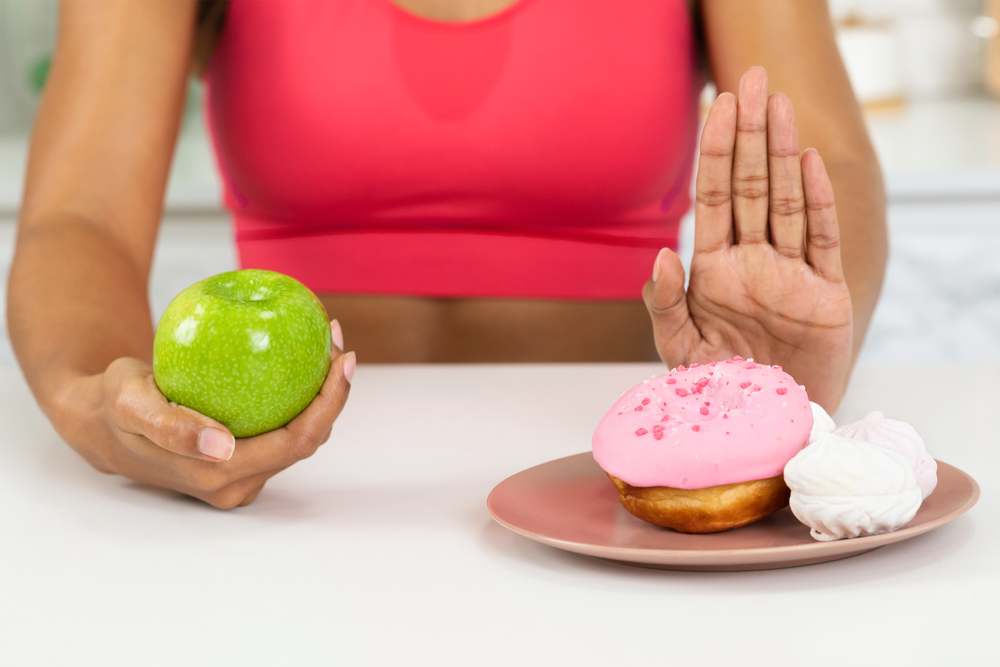
I did my first January “fast” when I was nineteen years old. Back in 1991 I called it a diet, then later a detox, a reset, and now, a fast. I felt so good that first year after the indulgences (and weight gain) during the holidays that I continued to do it. This year marks the thirtieth year of that tradition for myself – which was modified during years of pregnancy and breastfeeding. There have been a variety of iterations over the years, but they all amounted to the elimination of sugar, alcohol, and refined carbohydrates. In the early years, I reduced fat as well going along with the trends of the day. It was the ABCs of January – no Alcohol, no Butter and Bread (including all starchy foods) and No cakes, Cookies, and Candy. A simple mnemonic reference to keep me in check. Later it was Paleo or Whole 30 or Hormone Reset or Keto; and more recently a 5-10 days water fast. As I have become in tune with this rhythm, I have also added a couple of additional fasting periods throughout the year, although January remains the longest and strictest at least for now.

We are wired for feasting and fasting and that goes all the way back to hunters and gatherers. Throughout the year they would experience periods of abundance and scarcity would have coincided with the seasons. There was more food available in the summer and autumn and much less available in the winter and early spring. These periods also aligned with daylight hours and encouraged much activity during the long days of summer and a quiet, restful period during winter, mirroring all life forms on Earth. During the plentiful months, they would take their fill in preparation for the lean times to come. Because of this cycle, our circadian rhythm includes a tendency for weight fluctuation throughout the seasons. Just as other mammals prepare for the winter hibernation by eating as much as they can and piling on the pounds, we too have an innate programming in our cells that lends itself to feasting in the fall and early winter, and then fasting in the late winter and early spring months.

As civilizations developed and progressed, that natural fluctuation has been bolstered by the harvests and the weather and religious and spiritual traditions. Pagan festivals included a feast at the winter solstice on December 21. They butchered large animals that would not survive the deep freeze of winter and kept the Yule Log burning throughout the solstice period. The Christians adopted this period of the year to celebrate Christ’s birth and the twelve days of Christmas. In recent times, this has extended into a much longer feast period often beginning with Halloween, Samhain, and Day of the Dead which blend into harvest festivals and Thanksgiving in the U.S. finally blending right into the Advent season lasting through Epiphany on January 6, often celebrated with a cake. Once upon a time, Advent was a season of fasting. These days, it’s a pre-feast feast of daily chocolate or even alcoholic indulgences. It’s no wonder that our bellies and bottoms are bursting by the second week of January.

Before modern food preservation and refrigeration, these feasts would have been followed by a period of scarcity as the ground froze and families would be sustained on stored grains, root vegetables, canned pickles, tomatoes, and preserves, and dried meats and fish. From an evolutionary and cellular perspective, our bodies are prepared for this time of lack. Just like the tulip bulbs lay in the frozen ground in the winter soil, the cells are not worried about the current situation, they are programmed to be still and patient and will sprout and announce spring when the time comes. We too have cellular programming based on circadian rhythms related to the sun and the seasons.  Daily circadian rhythms alert us to be awake during the day and asleep at night. Seasonal circadian rhythms encourage more activity in the summer and rest in the winter. More activity in the summer requires more food and we are gifted with the bounty of the harvests. Less activity is more natural in the winter as a way to conserve energy with less food available.

Modern conveniences have complicated this natural cycle. Constant availability of food throughout the year and incessant advertising campaigns to encourage purchasing and consuming more and more and more have taken a toll on our instinctual tendencies. Business and profit models leave little room for a lean month of profits which in turn prevents the achievement of physical leanness in the population at large. In his book, The Obesity Code, Dr. Jason Fung, an expert in the use of fasting for health benefits, suggests that “an imbalance between feeding and fasting will lead to increased insulin, which causes increased fat, and voila – obesity.” While the year round abundance of food that many of us have access to is certainly a blessing, it’s also something that we need to manage to maintain our health and longevity.

It doesn’t matter whether you choose to engage in Dry January or Veganuary or Whole 30 or some other program or if you call it a diet, detox, a cleanse, or a fast, reducing caloric consumption (especially of sugar and refined carbohydrates) for a few days to a few weeks will allow the digestive and circulatory systems, including the liver, some well-earned time of rest and renewal. Not sure where to start? – how about try Intermittent Fasting – which is essentially skipping a meal a couple of times per week. Finally, don’t get discouraged if you feel lousy the first few days, that’s just the body’s cleaning crew doing its job.  Stick it out one day at a time to enjoy the lightness, clarity and alertness on the other side.

If you are interested in personalized support and creating a customized wellness plan, contact me at sheila@restorativelife.com to schedule a discovery call.

An exploration of iron and iron deficiency – Part II

“You are both stars, don’t forget.
When the stars exploded billions of
years ago, they formed everything
that is this world. The moon, the
trees, everything we know is
stardust. So don’t forget. You
are stardust.
– ROSE PEDDLER”
― Richard Linklater, Before Sunrise

Part II

Part II explores the specific role of iron in the body and includes a variety of suggestions of how iron levels have been shown to be supported across a range of healing modalities.

Read Part I to learn more about iron as an element, how we have interacted with iron in history, and symptoms of iron deficiency.

***If you suspect you have iron deficiency, work with a medical professional to create an appropriate treatment plan.***

Iron Absorption and Regulation in the Body

Iron is found in hemoglobin in red blood cells in the body. When red blood cell count is low, there is less oxygen that is transported and delivered to the tissues and organs in the body. It is important to understand iron absorption to ensure adequate red blood cell production in the body.

The ability of our body to absorb iron is equally as important as iron levels. In a tightly regulated system due to its toxicity in high doses, the body maintains iron storage when there is an excess. This can become a problem when signals get mixed up and the high iron storage signals the body that there is enough iron when in reality, our bodies most easily iron consumed in an ongoing basis. In this case, iron storage has reached capacity sending a message that there’s no need to absorb incoming iron and leads to the same symptoms as iron deficiency. A ferritin test will help the doctor understand if there is a situation of low iron or iron overload. A diagnosis of low iron or a more serious chronic condition is worked out by obtaining both blood iron levels and ferritin levels. Hemochromatosis is the most common type of iron overload and is a genetic condition in which the body has a tendency to absorb excess iron from the diet. Those with this diagnosis follow a diet to that reduces iron consumption to avoid toxicity.

Tests to measure iron level include serum iron which measures the level of iron in the blood, serum ferritin which is a protein supporting iron storage in the body, and transferrin level which is the protein carrying the iron in your blood.

Causes of Low Iron

There are a variety of causes that may contribute to low iron in the body which itself is a complex machine of hormones and systems that interact with one another. It’s necessary to work with a medical professional to understand the source of the problem. It’s worth doing the detective work and as we’ll see, some medical traditions such Ayurveda and Traditional Chinese medicine treat the cause rather than simple the symptoms. An iron supplement sounds like a quick and easy fix, but it won’t necessarily resolve the situation if the underlying cause isn’t addressed.

Causes for low iron and iron deficiency may include: heavy menstruation, lack of sufficient iron in diet, poor iron absorption, internal bleeding, stress, rigorous exercise, vegetarian diet, anxiety, chemotherapy, and pregnancy, just to name a few. Excessive stress is especially toxic systemically. It shuts down ordinary digestive function and the release of stomach acids which prepare the stomach to absorb important nutrients, including iron.

Dietary Iron

There are two types of dietary iron.

Heme iron is that which comes from animal sources and is more easily absorbed into the body.

Non-Heme iron comes from plant sources and has been shown to be less easily absorbed into the body.

Blood Deficiency, TCM and Ayurveda

Traditional Chinese Medicine (TCM) considers low iron in the body to be blood deficiency. Treatment is directed at the liver, spleen, and digestive system rather than at iron levels itself. In Ayurveda medicine, iron deficiency is believed to be rooted in a “weak digestive fire”. Dietary recommendations are based on balancing the digestive heat in the body to support the blood and ensure adequate elimination of toxins. Like TCM, the focus is on a blockage in the liver. Healthy digestion is the primary focus followed by supporting circulation.

Recommendations

The best and fastest way to increase iron levels in the body is through dietary food containing heme iron. The following is a collection of other known modalities to support optimal iron levels in the body. Be sure to discuss with your doctor for which ones are right for you.

Diet

Much research has revealed that calcium in foods and supplements specifically blocks iron absorption, therefore it’s necessary to be strategic to target optimal levels of iron absorption. A message for those who eat meat from The Iron Disorders institute suggests:

  • Two hours BEFORE a “Meat Meal” AVOID coffee, tea, high fiber, eggs, chocolate, dairy or calcium supplements
    • “Meat Meal” is lean, red meat: beef, venison, lamb or dark meat chicken, turkey or fish. Eat with: a leafy green salad and vitamin C rich food such as juice: (tomato, vegetable juice or orange juice.) Take iron supplements* with this meal.
  • Two hours AFTER a “Meat Meal” AVOID coffee, tea, high fiber, eggs, chocolate, dairy or calcium supplements

For those who do not eat meat it’s especially important to pay attention to the following lists and to what enhances iron absorption and what interferes with it. Then adjust your meals and lifestyle choices accordingly to get the greatest result. For example, drizzle lemon juice on a serving of spinach and consume any dairy or high calcium food at another meal. In essence, follow the above instruction with your non-heme iron and discuss with your doctor how to further increase iron levels.

Heme Foods with highest dietary iron:

  • Beef Liver
  • Chicken liver
  • Giblets
  • Oysters
  • Mussels
  • Clams
  • Beef
  • Egg yolks
  • Blood Sausage
  • Black pudding
  • Desiccated liver (in pill or powdered form)
  • Bone Broth

Non-Heme Food with highest dietary iron:

  • Prune juice
  • Spinach & dark leafy greens
  • Sesame seeds
  • Pumpkin seeds
  • Chickpeas (with lemon)
  • Beet juice
  • Dulse
  • Chard
  • Parsley
  • Blackstrap molasses
  • Dried apricots
  • Pistachios (best nut, other nuts such as almonds may inhibit iron absorption)

The following enhance absorption of iron:

  • Pink Himalayan salt (its pink hue is due to iron deposits in the rocks)
  • Vitamin C
  • Vitamin A
  • Potassium
  • Manganese
  • Adequate copper
  • Cook with a cast iron skillet
  • Use Iron Fish to naturally increase iron in food and water

The following interfere with the absorption of iron:

  • Caffeine
  • Alcohol
  • Calcium
  • Magnesium
  • Zinc
  • Phytic Acid (found in grains and legumes)
  • Gluten
  • Casein
  • Soy
  • PUFAs (bad fats, fried food)
  • Sugar
  • Tannins
  • Soda
  • High Cortisol (stress)
  • Worry and anxiety – viscous cycle between cause and effect of low iron; worry tends to cause loose bowls which tends to inhibit absorption of nutrients in general; low iron causes stress on the body which exaggerates symptoms of worry and anxiety

Medications interfere with iron-absorption (keep a 2 hour window between consumption):

  • Anti-acids
  • PPIs
  • Tetracycline and other antibiotics
  • Painkillers

TCM

Traditional Chinese Medicine may include consumption of herbal tonics, herbs, and bone broth; acupuncture and other therapies.

Ayurveda

An Ayurvedic doctor will work with your diet to bring your doshas into balance. Treatment may include tonics and herbs that support the body to strengthen the immune system, and a customized diet to regulate digestion and circulation, and eliminate toxins effectively.

Crystals

Crystals are used in healing to promote physical, emotional, and spiritual wellness by interacting with the body’s energy field. You can wear them as a bracelet or necklace, carry them in your pocket, and keep them by your bedside or under the pillow while sleeping. Be sure they are regularly cleansed or charged in running water, sunlight, or moonlight.

  • Hematite – known for its grounding and protective properties. It has a powerful connection to the blood and supports restoration, strengthening, and regulation of blood supply.

Herbs and teas

Best to focus on herbs to support liver and digestion, as well as stress reduction.

  • Liver tonic
  • Peppermint tea
  • Chamomile Tea
  • Tea of nettle leaf and dandelion leaf
  • Fresh parsley added to meals

Essential Oils

The best way to use essential oils to support low iron is to use them to reduce stress, manage moods, and support sleep.

  • Citrus oils – lemon, orange, tangerine
  • Peppermint
  • Eucalyptus
  • Frankincense
  • Lavender

Lifestyle

  • Sleep – Sleep is our body’s dedicated time for restoration and recovery. Waste is eliminated and systems are recharged in preparation for a new day. Read more about the importance of sleep in a previous blog, Reclaiming Sleep, and consider ways to improve your sleep routine to make the most of this time.
  • Movement – regular movement supports the lymphatic system to release toxins from the body. It also stimulates circulation and blood flow. Monitor movement according to physical ability and energy levels. I wrote about the important of movement in the post Forget exercise less, move more.
  • Stress Reduction – Stress is one the most toxic things we are exposed to on a regular basis. Optimal health and balance of body, mind, and spirit will not be achieved without learning about and practicing ways to reduce stress. This may include breathing exercises, mindfulness and meditation, yoga, massage, close relationships,
  • Self-confidenceDo things that make you feel empowered. Be your best self.

Well friends, you made it to the end. My hope is that you found something useful and learned something new. Please share this with others so that we can all have a better understanding of optimal iron level for vitality and live long and strong.

***I am not a doctor or medical professional. I am a health coach, writer, researcher, and teacher. My aim is to share the information that I have discovered in order to expand the understanding of what is possible in terms of treating and healing health related issues of the body, mind, and spirit with natural remedies when possible based on traditions from around the world to complement and enhance modern conventional medicine. ***

If you are interested in focused support with your specific health challenges, meal planning, menus and lifestyle adjustments, please contact me at sheila@restorativelife.com

Seed Cycling

“Let food be thy medicine and medicine be thy food.” ― Hippocrates

If you haven’t yet heard of seed cycling, it may not be long. While there are skeptics and those who doubt the power of food to support health, it’s being shared widely on social media and health blogs because people are having good results with it.

Seed cycling uses a variety of seeds to support hormone balance, fertility, and to ease the symptoms of menopause. There is a lot of anecdotal evidence that it reduces problematic symptoms related to the menstrual cycle and the hormone roller coaster that issues. Menopausal and post-menopausal women can still benefit by cycling the seeds according to the moon cycle and referring to the New Moon as Day One. I started seed cycling last year and I continue to do it because I have noticed that over time it has supported restoring and maintaining hormone balance.

**important disclaimer – If you have dealt with breast cancer or if you have a estrogen or progesterone sensitive tumor, consult your physician prior to engaging in seed cycling. I am trained as a health coach and I am not a medical professional.**

How seed cycling works works:

Phase 1: Days 1-14

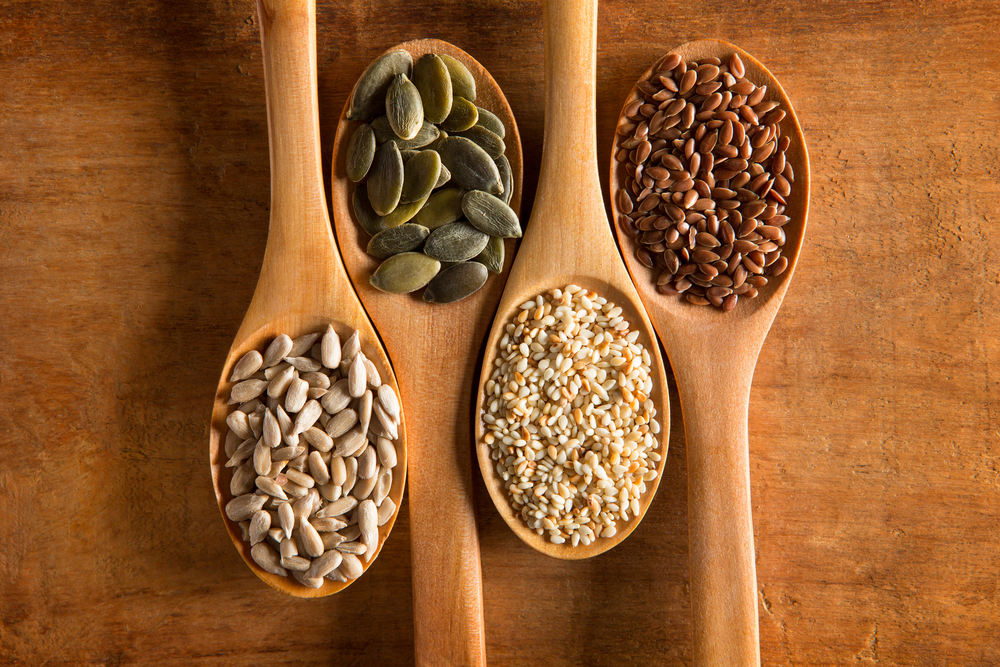
Starting on the first day of menstruation (or on the new moon), consume 1 Tablespoon each of ground flax seeds (linseeds) and pumpkin seeds and added to you meals in any way you chose; smoothies, yogurt, porridge, soup, and so on.

It’s best to grind the seeds fresh each day to get the most nutrition. It is said that the seeds are best ground because it expands the surface area of the seeds allow for greater absorption of the nutritional content. I have a small coffee grinder that I use only for grinding seeds.

Phase 2: Days 15-28

Starting on Day 15, or alternately on following ovulation if that comes sooner, switch to 1 Tablespoon each of ground sesame seeds and sunflower seeds for the remainder of the month.

Why seed cycling works:

It’s all about restoring balance. There are all kinds of hormone mimickers in the environment, especially estrogen that are prevalent in plastics and cosmetic products. They actually become present in the body and send our hormones out of balance with too much estrogen. To make matters worse, excess stress contributes to the depletion of progesterone which coupled with high estrogen leads to the cause of experiencing PMS symptoms such as headaches, cramping, moodiness, acne, weight gain, and is related to low libido and thyroid problems.

During phase one, flaxseeds are the phytoestrogens supporting estrogen balance that is naturally increasing after plummeting just before menstruation while pumpkin seeds contain zinc, which has been shown to reduce cramping.

In phase 2, sunflower seeds and sesame are high in vitamin E, which has been shown to support production of progesterone, which in a healthy cycle rises following ovulation in the second half of the month.

Seed cycling is rooted in deep nutrition and using diet as nutritional therapy. I first heard about Seed Cycling when reading a book called The Metabolic Approach to Cancer by Dr. Nasha Winters and Jess Higgins Kelley which extensively explores how utilizing food is used as medicine to regulate balance in the body to support the elimination of cancerous cells and other diseased cells in the body. Her research exploration is based on the metabolic theory of cancer for which Otto Warbug was awarded a Nobel Prize in the 1920s. While this book explores metabolism it is also recognizes that hormone balance is a key factor in the process of healthy metabolism and essential to complete wellness both in the body and in the mind.

Seed cycling works to support the hormone fluctuations of the menstrual cycle and the phases that occur through the month. It has the potential to reduce symptoms of hormone imbalance and there appears to be no harm in trying it out. While there is certainly a role for strong medications, we must consider that they often come with side effects. It may take a little longer, but in many cases it’s possible to arrive at similar results with appropriate dietary adjustments with almost no risk of negative side effects. Be aware that it may take up to three months for the benefits of seed cycling to to kick in, so be patient and trust the process of your body restoring to balance.

Recommended reading to understand more about the role of food in deeply nourishing our bodies:
Deep Nutrition by Dr. Catherine Shanahan
The Metabolic Approach to Cancer by Dr. Nasha Winters and Jess Higgins Kelley

21-Day Challenge May 2020

“The goal is not to be better than the other man, but your previous self.” –The Dalai Lama

The 21-Day Best Self Challenge is a lifestyle exploration as part of the journey to growing into the best version of ourselves in body, mind, and spirit. As a participant, you will receive group coaching by means of resource materials, daily emails, multiple videos per week, menu planning support, recipes, membership in a private Facebook Group, and more. Sign up now, we’ll start on Monday!

Join me for a  21-Day Best Self Challenge starting May 4!

I don’t know about you, but with the days and weeks all blending together, I’m ready for a full-on reset to focus on supporting the direction I want to be moving in within the spheres of my body, mind, and spirit. When they “let us out again” (whatever that really means…) from lockdown and shelter in place, I want to be confident that I’m showing up as the best version of myself.

In the spirit of Ecclesiastes 3 from the Old Testament of the Bible (…that was put to song by the Byrds in Turn, Turn, Turn), There is a time for everything, and a season for every activity under the heavens. After several weeks of managing a new reality, perhaps It’s time to re-instate some discipline and routine in our lives and intentionally make choices to create the lives that we truly desire. It’s time to accept where we are in the present moment, assess where we are going, and aspire to succeed.

One of the keys to my sustained success with maintaining a healthy diet is by having periods throughout the year that I really focus on what I’m eating and paying attention to how my body is feeling. I used to do it just once a year in a longer chunk in January, but in recent years, I’ve been doing it several times a year for shorter periods of time. While a four-week or six-week program can seem long, twenty-one days somehow feels a little more manageable with more facility to complete the course. The good news is that 21 days is long enough to make some solid changes in habits and be on the path to even bigger shifts toward your ultimate best self.

Let’s face it, we all know WHAT we need to do – we’ve been reading about it for years at this point. I know that for me for me the more time I spend consciously focused doing what I  believe that I “should” be doing, the more that becomes the default in terms of daily choices related to food, movement, sleep, technology, and more. Knowing what to do isn’t good enough and isn’t going to give any results. What’s lacking for so many of us is actually DOING it. Have you been wanting to make some changes in your diet and lifestyle habits? Are you feeling sluggish after several weeks of lockdown with plenty of comfort food? Want to feel fresh and energized moving into the summer and hopefully some version of socializing? Are you ready to shed what haven’t served you and grow into an even better bolder version of yourself?  Starting May 4, I’m offering a 21-Day Best Self Challenge.

Join me for a  21-Day Best Self Challenge starting May 4!

During the course of the 21 Days, you will receive daily emails exploring a variety lifestyle aspects including movement, diet, technology, sleep, stress, sunlight exposure, and  much more. You will learn the foundational tenants of Primal Health (aligns very closely with Paleo and also referred to as Ancestral Health). This time around, I will also be exploring practices rooted in Ayurveda, Traditional Chinese Medicine (TCM), Native American wisdom, and latest research on supplements, immunity and more. You will have an opportunity to see for yourself how this lifestyle supports vitality and wellness based on science like biochemistry, molecular biology and nutrition and also based on ancient wisdom.

Truth be told, I’ve tried a lot of different diets and plans over the years. I’m grateful for all of the unique experiences because I’ve learned something from each and every one of them along the way and I want to share what I’ve learned. With the current time and global pandemic, we have all been experiencing constant change and adjustments from week to week. We will tap into that energy of presence and explore more frequent revisions though the duration of the program with a lot of space for to adapt and customize rather than follow a set framework to follow for the full 21 days. I will provide resource materials and guide you through goal setting and reflection processes.

This is a great opportunity to try out some new practices for a few days at a time and then upon reflection decide to continue with those practices or try something else – all during the process of the 21-days.

Join me for a  21-Day Best Self Challenge starting May 4!

The 21-Day Best Self Challenge reaches far beyond weight loss and I consider it to be a lifestyle exploration as part of a journey to growing into the best version of ourselves in body, mind, and spirit. This is about feeling good, feeling strong, reducing inflammation, clearing the brain fog, regulating a positive mood throughout the day, reducing stress, feeling rested, having increased confidence, improved insulin sensitivity (potential to reverse pre-diabetes and T2 diabetes), improved memory, hormone regulation, healthy skin, improved GI function, reduced muscle and joint pain, and more. I won’t promise you will have all of this in 21 days, of course, but if any of these ring true for you, there is so much potential to support yourself with a nutrient rich diet and a more mindful perspective on daily routines of movement, sleep and other lifestyle habits.

Join me for a  21-Day Best Self Challenge starting May 4!

In addition to the daily email message and suggested daily goals and intentions, you’ll be a part of a private Facebook Group to share experiences, ask questions, get recipe ideas, and know that you’re not alone in this challenge. This online community is a great way to both give and receive encouragement and accountability with others in the group. The group is private, so you’ll have the freedom to share within the group knowing that it’s a safe space to share both successes and also challenges. Many participants have found that they often same the same struggles and support each other to work through the tough patches. Most importantly, it’s a place to show up for yourself and participate with others. I’ll be posting some of my favorite recipes in addition to how to navigate restaurants and social occasions and answering any questions that you have. And new this year, I’ll have live videos at least twice per week featuring movement routines, recipe making, general info-sessions, and anything else that fits appropriately in this space.

Join me for a  21-Day Best Self Challenge starting May 4!

Here’s what others are saying about past 21-Day Primal Challenges:

“I was surprised at how easy it was to follow the primal challenge. I like carbs, sugar, and wine, but once I made it past the first several days, my body responded and I found it easy (mostly!) to make healthy choices. Sheila’s support and the bite-sized chunks of information meant that I wasn’t overwhelmed up front. It was great to be able to share tips with the Facebook community too. After the 21 days, my stomach felt noticeably less bloated and I had lost several pounds. I felt energetic and unlike other challenges, I wasn’t eager to go back to my old eating patterns because I felt better!”
-Sara, Graduate Student

“I was skeptical at first to try yet another diet…until I lost almost 5 kilo during Sheila’s 21-Day Challenge. I found Primal Health to be an inspired nutrition and lifestyle behavior program that’s easy to slot into your life without drastically changing your daily routine. I’m very grateful for how Sheila has transformed my way of thinking about food by suggesting recipes, menu ideas, and ways to navigate all my food allergies. The best part: I’ve kept the weight off.”
-Susana, Financial Advisor

“I really appreciated this challenge.  I was not able to do it exactly as suggested, but it did give me new ideas for what to eat and how to exercise.  I liked having something new to try every day.  It kept my mind on my health.”
-Christina, Special Education Teacher

Join me for a  21-Day Best Self Challenge starting May 4!

Join us for the challenge starting May 4. My goal is to our biggest group to date and spread the health far and wide. Your body is your vessel for all of things that you love to do in life, and it’s amazing how good you can feel when you are acting on what you already know to be the “right thing to do”. It’s a process and by joining me for 21-days, you’ll have some great tools to be more mindful about so many parts of your daily life that contribute to your overall well-being. Furthermore, this may be the last time that I’m offering the challenge for Free, so if you’ve been thinking about joining, now is the time. To sign up, click on one of the links, or complete for form included below.

Finally, if you know someone who would benefit or be interested in this program, please pass this on so they will have the opportunity to sign up too. Even better, consider doing the challenge together with a friend or family member. You’ll have each other and the Facebook group for an abundance of support and accountability.

Join me for a  21-Day Best Self Challenge starting May 4!

Your Best Self Checklist

Knowing is not enough;
we must apply.
Wishing is not enough;
we must do.
-Johann Wolfgang von Goethe

Today’s post is longer than usual and details how to make a checklist to support your best self each and every day and why it’s so important right now. This list is like your own personal magic potion and it will change from week to week. It’s a combination of ensuring that your basic needs are met while also making space each day in very small increments to move forward with your unique gifts and goals, your talents and desires. While it’s easy to be stuck here with our heads spinning after the last several weeks of experiencing the global pandemic, there is so much energetic potential to harness towards our greatest good. Think of the rare flowers that appear only after a destructive wildfire, the lilacs that blossom only after the deep freeze of winter, or the luxurious wines made from grapes that survive a stressful growing season.

***For the fast track of this post, skip ahead to this symbol to the action section. However, if you can spare an extra couple minutes, it’s worth reading through to capture the full story and concept.

We are in the wake of the Easter holiday this week in which the Christian tradition celebrates the resurrection, the rebirth of Christ following the death by crucifixion. Spring is abundant with symbolism of rebirth from the Equinox and various New Year’s celebrations in March to the first day of the month on April 1, to Easter, to the planting of new seeds and nurturing the seedlings, and other celebrations marking the beginning of the growing season. Rebirth is THE LESSON of spring and it doesn’t have to be limited just to spring. Rebirth can happen anytime; in a new week, a new day, and even in a new hour. We have all experienced the death of the world as we know it and it’s a great time to practice renewal every single day.

We have slowed down from the hectic rapid pace of our lives, but we don’t have to stop completely, we can still move forward. When I was cycling regularly a few years ago, we would go out on long rides every Saturday for rides of 60, 70, up to 100 miles for the day. In the Marin Headlands north of San Francisco there are a lot of hills and steep inclines to navigate during the route each week. Just as we would be cruising along enjoying the scenery, we would suddenly be riding uphill and have to adjust the gears. We did this often to maximize our individual potential in the different terrains. Even at various points in the ascent, we would shift gears according to the degree of steepness. Inevitably, we’d have to move into the lowest gear and focus the efforts to successfully manage the climb. Then it was a matter on carrying on spinning at the newly adjusted pace and accepting that although we were moving forward very slowly, we would eventually reach the top. For some riders, the slope didn’t slow them as much, but for me it was a massive case of the lesson from the Tortoise and the Hare: Slow and steady wins the race and I learned to embrace that. I didn’t stop, I kept moving and I arrived at the destination. The pace didn’t really matter; I knew I would arrive.

While we may not know exactly what the destination is at this point or how long this shelter in place/physical distancing/quarantine will last, we can settle into the fact that it is temporary and it may well be to our benefits to keep moving forward even at an exponentially slower pace than we are accustomed. Because we are in unfamiliar territory and don’t have routines to fall back on, a checklist will provide support to establish the reality that we want to be living in.

I’m not here to deny that things are intense right now. What we are all are witnessing and experiencing is difficult and distressing. And it’s also unusual because it’s the same yet different for each of us. The best way I’ve heard this described is that we are all in the same storm, but in different boats. However you consider it, we are all doing something we’ve never done before. Interesting that so far this year, I’ve written about Getting comfortable being uncomfortable, Taking things once day at a time, and Establishing habits. Well friends, here we are with an opportunity to focus on all of that. At the outset, we approached 2020, both a new year and a new decade, with such excitement and anticipation, it has certainly has unfolded differently than expected. We have to adapt and adjust and we might even create something better in the process.

Now that the initial dust has settled, there’s space to regroup and assess specifically what we need to function our best in mind, body, and spirit each day. There is possibility to move away from fear and come out at the end of this better off than before, but it’s up to us. It’s like the astronauts in Apollo 13 when an oxygen tank failed. We need to determine our current resources and use them to their greatest potential so that we can maintain and even up-level our health, energy, and sanity.  And for those of us looking after children and families, this is even more essential because we have to put on our own oxygen masks first. We will survive this one way or another and each day we get to decide which way we are going to show up, for better or for worse, literally.

The bad news is that it seems that we are all going to be in this teetering situations for a minimum of 3 more weeks and likely even longer, the good news is that this is the basic amount of time to plant the seeds to establish a new habit and even a new routine. Are there ways you can improve your life and wellbeing in 5-15 minute chunks? It’s not really helpful to think with the mindset when things go back to normal because “normal” will never again be as we have known it. Every week things are changing. The best way to navigate the changing landscape of our lives is to have a plan that can adjust to the undulations and tumultuousness of this time. While 3-4 weeks appears to be a best-case scenario, things will become re-established in stages that are likely to go on for several months.

The only thing certain is change. –Heraclitus.

*** Now, the fun part, the checklist. The purpose of the checklist is to have an anchor, a reference point to focus on things that keep you well and in forward motion rather than getting swept away in a wave of negativity or despair. Also because even though we know we should be doing things like drinking plenty of water and reducing screen-time before bed, we aren’t always likely to do them without some accountability and motivation. I started to get caught in that current a couple of weeks ago and I had to find something to bring me back to the shore. Once I realized I needed to Clear the air energetically, I felt ready for more. I made a list of all things I wanted to do each day that would bring out my best self. I kept the expectations relatively low and hoped to do it for ten days and then “we’ll see,” I said to myself. I called the list the April Reset after drinking wine, eating cake, and staying up late during the first weeks of the lockdown. That was all fine then, after having had our world shaken up and dumped right out, but it was time to move on. I put the list in a notebook and drew out the grid to check things off each day. I would do yoga and write in my journal, have gratitude, drink plenty of water, take my vitamins, say affirmations, send a text, voice, or video message to at least one person, go for a walk, practice Italian for 10 minutes, read or listen to a book, do a writing exercise, delete emails, take a nap, listen to music, laugh, take an Epsom salt bath, and floss my teeth (something I always intend to do and have never made a good habit of it.) It’s a full list and it nearly filled up a page. Most of the things on the list could be completed in 5-15 minutes. Once I did something on the list, I got to put a checkmark in the box and I felt a sense of accomplishment.

At the end of the week, I had filled up most of the spaces, but not all of them. That was okay because it was feedback. I took a nap 4 of the 10 days, a bath 5 times. I did zero writing exercises. I noticed that I felt better and the list gave me a sense of purpose. During each day, if I wasn’t sure what to do next, I referred to the list and do something on the list. If I hadn’t laughed yet, I would go online and look for some funny memes or videos to make me laugh because I know that laughing makes me feel good. I noticed that I was spending much less time on social media and mindless checking of news websites. I was still checking on things, but it wasn’t driving my days. I also noticed that during the weekend, I didn’t do some things like yoga and delete emails but I took more naps and baths. I added highlights to those columns to distinguish weekend days from weekdays.

I felt pretty good at the end of ten days, so I made another page to be sure I would continue doing all this stuff on the checklist. Now that I’m starting the third list, I realized that some things are pretty solid now like taking vitamins and drinking plenty of water, so they aren’t on the list anymore. I added morning meditation and some physical therapy exercises for my shoulder that gets tight during stressful situations. I also added watch tv to my list because I tend to keep myself busy right up until it’s time for bed and I recognize that I need to take more time to relax. For now, I have writing exercise on the list even though I haven’t done it yet, but I am hopeful that one day I will sit down be able to focus on a writing exercise. I’m even thinking of what I can add the next list, both drawing and playing a musical instrument are vying for a spot.

The Best-Self checklist is a list of things that nourish your body, mind, and spirit. It’s super self-care. We need super self-care right now because so many new things are expected of us.

Start by thinking about what makes you feel good, calm, and at peace. Write it all down in a list. Maybe you tried some things on the list from last week’s blog and enjoyed them or felt uplifted by them. Also think about times you haven’t felt so well and eventually felt better. What contributed to getting through it? Body, mind, and spirit are all connected, so meditating will help the body and going for a walk can help the mind, they aren’t mutually exclusive. Are you getting the basics? Sleep, nutrition, and plenty of water? Are you keep yourself too busy? Or the contrary – too much time doing nothing? Also, what do you love to do and what goals do you have? I had been enrolled in an online Italian class, and I want to continue learning Italian. Maybe there’s a passion project or growing a garden that you didn’t expect to have time for this year. Practicing an instrument, making a recipe, drawing – creating anything will provide a sense of accomplishment and boost the spirit releasing hormones that enhance physical function. How about something you’ve always been meaning to do that you could start to explore for 10 minutes each day? There is no pressure and it doesn’t matter if you don’t do it, rather, it’s an acknowledgment of something you’d like to have in your life. At the end of the day, life is composed of those little things that we choose to do each day. Choose well!

Once you have these items written on a list, simply put a checkmark next to the ones you do each day. If you like, you can get fancy and draw out a grid, but it’s not necessary. A simple piece of paper will do.

One of the greatest gifts of slowing down in the past several weeks is that it has forced us into the present moment, that elusive slice of time that we struggle to capture while our minds and attention so easily focuses on the past or the future. Each day, each hour, each moment is unique to the last and we don’t know what will happen the next. Having a list of things that bring out the best in you allows you to ask yourself throughout the day, what do I need right now in this moment?

The only thing that is ultimately real about your journey is the step that you are taking at this moment. That’s all there ever is. -Eckhart Tolle

To help you get started, I’ve included a huge list of possibilities for your list. Choose as few or as many as you like, but also be realistic of what would actually be possible in a day within your current reality. After the first 7-10 days you will be better able to assess how much more you can add what makes the most sense moving forward. It will be totally different for each one of us. While some of us need to get dressed each day, others need to be ok with a pajama morning; some of need less time on the sofa, some of us more, it totally individual and needs to be customized to express of your own best self. This list is private, just for you to see. There’s no judgment. If you don’t do it one day or ever, it’s just that, you did something else instead.

We’ve already had 21+ days of shelter in place, long enough to start establishing routines that may eventually become habits. We have slowed down and shifted gears and hopefully are still moving forward even the smallest of steps. Are your current daily activities contributing to progress towards your best self? I know this may sounds harsh, but even in times of challenges, we must rise to the occasion and adapt. We have a choice everyday to be making forward, negative, or neutral progress.

Growth requires movement and often the only way forward is through the exit door. –Alicia Keys

Things that might be included on the list:

  • Get dressed.
  • Take a shower.
  • Take a bath.
  • Do a face mask.
  • Exfoliate.
  • Floss,
  • Wash face.
  • Brush teeth.
  • Make your bed.
  • Apply lotion to dry skin.
  • Put hand cream on when you wash your hands.
  • Use foot cream on heels.
  • Wear a necklace.
  • Wear perfume.
  • Paint your nails.
  • Use essential oils.
  • Take vitamins.
  • Drink only tea (no coffee).
  • Drink decaf coffee.
  • Drink hot water with lemon in the morning.
  • Drink only herbal tea or water after 2 pm.
  • Take a short walk around the block or around the house after a meal.
  • Eat breakfast.
  • Practice IF and skip breakfast.
  • Drink plenty of water throughout the day.
  • Chew gum.
  • Do 1 push-up and add 1 every other day
  • Do 10 squats.
  • Do 10 jumping jacks.
  • Sit on the floor and then get up again (this is something related to maintaining mobility as we age)
  • Do Physical Therapy exercises for hip, shoulder, knee wrist, and so on
  • Do 15 min yoga video and increase by 5 min each week.
  • Dance to your favorite song.
  • Stretch.
  • Use foam roller.
  • Escape in a good book.
  • Listen to music.
  • Play a musical instrument.
  • Practice a language.
  • Laugh.
  • Sing.
  • Look at old photos.
  • Light candles.
  • Send a message to a friend.
  • Call a friend.
  • Turn off all electronics for 20 min and longer.
  • Create a new recipe.
  • Eat dinner on the fine china.
  • Plant seeds.
  • Water the seeds/plants/flowers.
  • Pull weeds.
  • Walk barefoot on the grass.
  • Lay on the ground.
  • Stop and smell the roses, lilies, lilacs, orange blossoms, wisteria, magnolias, jasmine, everything all around the world that is blessing us in full bloom with intoxicating aromas right now.
  • Learn more about history, geology, math, anything.
  • Meditate or pray.
  • Say affirmations.
  • Take several deep breaths.
  • Write in a journal.
  • Create something.
  • Knit or crochet.
  • Sew.
  • Draw.
  • Paint.
  • Write poetry.
  • Write a story.
  • Do a coloring book or print a page to color.
  • Do a jigsaw puzzle.
  • Play family games.
  • Be kind.
  • Be positive.
  • Don’t complain.
  • Help others however possible, even if it’s saying a prayer or a blessing.
  • Tell someone you love him/her.
  • Take a walk.
  • Take a nap.
  • Spend time outside.
  • Watch the clouds.
  • Sit and watch a movie.
  • Stop watching so many movies.
  • Clear out emails.
  • Organize photos.
  • Deep clean one room each week.
  • Do the dishes.
  • Don’t do the dishes.
  • Turn off all screens one hour before bed.
  • Go to bed by 11 (or whatever time is best for you)
  • Allow yourself to feel sad/angry.
  • Cry.
  • Be silly.
  • Have gratitude.


Clearing the Air

How are you doing this week? We’ve all been on some kind of lockdown for a couple weeks or more by now. We are grieving too many things to mention including the way of life we have always known. Did anyone think R.E.M.’s song It’s the end of the World as We Know It would ever resonate with such truth? (Except perhaps the subtitle of the song – and I feel fine…) It feels disorienting like we have lost our compass back to normal because what was normal just last month no longer exists. At this point the energy in homes can really start to stagnate, especially if you are in a house full of people. It’s time to clear it – NOW!

Our homes are meant to be a place of safety from the outside world. And while technology has made it possible to connect and continue to work and attend school from a distance, the residual energy from meetings, classes, group chats, and so on, starts to seep in. Add that to already cramped quarters and overlapping into one another’s space and collective feelings of anxiety, uncertainty, and fear. Then there are the leftover odors from meals, the devastating messages being broadcast on the news, and even the disturbances from violent and sinister movies and television programs can permeate into our personal space. Anyone feeling like the air is feeling heavy and tense?

“To clear the air” is an expression that means to remove bad feelings between people, usually by talking about it. In this case, it’s important that we attend to the air, the space that we inhabit, as often as possible to be free and fresh from the past. Emotional contagion is real and when sharing space we need to engage practices of clearing the air so as not to absorb lingering negative energy from others nor to allow any negative energy to fester. It is true that some of us are more sensitive to that than others, and for those of us who are highly sensitive, it’s so important and necessary to recognize it and to take care of ourselves. Some of us may have been accommodating other family members and realize that we need to consciously make space for ourselves to be during this unusual time. Ultimately, we must do whatever is necessary to support our sense of comfort, calm, and safety for ourselves and for our families.

None of us are accustomed to living in such close proximity with others around the clock for days on end and it may become evident that some people tend to consume more energy than others; and some are more susceptible to picking up on or even to attaching to someone else’s energy. None of this is to be judged as good or bad, but rather as something to be aware of.

There are a variety of ways to clean the energy in a space and each one of them could be a deep dive into the history and warrant its own post. In the spirit of relevance and importance, I want to share this information promptly so we can begin to explore on our own. These practices have origins in feng shui, Chinese medicine, a variety of spiritual traditions, and there is much scientific research as well. I’m simply going to list everything that I have am familiar with (I’m sure there are even more). As you read the list, I encourage you to connect with your own intuition and past experiences into what resonates for you and start experimenting. It is highly likely that you have already been inclined to do many of the things already. If you are unfamiliar with something and feel drawn to it, do an online search and learn more about it or leave a question in the comments and I will do my best to supply some resources. Here we go:

  • Basic cleaning. Scrub everything down; dust, sweep, vacuum, mop, all of it.
  • Clear out the physical clutter. Get rid of old things and junk.
  • Rearrange the furniture.
  • Open the windows.
  • Open the front door and back door.
  • Boil a pot of half white vinegar and half water. Let it boil down until empty. The vapor cleans and disinfects the air.
  • Turn on Himalayan salt lamps.
  • Leave small bowls of salt in the corners of rooms. Empty daily.
  • Make a salt water spray to mist through the air.
  • Soak in an Epsom salt bath.
  • Burn candles.
  • Light incense.
  • Strike a match.
  • Diffuse essential oils – lavender, peppermint, and citrus scents are especially calm and refreshing.
  • Smudge the room with sage or palo santo.
  • Add plants and flower bouquets to the space.
  • Meditate and pray.
  • Bless the space.
  • Cast out dark energy and invite positive energy in.
  • Put out crystals to absorb negative energy.
  • Play uplifting and energetic music.
  • Laugh.
  • Dance.
  • Sing.
  • Have gratitude.

The best and only way to get through this pandemic is going to be one day at a time. It will be easier, lighter, and less burdensome when we give our space the attention that it requires and allow for each day to be a new day with a full reset.

Reality is settling in

I’m going to keep this as brief as possible because I know that we are all totally inundated with both information and emotions. For many of us, definitely for me, things got really real this week. After focusing so much initial energy and drastically shifting our lives according to social distancing and shelter in place guidelines, this week things have slowed down and started to settle. At first there was a novelty to it all and amidst the surge of adrenaline, we amused ourselves with memes and images of our new and novel quarantined lives. As the novelty dissolved and reality settled in, it has felt really  uncomfortable. As I wrote last week, we just went through the seasonal change of the equinox that symbolizes transition. Transitions are always challenging, but none of us chose this one and we are all in it together. We can handle the discomfort of sore muscles because we are training to run a marathon or endure being confined in a small space for hours with lack of sleep and bad food to arrive at a new destination. We are willing to go through a lot in pursuit of a goal or destination. This feels different because it is different.

While it’s relatively straightforward attending to physical needs and hygiene like washing hands, eating fresh foods, getting plenty of sleep and movement, and so on; we must also remember emotional and spiritual hygiene. At a time when there is so much intense energy swirling around our homes and our communities, it’s more important than ever to take deep breaths and stay grounded. I tend to focus on the positive and look for the silver linings, but this week that hasn’t come so easily and I’ve just had to feel everything. There is sadness due to the cancelation of weddings, graduations, vacations, and other celebrations. I’ve felt angry because I don’t want my life to be changing like this; I liked it just the way it was a couple of weeks ago. I’m concerned for all the suffering and the doctors and nurses who are completely overwhelmed. There are the collective emotions of worry and fear amidst daily uncertainty and frequently changing situations from place to place. On top of all that, I have been judging myself for lack of productivity and not feeling especially motivated.

At the recommendation of a close friend, I started listening to Brené Brown’s new podcast. She is a pillar of wisdom and she has an incredible ability to articulate heavy and challenging topics with both practicality and humor. If it hasn’t been on your radar yet, I extend that recommendation to everyone to turn off the social media and the news for a few minutes and take in her message to us all. (Listen to the Podcast here.) She reminds us that what we are experiencing now is temporary and also that it’s important to understand that everyone in the family will have different ways of processing everything and different levels of energy every day. It’s important to have the language for everyone’s needs to be heard and for everyone to get the rest they need. It is normal that we all feel out of sorts right now and it’s especially necessary to recognize that and support one another. Some of our previous household routines are no longer appropriate. Our own daily rhythms are going through a period of revision and will continue to do so as long as we all remain home together.

In order to maintain my mental and emotional wellness, I have made daily meditation and yoga practice an absolute priority. Afternoon naps are normal. I take an Epsom salt bath every night to let go of the day and calm my mind and body. I have been grateful for the early spring sunshine and for watching movies on Disney Plus which was finally released in the UK this week. I try to limit my time online and watching news and listen to music every day. This week I especially enjoyed The Yeah Yeah Yeahs, Björk, and George Gershwin. While I prefer to write little notes to friends and put them in the mail, I am shifting that to email since that’s the sensible to thing to do right now. And of course, family dinners are alive and well.

Thinking of you all this week. May you and your families be well and may your light shine through the difficulties and challenges.


Quick and Easy Vegetable Curry Recipe

Here’s a simple recipe that we like to make when we need a quick tasty meal. The best thing about it is that you can customize it according to whatever veggies you have lying around and it’s vegan so it will work for everyone. If chopping veggies isn’t your thing, then buy a bag a prepared mix veg at the store or get the family helping out.

In this recipe I used onion, carrots, red peppers and green beans. You could just as easily use potatoes, leeks, zucchini, eggplant, peas, broccoli or whatever is available. *Note – if using potatoes or sweet potatoes, it’s best to cook them separately and then add them at the end due to the longer cooking time. Additionally, if you prefer more protein, add some diced tofu or chicken.

Ingredients:
1 Tablespoon Coconut oil
1 small onion sliced
1 garlic clove minced
1 teaspoon grated ginger (optional)
½ cup diced carrots
½ cup broccoli cut into small florets
½ cup sliced red pepper
½ cup green beans
1 can Coconut Milk
1-2 Tablespoons Curry Powder (according to taste)
1 cup of chopped tomatoes (I use canned)
1 cup of Vegetable Broth
1 can of garbanzo beans (optional)
Fresh herbs for garnish – I like cilantro (fresh coriander) or basil
Salt and pepper to taste

Rice, riced cauliflower or quinoa to serve.

Directions:

Prepare rice, riced cauliflower, or quinoa according to directions for serving.

For the curry:

  1. Heat coconut oil in the pan. Add the onions. Stir until coated and cook for 3-4 minutes until they start to soften.
  2. Add the garlic, ginger, carrots and curry powder, continue to sauté. Add a little more coconut oil if necessary.
  3. After 3-4 more minutes, add the red peppers, green beans, coconut milk, and vegetable broth.
  4. Stir it all together and bring to a simmer.
  5. Put the lid on and simmer for about 10 minutes.
  6. Remove lid and add the tomatoes.
  7. Stir all together and check that vegetables and cooked to your liking. Continuing to cook a few more minutes if necessary.
  8. Serve in a bowl with rice, riced cauliflower, or quinoa and garnish with fresh herbs.


Just one day at a time

One Day at a Time – What’s your mantra?
(3rd in series of working towards achieving New Year’s resolutions. Future additions to this series will be posted the last week of each month as we work our way through 2020 all together.)

We have come to the end of January and moving right along into February and beyond.

How’s it going? Are you on track for your goal? Great!

Off track? Then it’s time to get back on. The great thing is that every time we fall, we have the opportunity to get back up again.

A few years ago, I wanted to improve my skiing abilities and I took a ski lesson. I ended up on a slope that was beyond my level. I became frozen in fear. Steep, off-piste, trees, powder, and a long way to the bottom, everything scary. I became filled with doubt; how would I manage? My instructor sensed my hesitation and the others in the group had already begun to tackle the challenge. She asked me, “Can you do 3 turns?” I thought about it, assessed the terrain immediately in front of me, and replied, “Ok, I think I can manage that.” After successfully completing those three turns, she said, “Now do three more.” And that’s how I did it, three turns at a time. Once I recovered from a fall, I got right back to it. Three turns, then three more turns. I kept that mantra with me for the rest of the day and throughout the week. Then, interestingly and to my great satisfaction, a few days later, I no longer needed that mantra and became more comfortable on the more advanced terrain.

I was able to overcome what felt insurmountable because a well-knowing instructor helped me to break it down into chunks that were possible. It is said that anxiety is rooted in feelings about the future. Most goals are too big to deal with all at once, they have to be made into manageable pieces. We must proceed one day, one hour, one minute, on step, three turns at a time all while facing in direction of the goal and moving forward in confidence. My friend Sarah Miller Histand, an online trainer from Anchorage, Alaska, encourages participants with the mantra Moving is winning. No matter the pace; when you are moving you are winning. Because what’s the alternative? Not moving; staying the same place you have been and making no progress. Sometimes, we have slow way down until we feel more comfortable and are more able to stay on course. A baby starts to stand, then toddle, then walk, and finally accelerate to run. Many times it’s simply the case of wanting too much too fast. Whether you are learning to play a musical instrument, starting a fitness routine, learning a new language, or consuming less sugar we will make progress by showing up every day, even the days when it’s clumsy and messy and we miss the mark. Remember that moving is winning.

In the book The Slight Edge, Jeff Olsen discusses how it comes down to the small choices that we make each day. We can choose to work out or not work out in one day and in that singular moment it won’t really change anything. But remember that a habit is established by doing the same thing repeatedly over and over again. So each day we have the opportunity to establish foundations for “good” or “bad” habits. Really, it’s just a gift to be able to pay attention and to hit the reset button every single day if necessary.

Olsen also elaborates on the power of time. We live in a world that values speed at all costs. Our lives are filled with hi-speed trains, wifi, express delivery, quick fixes, rapid recovery, accelerated programs, non-stop action, and it goes on and on. He uses the geological creation of the Grand Canyon as the ultimate example of the potential of time in one of his many success equations:

Consistently repeated daily actions + time = inconquerable results

It’s true. If you do the same thing every day, over time, there will be some results.

Olsen suggests to aim for a 1% improvement each day from the day before towards a specific outcome in a targeted area of your life. At the end of the week, you can expect a 7% improvement from where you started. Then the next week you start again from that new place and with the potential to increase exponentially in a way similar to compounding interest.

One month down, and 11 more to go in this big and exciting year 2020. It’s a great time to evaluate what has worked and what hasn’t so far. What’s you’re mantra? What are you aiming for this week to get closer to the goal?

Stay focused. Time is on your side and you are on your way one day and one step at a time.


It starts with a habit…

“We are creatures of habit, and leveraging our habitual tendencies is one of the best ways to develop discipline.”  -Ernest Cadorin, The Arrows of Zen

Establishing a new habit or shifting a current habit is a great place to start when making changes to better our lives, but it is so much harder that is seems it should be. Why is it such a challenge? The reason is embedded in the definition itself.

A habit is defined as a “routine behaviors done on a regular basis. They are recurrent and often unconscious patterns of behavior acquired through frequent repetition”.

Our habits started off as learning something new, like driving a car. Eventually, we do it with so often that it happens on autopilot. This capacity allows the brain to focus on something else, which is mostly a good thing. The problem is that is that when have developed a habit that we no longer want, like smoking or eating sweets in the afternoon or getting angry too quickly, then it takes a lot of conscious effort to change it. We have to really pay attention.

A great deal of each day passes according to our habits. Checking our phone for messages, brushing our teeth, getting dressed, putting a spoonful of sugar in the coffee, the route to work, ordering fries with the burger, browsing the news when we should be doing research online, the path through the supermarket, hanging our jacket when we get home, pouring a glass of wine while preparing dinner, and much much more.

Any of these surprise you? Pouring a glass of wine is a habit? Yep, you bet it is. After much repetition, it’s become part of your routine; it’s done without even thinking. When it comes to new habits, you are developing new neuropathways in your brain. Fortunately, you can use what it already there to assist in the shift.

In his book, The Power of Habit, Charles Duhigg describes a Habit Loop. Once a habit has been identified, it can be broken down into a cue, a routine, and a reward.

CUE–>Routine–>Reward

For example, if you have a routine of getting a brownie for an afternoon pick-me up; then the cue is that it’s time for a break from work; the routine is going to the snack bar to buy and eat the brownie; and the reward is the dopamine hit from the sugar in the brownie. In order to successful change the habit, you must interfere with this loop starting with the cue. What if at the indicated break time you took a walk instead and get the reward of some fresh air? You will also need to assess if you are actually hungry at this time and be prepared with a healthy snack like an apple or some nuts to have at your desk upon return from the walk.

What are your habit loops and how will you disrupt them? Here are a few examples: Put your gym bag at the front door so you remember to take it with you for the day; Substitute herbal tea or sparkling water for a glass of wine on weeknights; Instead of watching tv or Netflix after dinner, read a book or take a bath in improve sleep routine; Instead of buying coffee, prepare it at home and add the money to a jar each morning.

Interestingly, a habit is also defined as “a distinctive set of clothing often worn by a religious order”. While it has historically been used in literal context, it can be used figuratively as well. In many of his books including Breaking the Habit of Being Yourself and Evolve Your Mind: The Science of Changing Your Mind, Dr. Joe Dispenza explains how simple things in our daily lives subtlety evolve into major parts of our lives, even a personality can have developed as a habit. Certain behaviors and emotions move into a general mode of operation that happen unconsciously. Fortunately, we are able to change this and in the book he describes how to become the new person you desire to be. Including visualizations and meditations, essentially, you dress or habit yourself as the new person you are becoming and that itself sets into motion the process of change.

As we endeavor to change established routines and habits, we must become conscious. That means paying attention to trigger and to the habit loops that have become entrenched in our daily lives. Change the routine or the reward in the habit loop and you will change the cycle. Studies show that habits take a minimum of twenty-one days to integrate and feel more or less routine. To move into automatic mode, it will require upwards of sixty-six to over two hundred days. What are you shifting this year? Wake up every day and remind yourself, dress yourself it that new habit.

“If you do not pour water on your plant, what will happen? It will slowly wither and die. Our habits will also slowly wither and die away if we do not give them an opportunity to manifest. You need not fight to stop a habit. Just don’t give it an opportunity to repeat itself. (67)”
-Sri S. Satchidananda, The Yoga Sutras