Rest and Digest

I love feasts and celebrations and I really enjoy all of the special dishes at various times of year. I confess that sometimes I even take a couple of extra bites because I know it will be a full year until that deliciousness comes around again. It is especially those times that I’m really wanting to have a “little nap” after the meal. I’m sure this is something we can all relate to.

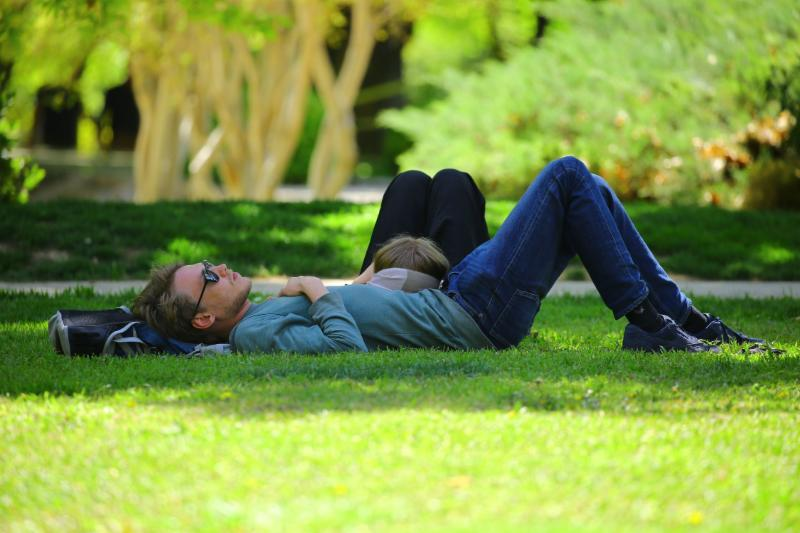
While it’s true that a short walk after eating enhances digestion and and many studies support this, a period of rest and relaxation supports digestion too. There’s really no need to feel guilty for wanting to lie down after a large meal, it’s actually a natural signal from the body communicating its needs. Feeling guilty may actually induce stress and stress really is the enemy here. Read more about what happens to your body and digestion in the post, Stress has a lot to do with it.

Whether you choose a walk or a rest, the main idea is to be in a parasympathetic (relaxed) state as much as possible before, during, and after the meal to allow for optimal digestion. This relaxation state sends messages throughout the body that all is well and gives the green light for cellular functions to be performed most optimally.

It really comes down to eating mindfully and slowing way down. Modern life often urges us to consume meals quickly and move onto the next things. Many of us are out of practice with taking our time and enjoying the experience. Consider the following to expand your eating rituals beyond the basic and sometimes hasty consumption patterns.

  • Have gratitude for the food that will be nourishing your body.
  • Take your time with the meal. Notice what you are eating and how it smells and tastes.
  • Take small bites and chew thoroughly. Chewing is an important part of the digestive process. Food that is adequately chewed is much more gentle on the digestive system.
  • Take a breath in between bites. As you progress through the meal, notice if you have had enough to eat or if you are still hungry.
  • Eliminate distractions, especially anything with the potential to trigger a stress response.
  • Whenever time permits, allow yourself time to rest after a meal. Have a conversation, read a book or magazine, or just lie down for a few minutes before moving into a new activity.

Enjoy your Spring celebrations and enjoy resting this season too. Bring in the power of rest and digest to your digestion and your health.

Important Role of Omega-3s

Our bodies are of such a complex machinery that it’s important to spiral back to various things from time to time to be sure we are getting everything we need and doing everything we can for optimal vitality.

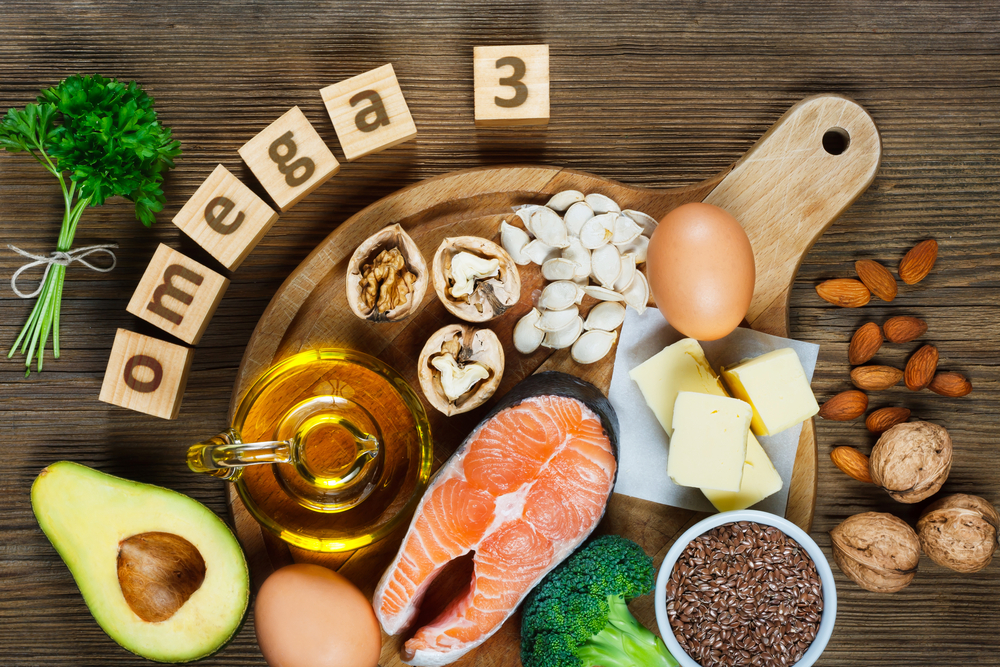
Omega-3’s are “essential” according to the Harvard School of Public Health. The DHA, EPA, and ALA contained in Omega-3 fatty acids support mental and emotional health including depression, anxiety, and ADHD; and studies have related adequate Omega 3 levels to hormone health, joint and muscles comfort, weight regulation, and overall cellular health and inflammatory markers. New studies are being done on the relationship of Omega-3s to sleep. A study at Oxford found that lower DHA levels are related to lower melatonin levels. Melatonin is also related to immunity. I’ll write more about that in an upcoming piece about Circadian Rhythms.

Did you know that the brain is made of 70% fat? If it doesn’t get enough nourishment, it won’t work properly. This can lead to depression, anxiety, memory loss, and more. EPA and DHA are both necessary for brain function. These are the “healthy fats” you may be hearing about as a very important part of the diet. Post-mortem research on Alzheimer’s disease has shown that those who suffered the worst cases had less Omega-3 present in the brain tissue than those studied in the control group.

Omega-3 fatty acids interact with our cellular membranes – all of the trillions of them –  providing important feedback for all systems to function in top shape. Inadequate Omega-3s in the diet will actually disrupt cellular signaling which can trigger fat storage, hormone imbalance, and inflammation.

It’s always best to increase Omega-3 fatty acids or any essential nutrition with whole foods. Fatty cold water fish such as salmon, herring , mackerel, and sardines and great sources. Grass fed meat is another source. You may notice a yellowed coloring in the fat of grass fed meat, that’s actually the grass diet being converted into healthy fats. Non-meat based sources include flax oil, flax seeds, hemp seeds, chia seeds, eggs, avocado, and walnuts. Add these to any meal to increase nutritional density.

You may find it easiest to take a supplement like fish oil or cod liver oil. Look for highest quality you can find. Read the label and look for DHA and EPA in the ingredients as well as minimal ingredients for highest purification. Your health care provider may have a recommended brand or I always like to ask at the local health store as they are most familiar with the products they stock.

Rules to live by: The Four Agreements

I believe there are lessons and truths coming from all traditions. The Four Agreements by Don Miguel Ruiz is a spiritual book based on the wisdom of the Toltecs in North America.  I listen to the short audiobook a couple of times per year and each time there is a message that seems to be just for me in that moment, something new to teach me.

What I love about the Four Agreements is that they are meant to apply to only yourself. “It is a way of life where there are no leaders and no followers where you have your own truth and live your own truth.”  There’s no confession, no metric involving others, it’s just you and how you show up in the world each day. It has become a sort of anchor for me when I feel like I’m not totally in alignment with my best self.

That doesn’t mean it’s a free for all and you can do whatever you want; your truth, my truth, and each of our own truths are to be grounded in the framework of the Four Agreements. It also doesn’t mean that it’s easy, but it does allow freedom from the expectations you may be surrounded by in your life. Another aspect that attracts me to the Four Agreements is that they have a way of de-personalizing spirituality in a manner that makes it possible to have a conversation about things that might otherwise be uncomfortable. When my kids were in middle school and high school, we might talk about which one is the most challenging for each of us right now and why. It’s simple, down to earth language that also digs into the root and the essence of more serious issues.

Finally, I have yet to find myself in a challenging situation that doesn’t in some way come back to a misalignment with one of the agreements. With this understanding, life situations can be easier to process and move on without the baggage. At some point, I will dedicate a post to each agreement on its own, but for now (imagine a drumroll because I know you’ve been waiting for it) The Four Agreements:

1 – Have impeccable words. Your words and thoughts matter. Mind what you say out loud, in writing, and even in your thoughts. After all, “in the beginning was the word…” We get to choose each day to use our words to be constructive or destructive.
2 – Don’t take things personally. Most of the time it’s not about you anyway. Let others handle their own energy, and stay focused on your own.
3 – Don’t make assumptions. In any given situation, there are so many variables and aspects that it is quite unlikely that you could possibly know and understand the full picture.
4 – Do your best. Do your best with these rules and in all that you pursue in your life. You will find yourself able to relax with no regrets at the end of each day.

I encourage you to read the book for itself because it contains so much wisdom and is full of treasures that will be received very differently from one to another. By tethering your own life to this simple framework, you will possess the great potential to bring out the best in yourself and those around you.

Blue Skies and Boys’ Trousers

This is a story I wrote based on my travels in 1995 which included an Easter visit to my friend’s family home in Cornwall near Bude. It was such beautiful week spent there and has been memorialized frequently over the years with this old and timeless expression of hope while navigating through turbulent times. Thank you Rob for inviting us to the special place that was your childhood home in Cornwall and to Christine for hosting us with such love and warmth fully inclusive of the candor of local language. 

We walked into the kitchen for breakfast as Christine put the kettle on and peered out the kitchen window at the sky. The spring weather was predictably unpredictable. Pilar and I were laughing about how we’d been caught in sudden downpours of rain nearly every day since we’d arrived in Cornwall.

“We were lucky to even make it back up the stairs from Merlin’s cave, the railing was so slippery and we were so soaked already!” I said. We had burst out into hysterical laughter when that downpour came. Like, of course it would just start raining when it had been clear and sunny only minutes before. It had become our way of dealing with unfortunate and unexpected circumstances. “Murphy’s Law,” we would chant in unison. Cancelled trains, spilled coffee, empty wallets, we would simply shrug, laugh, and regroup.

Just remembering the climb up from the cove nearly made me spit the bite of muesli and milk across the table. Christine smiled as she dropped the teabag into the floral mug and grabbed the milk from the refrigerator. She loved having a houseful again and was enjoying meeting Rob’s friends from California. Since her youngest daughter had left for university in September, she’d been living alone for the first time in her life. Rob lived in London now and had invited Renee and Pilar for Easter week as a part of their big European backpacking trip.

“Ohmigod!” Pilar said, “and when Rob took us on that shortcut across the pasture with the cows grazing; you shoulda seen the look on your face when he climbed the fence with the no trespassing sign and we were meant to follow him.”

“Come on, that’s not fair, this kind of land in California would have electrical fences around it,” I rebutted; then continued, “Yea, but it was totally worth it in the end because we made it to the café for cream tea before it started bucketing.”

“Mmmm,” she said, closing her eyes and recalling the creamy goodness, “that cream tea was the best. I am in love with clotted cream.”

Rob strolled into the kitchen and chimed in, “Cornish clotted cream is the best,” in case we would ever be in doubt about that.

“Good morning,” Christine said as she poured the hot water in the mug. “How’s your granddad?”

“He’s well,” Rob said “He’ll give us a ride to Boscastle tomorrow. I want Renee and Pilar to experience authentic Cornish pasties.”

“He’s so happy you and your sister are home this week. He just loves giving you both rides and showing off Cornwall to your friends.” She spooned out her teabag and added a splash of milk.

As Oasis’ latest single, “Some Might Say” escaped the small speaker of the old kitchen radio, Christine sipped her tea continuing to look out the window while listening to us chat.

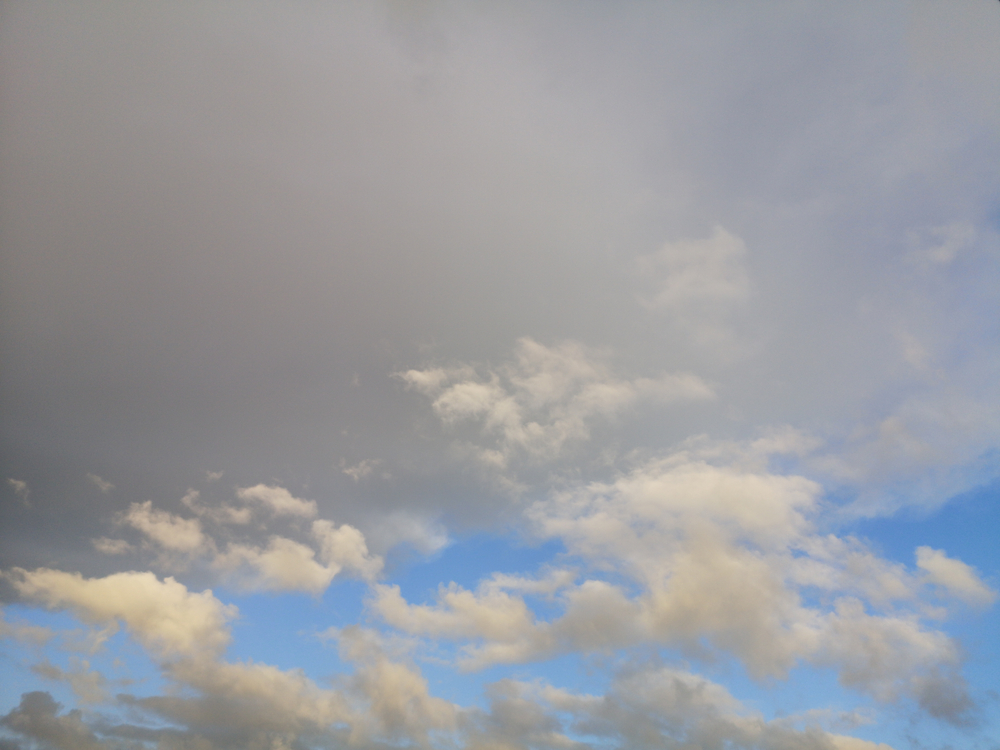
Then, she took a deep, satisfying breath and said, “Well, there’s enough blue in the sky for a pair of boys’ trousers. It’s all going to be ok.”

Pilar stopped eating, looked up, and asked, “What do you mean?”

Christine put her cup of tea down on the counter and pointed out toward the horizon where the sea and sky blended into one. “Over there,” she said with delight, “there’s a big patch of blue sky.”

We cautiously started to giggle because we couldn’t make sense of what she was talking about. Blue sky? Boys’ trousers? “But what does that mean?” she repeated.

Christine continued, “It’s an old expression that comes from seagoing weather lore. In many versions, there are sailors’ trousers or Dutchman’s trousers, both of which were the thick and boxy type and often blue. So that patch of sky over there is big enough for some boys’ trousers. It means that, it’s going to be ok and the weather, or the storm as is often the case, will pass.”

“What a funny expression,” I retorted, “but I kind of like it.”

We cleaned up breakfast and headed out for another walk on the coastal path. Today we would stop in and meet Rob’s friend who worked at one of those cafés right along the path. It was so charming how they just put some tables and chairs out from the house and served tea, cold drinks and snacks, usually home-baked goods or packets of crisps. We kept making the mistake of ordering lemonade expecting the California version and getting the British version. It was hard to understand how something with the same name could be so completely different.

When we returned in the afternoon, the blue sky was filling in with clouds. Christine was sitting out in the garden reading. As she noticed our arrival and her expression changed from peaceful to concerned.

“Hi! How was your day?” she asked. She couldn’t hold it in any longer and spilled the news and without hesitation she continued, “Renee, your dad called. Your grandmother is in the hospital again. It’s more serious this time. Your mom, dad, and brother are already heading to Pennsylvania. He will call and update you once they have arrived.”

I felt suddenly deflated. “I thought the surgery had removed the tumor and she was ok now. I don’t understand.” The sky darkened as a big gust of wind passed across the ridge toppling over some of the garden furniture. By now we had learned that a downpour was eminent.

“I’m so sorry. I know this is unexpected news for you. Let’s all go in and I’ll make a fresh pot of tea. You can tell me about your day,” Christine said as she pushed in her chair and gathered her book.

I didn’t sleep well that night. The rain had continued steadily and I had a constant nagging that I should be with my family, that my grandmother was in serious condition and I was so far away. If she didn’t make it, it would be almost impossible for me to go back right now to say good-bye to her.

The next morning, as promised, Rob’s granddad came to collect us. My thoughts were heavy and we all sat quietly for the short ride on the gray, overcast morning. As we came around the bend which exposed the sea into view, Pilar perked up and pointed, “Look Renee,” she encouraged, “there’s enough blue in the sky for a pair of boys’ trousers. It’s all going to be ok.”

I received the good omen and laid my head on her shoulder, “Yes, somehow, it’s going to be ok.”
Breathe in, Breathe Out

“Breath is the finest gift of nature. Be grateful for this wonderful gift.”
                                                                                      -Amit Ray

Breathe in.
Breathe out.
Breathe in and feel your lungs expand.
Breathe out, and feel the air exiting your body.
Breathe in deeply.
Exhale completely.

In less than sixty seconds, those three short breaths set off a cascade of health benefits in your body and mind. Do it for a full two minutes a couple times a day and you’ll wonder why you haven’t known this secret your whole life.

While we can survive for days without food, and hours without water, oxygen is an essential every minute of the day. Intentionally filling our bodies with life giving oxygen and releasing the toxic carbon dioxide throughout the day allows for a continual state of renewal of each and every system of the body.

The restorative practice of deep breathing…

…brings oxygen into the body, increasing energy.

…releases toxins during the exhale, leaving you feeling lighter.

…enhances the respiratory system.

…improves the cardiovascular system when oxygen circulates deeply in the body.

…lowers blood pressure.

…regulates heart rate.

…encourages better posture.

…promotes feelings of calm and relaxation by reducing stress in the central nervous system.

…improves digestion and supports healthy elimination.

…boosts immunity.

…releases muscle tension.

…relieves pain through the release of endorphins.

…improves libido.

…stimulates the lymphatic system.

…encourages better posture.

…increases focus and learning.

…allows clarity of thought and concentration.

…sparks creativity.

…relieves feelings of anxiety, depression, worry, anger, fear, and other negative thought patterns.

…improves mood.

…supports youthfulness.

Slow down and breathe to get on the fast track to your own optimal health.

Feelings come and go like clouds in a windy sky. Conscious breathing is my anchor.
-thich nhat hanh

Recommended reading list – so many great books!

Long and lazier days of summer make it perfect for lots of reading. In addition to those fun beach reads, I like to include some books to learn more about living my best life. Speaking of which, I’ll be going offline for a couple weeks and I’m looking forward to being present and in the moment without the distractions of devices and that includes diving into some good reads.

I’ve done a lot of reading in the last few years about all kinds of health and wellness and mindfulness topics, in the end, they tend to have a lot in common and come to similar conclusions. We each just get there via our own unique routes.

All of us experience personal and unique situations and are surrounded by loved ones who too face a variety of realities. I’ve sorted this list to be able to hone in on whatever topic will be most useful case by case. I have read most of these books, in occasional situation that  I haven’t read the book, I have heard the author speak at a conference. And of course there are others that could be included in this list, but these are the ones that I have had the pleasure of reading and learning from. Each one has changed me for the better in some way or another.

While I had hoped to annotate this list and provide some explanations, it became too long to describe each one and descriptions are readily available online. I wouldn’t be surprised at all if you have heard of many of them and you might see one that you’ve been thinking of checking out. The titles with asterisks next to them have been particularly influential for me personally and I refer to them often.

It’s an complete and diverse list, I know. Not sure where to start? Close you eyes, take a couple of deep breaths, and then have a look and see which title you are most drawn to. Don’t second guess yourself and trust your intuition.

I have referred to all of these as “books”, but truth be told, I listen to many them in the audiobook version. I love listening to a book while going for a walk or taking care of ordinary household tasks. I was skeptical of listening at first because I love holding a book in my hand. It actually turned out to be one of those win-win situations because now I don’t have to choose each day between going for a walk and reading a book, I can do both simultaneously and I love it! In the case of many non-fiction books, for me it feels like I am listening to a speaker at a workshop and sometimes makes challenging information even easier to understand than it were reading it.

As for me, I am reading A New Earth by Eckhart Tolle and rereading You Are the Placebo by Dr. Joe Dispenza this summer. One book I’m reading together with a mindfulness book club and one of them I’m reading together with a couple friends who are in the process of recovering from cancer treatments. Consider finding a friend, or a family member or a group and read a book together. My hope is that this list will be a useful reference all year long when needing to learn and have a greater understanding about life in a variety of contexts.

Whether you are taking a big trip or staying local enjoying the pleasures of the season, have a wonderful summer and read a book to learn something new!

Mindfulness, Spirituality, and Healing
A New Earth by Eckhart Tolle
The Four Agreements by Don Miguel Ruiz *
You are the Placebo by Dr. Joe Dispenza
Chakras for Beginners: A guide to balancing your chakra energies by David Pond
Return to Love by Marianne Williamson
Expectation Hangover by Christine Hassler
You Can Heal Your Life by Louise Hay

Mindset
Better than Before by Gretchen Rubin *
Essentialism by Greg McKeown
The Power of Habit by Charles Duhigg
Drive by Daniel H. Pink
Antifragile by Nassim Taleb

Lifestyle
The Primal Blueprint by Mark Sisson *
Light Out: Sleep, Sugar, and Survival by T.S. Wiley
Why We Sleep by Matthew Walker
Play: How it shapes the brain, opens the imagination, and invigorates the soul by Stuart Brown and Christopher Vaughan *

Understanding our food supply and dietary choices
The Big Fat Surprise by Nina Teicholz **
Why We Get Fat by Gary Taubes
The Dorito Effect by Mark Schatzker
Salt, Sugar, Fat by Michael Moss
Wired to Eat by Robb Wolf

Mental Health
Grain Brain, by Dr. David Perlmutter
Anatomy of an Epidemic by Robert Whitaker *
Change Your Brain, Change your Life, by Dr. Daniel Amen
ADHD Nation by Alan Swartz
Mad in America by Robert Whittaker

Cancer
Radical Remission by Dr. Kelly Turner
The Metabolic Approach to Cancer by Dr. Nasha Winters
Deep Nutrition by Dr. Catherine Shanahan *

Women
Women’s Bodies, Women’s Wisdom by Christiane Northrup
21-Day Hormone Reset Diet by Sara Gottfried
A Mind of Your Own by Kelly Brogan

Autoimmune Disorders
The Autoimmune Solution by Amy Myers
The Wahls Protocol by Dr. Terry Wahl

GI Issues
Wheat Belly by Dr. William Davis

Fasting
The Science and Fine Arts of Fasting by Herbert M. Shelton *
The Obesity Code by Dr. Jason Fung

Memoirs
Becoming by Michelle Obama
The Salt Path by Raynor Winn

Creativity
The Artist’s Way by Julia Cameron
The War of Art by Steven Pressfield
Big Magic by Elizabeth Gilbert

For Fun
Around the World in Six Glasses by Tom Standage
Consider the Fork by Bee Wilson
A Curious History of Food and Drink by Ian Crofton
Salt: A World History by Mark Kulansky

5 Steps to Boost your Immunity NOW!

***This post was originally published in February 2020 a few weeks before the global lockdown. We know a lot more now about immunity and wellness and the importance of taking care of ourselves. Even as we are increasingly vaccinated, you will always get a good ROI when it comes to supporting your health and wellness..***

Even without the global threat of the coronavirus, it’s that time of year that we want to fortify our immune systems and get through the final weeks of winter.

Assuming the obvious vigilance in hand washing and hygiene, here are the other basics that are important to attend to for a robust immune system. You’re probably already doing most of them already and the added confidence will provide an even greater boost!

1 – SLEEP really is the best medicine. We are exposed to all kinds of threats every day and our bodies are equipped for survival. While it may seem like a passive strategy, healthy sleep patterns and periods of deep restorative sleep are the best defense. Wired within our cellular structure, biochemical processes and circadian rhythms are programmed to get to work when the sun goes down so that we will wake up fresh when the sun comes up again the next day. Sleep really is worth prioritizing. Whatever you need or want to be doing, it won’t happen at all when you are sick, so be sure to get your zzz’s every night.

2 – EAT your Vitamins! Fill your plate with immune boosting foods full of vitamins and antioxidants. Fresh, local, organic produce is always best. Foods high in antioxidants and full of nutrition include: oranges, grapefruit, blueberries, spinach, sweet potatoes, turmeric, garlic, beets, bell peppers, broccoli, ginger, sunflower seeds, almonds, yogurt, poultry, chicken broth, and shellfish.

AVOID foods with refined sugars and alcohol when possible as they share metabolic pathways with important vitamins like vitamin C.

3 – MOVE your body. It’s not necessary to do intense workouts or rigorous sprints; however, moving is important in terms of immunity because it stimulates circulation and the lymphatic system. The lymphatic system is an important part of the body’s immune system and has a large role in eliminating waste from the body. Lack of movement can cause the lymph to stagnate increasing the risk of infection. Brief sessions of full body stretching, short walks, taking the stairs, dancing to your favorite song, find something fun to incorporate movement into your day.

4 – REDUCE STRESS. It’s easier said than done, but stress is real and plays a massive role in immunity. When under stress, cortisol is released and important body functions cease to operate in order to direct more energy to manage the stressful event. Our immune response is reduced when under stress and is recovered once stress is controlled and managed. One simple way to reduce the body’s stress response is the stop and take deep breaths for a period of just 2 minutes. This short period of focusing on breathing will being the body back to a point of calm. Other stress reducing activities include a journaling, a chat with a friend, yoga, meditation, listening to music, a cup of chamomile tea, a walk in nature, or even a nap.

5 – LAUGH OUT LOUD! Really, do it, don’t just say LOL. Joy and laughter flood the body with the powerful hormone oxytocin boosting immunity through a sense of safety, security, and contentment. Even Greek tragedies and Shakespeare plays include a jester to provide comic relief to the story lest we wither too far into despair and sadness. It’s no different in our own lives despite the challenges and situations that we are dealing with. Go out and watch the latest comedy film, tell jokes, dress up in silly costumes, figure out what makes you laugh and include that in your weekly routine.

(originally published February 2020)

What is the origin of feasting and other traditions in December?

The days are getting shorter and darker and the trees now stand bare. The streets and neighborhoods are filled with lights and decorations. Everyone is in a flurry of feasts and festivities the entire month of December. It’s fun to indulge in all of the traditions and it’s special because it only comes once per year. While I greatly enjoy all of the fun and merriment, I’ve become interested in where these customs come from and why do we hold onto them so dearly. For many people, it seems that we are drawn to these rituals at a deeper level beyond annual traditions. We anticipate them and they comfort us each year. I’m just skimming the surface of investigating some of the origins of my own holiday traditions, and knowing where they came from makes them even more meaningful as I progress through the month of December. It all starts with the sun and the seasons.

Winter Solstice celebrations traceback to ancient times. Great monuments, structures, and pyramids were built with openings to mark the sun at its lowest point in the cycle. They can be found at Stonehenge in England, Newgrange in Ireland, Tulum in Mexico, and Cerro de Gentil in Peru, just to name a few. These special portals served as a type of calendar to inform the people that the days would be now be getting longer and the sun would return. This was important for survival and managing the deep winter weeks to follow. Solstice festivities included feasts and celebrations that the dark period was complete and that life would be made new again. The deep winter months were known for scarcity of food, so it would be important to take advantage of the feast because there wouldn’t be much to live on in coming months. In preparation for a period of relative hibernation and scarcity, the cattle were slaughtered at this time because there would be no food for them during the cold months. Beer and wine that had been fermenting since spring was finally ready to enjoy. Add in the root vegetables and the remaining harvest of late fall, and this was a time of plenty and it was a matter of survival to partake in the abundance. It’s also important to note that the food supply would have already been limited in the late fall and early winter. The people were most likely hungry and anticipating the slaughter and the feast.

In western cultures with such a central focus on Christmas, the Christian celebration of Jesus’ birth, it can be easy to lose sight of the fact that many traditions that we follow are much older than Christianity and Christmas. These customs have evolved from country to country and family to family, and they are filled of the spirit of our ancestors. It turns out that the Christians chose late December for their celebration because coincided with already existing pagan solstice festivals. As Christianity spread wide and far, it intermingled with local rituals and many were adopted into Christianity. Even the Christmas tree and gift giving came from Pagan traditions that were later reframed in a Christian context.  There’s symbolism about just about everything related to Christmas.

The Yule Log holds such lore that there is a Yule log channel on the television or live stream via the internet on your screen to get the effect. The Yule log was at the center of the solstice festival. It dates to pre-Christian times and appears to have its roots in Germany and Scandinavia. It represents the light and warmth of the sun and and burned continuously throughout the days of the solstice period to bridge the old cycle with the new cycle. The use of candles and lights during the days leading up to solstice were also a custom to represent to light returning after the darkest day of the solstice. Later, the Yule Log and candles became part of Christian Christmas traditions.

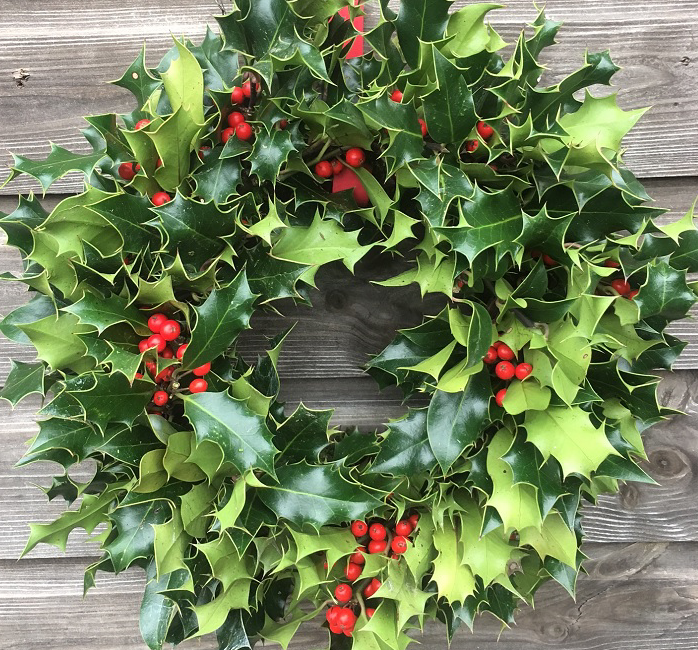
Indoor Christmas trees and tree decorating them is said to have begun in Germany in the 16thcentury. Prior to that, it was a pagan tradition to bring fir and evergreen branches into the home around the solstice period. Evergreen boughs and holly were hung above doors to ward away evil spirits, ghosts, and illnesses. Evergreen was a symbol of everlasting life and was used by the druids, the Vikings, and the Romans. Households of German immigrants to the United States were most likely to have Christmas trees inside the house in the early 19thcentury. In the UK, very few had Christmas trees until Queen Victoria and Prince Albert, himself a German who insisted on having a tree in their residence, posed for a family portrait around their Christmas tree. This increased its popularity greatly and spread to the United Stated in later decades. Another plant, mistletoe, was a symbol of love and friendship in Norse mythology and traditions of hanging it go back to the ancient druids to bring good luck. At one point it was considered such a pagan tradition that it was banned as a decoration in churches.

The tradition of gift giving dates back to Roman Solstice festivals and giving to those less fortunate. This evolved into Wassailing and even Boxing Day today. Gifts giving became directed toward children in the 19th century. The period of advent was created to mark a fasting period leading up to the celebration of Christmas. Later Advent Calendars were created later with little gifts each day to countdown the days until December 25. Now they are often filled with chocolate or other sweets and especially popular with children.

Mulled wine travelled with Christianity from the Mediterranean to the northern countries and remains a popular seasonal drink called Glögg in Scandinavia in which spices and fruit simmered with warm red wine.  Christmas cookies became popular once trade routes opened up bringing spices and sugar to Europe. These items were expensive at the time and Christmas was a time to indulge in these exotic treats in the form of cookies and other bakes goods. We are enjoying the same holiday flavors of ginger, cinnamon, nutmeg, and cardamom as were enjoyed during medieval times.

The original meanings of our traditions don’t hold the same weight as they once did. We have electricity which lights our rooms beyond the hours the sun provides light. Many of us are not hungry when the Christmas feast is served and will not be on the brink of starvation during the cold months of winter. We are not cold when we are sipping mulled wine at holiday parties. Yet, we are comforted by these traditions the sense that there is something special about them, something connected to our collective history gives us peace.

As many things, the Christmas and holiday season have become more and more commercial and more and more related to food and feasting. We’ve come a long way from the fasting during advent to eating a treat each day. There’s also a theme of Christmas over the years being more and more geared toward children. I remember Christmas being magical as a child and I enjoyed sharing that magic with my own children when they were small. Now that my own children have grown and myths have been demystified, I want to reconnect with that magic of the season. And it’s so simple, a celebration that the darkest day has arrived and a beginning of a new cycle of increasing light has begun. I will light my candles and hang my wreath as one season bridges into another to create the chapters and cycles of my own life.

(Originally published in December 2018)

Stress has a lot to do with it

I would guess that whatever physical or emotional challenges you may be dealing with, stress has a lot to do with it. We hear a lot about stress and that it’s “bad”. But just being told to reduce stress isn’t always very meaningful unless we understand why it’s important. It kind of tends to be this thing happening in isolation when in fact it’s integrated into every part of our cell tissues and system functions.

To continue with the example from last week and daily vitamins and thinking of the body as a car or vehicle, when driven on a smooth open road, all is well and the vehicle can easily accelerate on its way. When there is heavy traffic, when the paved road ends and it becomes a dirt road, or when we go way to fast, conditions are suddenly very different and adjustments must be made. There is stress, the road is no longer open and smooth. If no adjustments are made, the vehicle is at great risk and the vehicle may not survive long. One of the big problems with stress is that we resist or deny it in a futile attempt to carry on without making adjustments. Since this is not sustainable, it becomes inevitable that it would result in some sort of physical or emotional crisis which will vary greatly from person to person and may include weight gain, depression, anxiety, fatigue, poor sleep, uncomfortable digestion, joint & muscle pain, irritability, lack of focus and concentration, just to name a few.

Let’s have a look at what’s happening when we are under stress. Ultimately we have a built in stress response that is meant to protect us, most animals have this. When you are in real danger to your life, you must flee and find safety, that is the only thing that matters. Once the threat has passed, life is meant to carry on peacefully. You may have experienced this in an urgent emergency situation when you seem to have super human strength and are able to manage an extraordinary amount of disruption, you are able to continue with little sleep and little food, those don’t matter, only resolving the crisis matters. In this case, stress is helpful. Stress is also helpful to urge us along with deadlines because failure to meet deadlines has consequences.

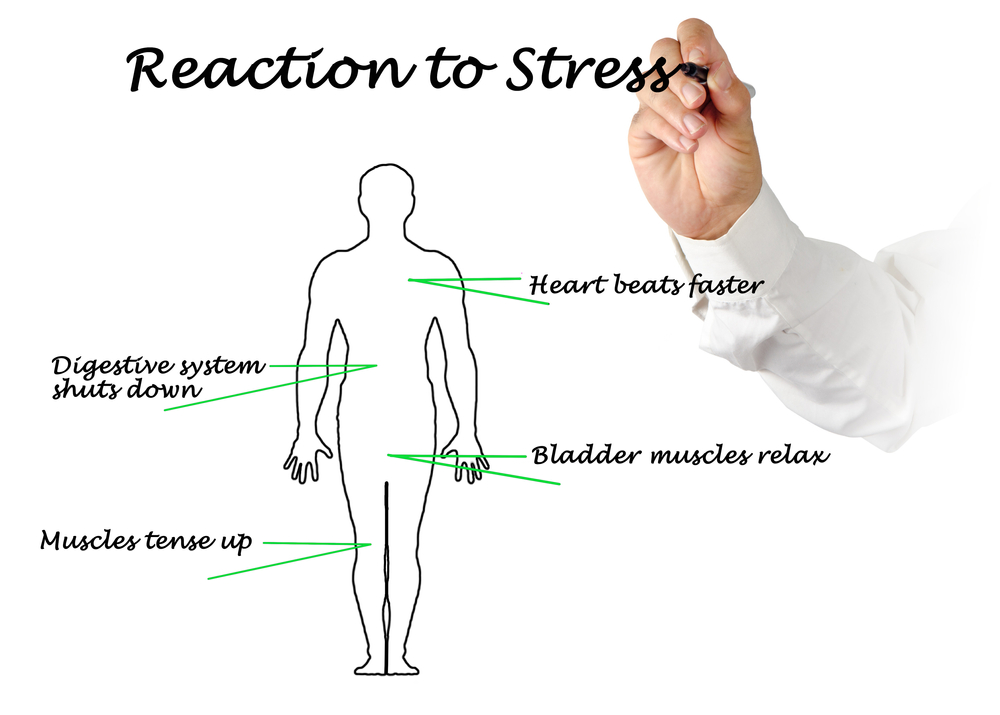
When the body enters the stressful state, the digestion process stops! Yes, pretty much the whole thing from saliva release in anticipation of eating to excretion once nutrition has been absorbed. Think about it, if you are running from a predator, it’s not very handy to have to make a bathroom break along the way. ALL of the energy in the body is directed to getting to safety.  The amygdala in the brain is enlarged to maintain the state of fight, flight, or fright. This is why many people don’t have an appetite in a crisis and when they do eat they may not feel well because the body isn’t able to process and digest the food, so it just sits in the gut.

Sleep is disrupted for the same reason. When there is a threat, one must remain on high alert to survive. Eventually sleep will be necessary, but the body and its intelligence comes equipped with reserves for such situation, like an extra can of fuel in the trunk of the car, or a generator available during a power outage. The adrenal response also includes increased heart rate and blood flow to muscles accelerates to enable fast movement and response.

The problem is that many of us remain in a state of stress far too long and far too often. Many animals will often take a nap, graze, or even play upon being out of danger. Some animals shake and ruffle themselves after a stressful incident. This is releasing any leftover tension to be able to return into a state of calm. There is a period of transition back to an unstressed state signaling digestion to get turned on again and all other systems to down-regulate and recover. Often instead of honoring this need to ease back up to speed, we go for a coffee and attempt to carry on. But now the machine has been on a bumpy road and the wheels are out of alignment and low in air. If we carry on without appropriate care and maintenance, further damage will likely occur and we may end up on a detour because it’s hard to move forward in a straight path with the alignment off.

Can you see how this all works? When you don’t take action to manage the stress in your life, your body remains in a biological survival mode. Your brain is “tired and wired”, and you can’t stop thinking about your problems. You may eat meals, but with the digestive system even partially offline, you will likely experience heartburn, constipation, and weight gain. This is all because the stress center of your brain is still activated and as long as it’s activated, everything else is shut down.

It’s not so much about avoiding stress, but managing it. Acknowledge when you experience a stressful situation and allow yourself the space to recover and realign with your purpose and path. It will be different for each of us. Consider what works for you which may be a walk in nature, a bath, prayer or meditation, a shower, dancing to loud music, journaling, or talking with a trusted friend for family member. Try practicing regularly so that when life gets intense you will have something already in place to support you.

(Originally published February 2021)

Writing Down Your Life: The Joys and Benefits of Journaling

“Fill your paper with the breathings of your heart.” William Wordsworth

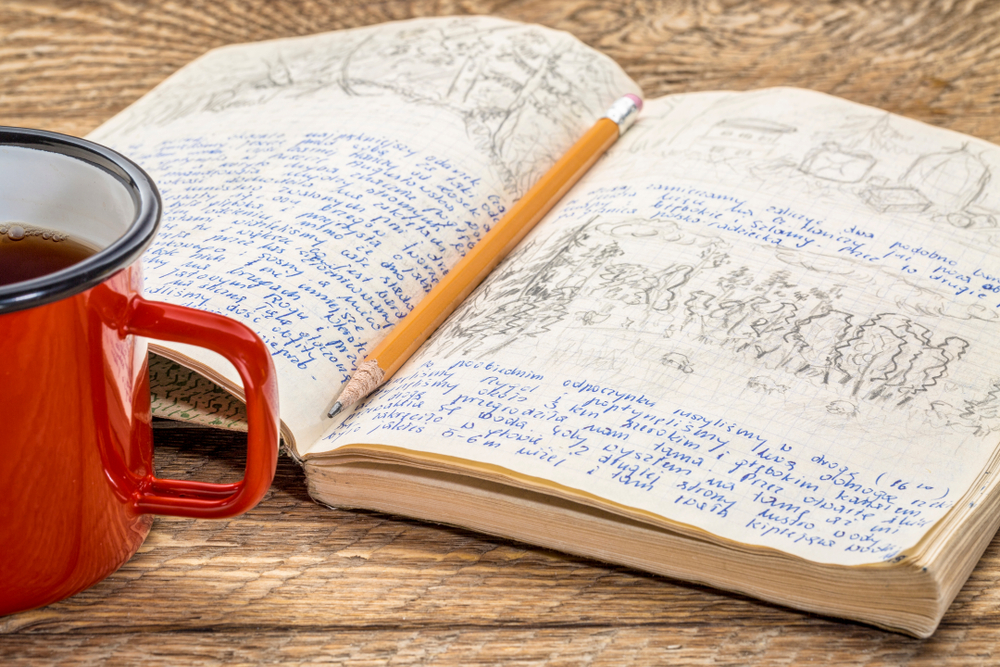
It is a simple and profound ritual performed to gain clarity and insight, capture memories, or just get something off your chest. It can help focus your intentions, stay thankful, keep track of your physical and mental health, or even work through a tricky patch with a child or partner. And in the process, you may lower your blood pressure, reduce anxiety, increase concentration, vocabulary and overall intelligence, and improve your self-discipline and self-esteem.

Interested? All you need is pen and paper.

Journaling is a time-honored way of working through challenges while increasing self-awareness, communication and creativity. 

Writing about your feelings used to be called keeping a diary, and that’s what my first journal was: A sweet little purple diary that Santa stuffed in my stocking the year I was 10. It had a tiny golden lock and key which may have been security overkill for a volume that was mostly devoted to boys I thought were cute. But even then I was hooked on the idea of a place to record whatever I wanted without judgment.

That same feeling of freedom — of being allowed to express and explore my thoughts without critique from teachers, parents or friends — was especially important when I was in high school and full of more angst (though still documenting potential boyfriends). I scribbled in proper bound volumes picked up in stationery stores and museum gift shops, but also on pages of lined notebook paper — daydreams, ideas for short stories, song lyrics, doodlings. When I reread that writing now I am struck by the balance of passionate intensity and utter nonsense — perhaps the very definition of being a teenager.

Writing daily and intensively during a trip can result in a collection that reads like part travel journal, part time capsule. During my year studying abroad in college I wrote every night — recounting, reminiscing, and mostly rejoicing in the magical time I was having with new friends, experiences, sights, and cultures. Of all the souvenirs I picked up during that period of my life, none is more precious to me than those sometimes short, sometimes long, sometimes funny, sometimes heartbreaking accounts of a girl finding herself half a world away from where she grew up. 

Capturing a small bite every day, over a decade or longer, can paint a picture of a life that has breadth and depth, more so than might be achieved trying to “dig deeper” on fewer occasions. You can recap a day through foods you’ve eaten, funny conversations with a child, or an outing with a partner. These days, and for the past 10 years, I’ve kept a page-a-day journal that features just six lines on which to record an entire day. I’m always astonished to see that, though I don’t plan it, I regularly eat the same meal or do a similar activity on the same day each year!

Even if you don’t write daily, dumping jumping thoughts onto an unassuming piece of blank paper can be deeply therapeutic and help you work through worries and fears — no matter if you’re starting a new job, moving countries, becoming a parent, dealing with other types of loss and change, trying to solve  difficult problem, or simply trying to figure out what to do next.

Journaling forces you to stay in the moment (otherwise known as practicing mindfulness), which in turn reduces anxiety and worry, and silences the proverbial “monkey mind.” Getting off the treadmill of overthinking and overanalyzing helps improve sleep and immunity and lowers blood pressure.  

Regular journaling boosts your smarts. Simply by writing more, you’ll naturally increase your word choice and writing stamina. A consistent practice also improves concentration and memory, and can increase self-esteem as you review challenges you’ve overcome. 

And speaking of overcoming challenges, regular writers also increase emotional intelligence by looking inward and becoming aware of patterns and beliefs. By cultivating your own self-awareness, you’ll harness empathy to better understand others, too. Additionally, a commitment to a consistent journaling practice helps focus and strengthen self-discipline in other areas of your life, from an exercise routine to healthy eating.

Still think journaling isn’t for you? Then turn it into something that is, and call it whatever you like. You can create lists, or jot down things you’re grateful for. You can set goals, reflect on projects, or start new ones. You can illustrate your musings using colored markers. When you’re having a hard time communicating face to face with someone, a shared journal can be a helpful tool: You write what you’re feeling, then hand it off for them to respond. (This works especially well with teenagers.) Maybe you’ll decide, as I did, that a travel journal would be a special way to preserve your memories. Your idea of journaling may be one of these or none of these. What matters is establishing a routine, and writing down what’s important to you in the moment. (And you need never start “Dear Diary …” unless you want to.) 

After nearly 40 years of journaling, I can unequivocally say my life is the better for it. My current volume is so precious to me that whenever I travel, it rides shotgun in my purse. It’s a chunky little thing and takes up a fair amount of room, as well as adding weight to my already overloaded handbag. But I think it deserves special treatment. It is, after all, the story of my life.

To Think About:

  1. “Just start writing” can be infuriating advice when a blank piece of paper seems to be mocking you. That’s why journaling prompts can be incredibly helpful. You can buy journals with prompts built in, but Medium.com has a list of 70 suggestions which range from your childhood to your career to your relationships to help spark inspiration.
  2. Establishing a routine can be one of the most significant benefits of journaling. Whether you choose to write first thing in the morning, last thing at night, on the 15th day of the month, whenever there’s a full moon … be consistent and make the time sacred. This is what leads to benefits for mind, body and spirit.
  3. “Bullet journals” have become trendy in recent years, and have expanded the idea of what journaling can be. Equal parts day planner and to-do list, they incorporate illustrations, calendars, goals and inspiration. If you are new to journaling or want your journal to aid your productivity or efficiency in addition to your mindfulness, this may be a good place to start.

by Stefin Kohn, Contributing Writer