Summer Sweet Summer

I love summer so berry much. and I’m feelin’ peachy keen!

Summer is here and that’s the best time to eat local and seasonal as there tends to be plenty of food everywhere.

Remember that from an Ayurvedic perspective, we are always somehow striving to be in balance both with ourselves in context of body, mind, and spirit, and within the greater surrounding environment. Each part of the organism interacts and influences the other in both contexts. This is a continuous process, and the goal is to maintain balance.

Our cells contain circadian programming based on the daily fluctuations of light and seasonal distinctions of the weather and what is locally harvested. For example, in the spring, it tends to be wet, damp, and muddy requiring dry and light foods to balance out the heaviness of the saturated ground and the first sprouts and bitter greens are ready to do the job.

As we are moving into summer, things are drying up and the ground is dry. The air is also warm and we are active for many more hours of the day with the sun setting so late and dawn coming so early. Again, nature provides and we will find just what we need at the local farmers’ markets and on the produce shelves ready to nourish our bodies.

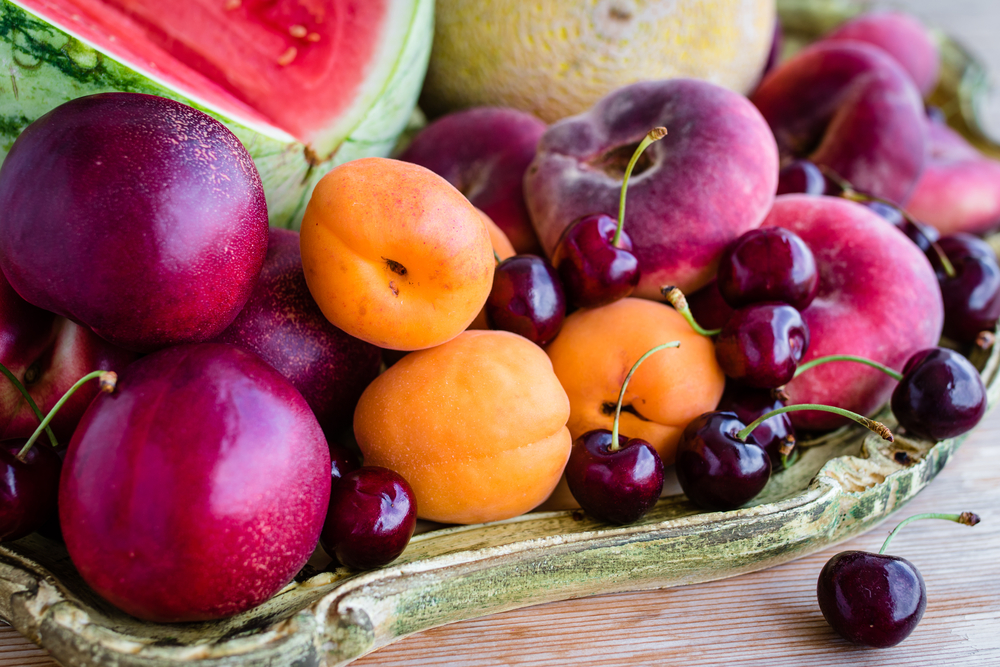
The best part about summer is that it is the season to enjoy sweet berries, melon, and stone fruits so support those active days, rehydrate, and even get some electrolyte replenishment in the heat. An example of this is adding salt and/or chili to melon and other tropical fruit and pairing melon or stone fruit with prosciutto or other cured meats. These fruits are also extra special because it’s such a short season you really have to enjoy them in the moment. Look out for recipes and dishes in local restaurants that celebrate the season.

Sticking with the Ayurveda theme to inform best choices, the best foods of summer will be sweet, cooling, oily, and continue with the bitter and astringent from spring to balance it out. On a hot day you may enjoy a smoothie or a cucumber salad or a gazpacho. In mild or cooler weather and on rainy days, you may prefer something warm or spicy. It’s also very individual and not rigid, and also something interesting consider. Meat and eggs are also less predominant in summer as there is so much bounty from the land, so really check in with yourself about what your body best needs for nourishment.

I will be sharing some summer recipes in the coming weeks so keep an eye out for that and if you are in the Facebook Group, go ahead and post something that you find.
If you aren’t in the Facebook Group, Click Here to Join.

Seasonal Fruit for SUMMER (harvest time will vary from early summer to late summer and early fall and you should notice that there is much more variety during summer than there was in spring):

  • Apples, Apricots, Blueberries, Cantaloupe, Cherries, Dates, Figs, Grapes,Guavas, Mangoes, Melon (all), Nectarines, Papayas, Peaches, Pears, Persimmons, Pineapples, Plums, Pomegranate, Raspberries, Strawberries

Seasonal Vegetables for SUMMER:

  • Alfalfa Sprouts, Arugula (Rocket), Artichokes, Asparagus, Avocados, Basil, Bean Sprouts, Beets, Bell peppers, Bitter Melon, Cabbage, Carrots, Cauliflower, Chicory, Cilantro, Collard Greens, Corn, Dandelion, Eggplant (Aubergine), Endive, Fennel, Green Beans, Jicama, Kale, Lettuce, Mushrooms, Mustard Greens, Okra, Parsley, Peas, Radishes, Seaweed, Snow Peas, Spinach, Squash, Sweet Potatoes, Swiss Chard, Tomatoes, Turnip Greens, Watercress, Zucchini (Courgette)

These are the fruits and vegetables of spring and is not an inclusive list as there are plenty of local varieties from place to place. You may find yourself reducing your consumption of heavy meat or dairy dishes in the summer and leaning to lighter chicken and fish or lentils, chick peas, and other legumes.

Be sure to include healthy fats from avocados, olives, coconut, and almonds, macadamia, and other nuts.

Enjoy the sweetness of the summer and take this as an opportunity to choose something fresh over something packaged. That flyby season of cherries really is a treat like no other!


Important Role of Omega-3s

Our bodies are of such a complex machinery that it’s important to spiral back to various things from time to time to be sure we are getting everything we need and doing everything we can for optimal vitality.

Omega-3’s are “essential” according to the Harvard School of Public Health. The DHA, EPA, and ALA contained in Omega-3 fatty acids support mental and emotional health including depression, anxiety, and ADHD; and studies have related adequate Omega 3 levels to hormone health, joint and muscles comfort, weight regulation, and overall cellular health and inflammatory markers. New studies are being done on the relationship of Omega-3s to sleep. A study at Oxford found that lower DHA levels are related to lower melatonin levels. Melatonin is also related to immunity. I’ll write more about that in an upcoming piece about Circadian Rhythms.

Did you know that the brain is made of 70% fat? If it doesn’t get enough nourishment, it won’t work properly. This can lead to depression, anxiety, memory loss, and more. EPA and DHA are both necessary for brain function. These are the “healthy fats” you may be hearing about as a very important part of the diet. Post-mortem research on Alzheimer’s disease has shown that those who suffered the worst cases had less Omega-3 present in the brain tissue than those studied in the control group.

Omega-3 fatty acids interact with our cellular membranes – all of the trillions of them –  providing important feedback for all systems to function in top shape. Inadequate Omega-3s in the diet will actually disrupt cellular signaling which can trigger fat storage, hormone imbalance, and inflammation.

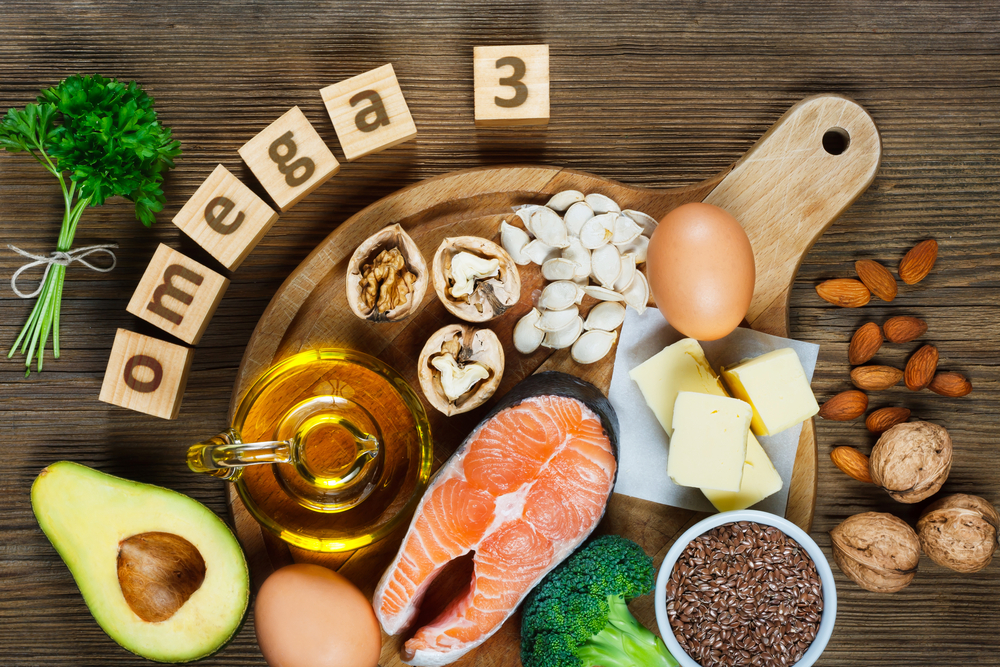
It’s always best to increase Omega-3 fatty acids or any essential nutrition with whole foods. Fatty cold water fish such as salmon, herring , mackerel, and sardines and great sources. Grass fed meat is another source. You may notice a yellowed coloring in the fat of grass fed meat, that’s actually the grass diet being converted into healthy fats. Non-meat based sources include flax oil, flax seeds, hemp seeds, chia seeds, eggs, avocado, and walnuts. Add these to any meal to increase nutritional density.

You may find it easiest to take a supplement like fish oil or cod liver oil. Look for highest quality you can find. Read the label and look for DHA and EPA in the ingredients as well as minimal ingredients for highest purification. Your health care provider may have a recommended brand or I always like to ask at the local health store as they are most familiar with the products they stock.

5 Steps to Boost your Immunity NOW!

***This post was originally published in February 2020 a few weeks before the global lockdown. We know a lot more now about immunity and wellness and the importance of taking care of ourselves. Even as we are increasingly vaccinated, you will always get a good ROI when it comes to supporting your health and wellness..***

Even without the global threat of the coronavirus, it’s that time of year that we want to fortify our immune systems and get through the final weeks of winter.

Assuming the obvious vigilance in hand washing and hygiene, here are the other basics that are important to attend to for a robust immune system. You’re probably already doing most of them already and the added confidence will provide an even greater boost!

1 – SLEEP really is the best medicine. We are exposed to all kinds of threats every day and our bodies are equipped for survival. While it may seem like a passive strategy, healthy sleep patterns and periods of deep restorative sleep are the best defense. Wired within our cellular structure, biochemical processes and circadian rhythms are programmed to get to work when the sun goes down so that we will wake up fresh when the sun comes up again the next day. Sleep really is worth prioritizing. Whatever you need or want to be doing, it won’t happen at all when you are sick, so be sure to get your zzz’s every night.

2 – EAT your Vitamins! Fill your plate with immune boosting foods full of vitamins and antioxidants. Fresh, local, organic produce is always best. Foods high in antioxidants and full of nutrition include: oranges, grapefruit, blueberries, spinach, sweet potatoes, turmeric, garlic, beets, bell peppers, broccoli, ginger, sunflower seeds, almonds, yogurt, poultry, chicken broth, and shellfish.

AVOID foods with refined sugars and alcohol when possible as they share metabolic pathways with important vitamins like vitamin C.

3 – MOVE your body. It’s not necessary to do intense workouts or rigorous sprints; however, moving is important in terms of immunity because it stimulates circulation and the lymphatic system. The lymphatic system is an important part of the body’s immune system and has a large role in eliminating waste from the body. Lack of movement can cause the lymph to stagnate increasing the risk of infection. Brief sessions of full body stretching, short walks, taking the stairs, dancing to your favorite song, find something fun to incorporate movement into your day.

4 – REDUCE STRESS. It’s easier said than done, but stress is real and plays a massive role in immunity. When under stress, cortisol is released and important body functions cease to operate in order to direct more energy to manage the stressful event. Our immune response is reduced when under stress and is recovered once stress is controlled and managed. One simple way to reduce the body’s stress response is the stop and take deep breaths for a period of just 2 minutes. This short period of focusing on breathing will being the body back to a point of calm. Other stress reducing activities include a journaling, a chat with a friend, yoga, meditation, listening to music, a cup of chamomile tea, a walk in nature, or even a nap.

5 – LAUGH OUT LOUD! Really, do it, don’t just say LOL. Joy and laughter flood the body with the powerful hormone oxytocin boosting immunity through a sense of safety, security, and contentment. Even Greek tragedies and Shakespeare plays include a jester to provide comic relief to the story lest we wither too far into despair and sadness. It’s no different in our own lives despite the challenges and situations that we are dealing with. Go out and watch the latest comedy film, tell jokes, dress up in silly costumes, figure out what makes you laugh and include that in your weekly routine.

(originally published February 2020)

“Good for you” Pancakes

Are you getting excited about Pancake Day? I didn’t even grow up with Pancake Tuesday, but my husband did and we carried on the tradition with out kids. I especially appreciate it because it’s something to look forward to in February, and we could all use that.

Not everyone needs gluten-free and dairy-free meals, but if you are dealing with inflammation, it’s a good idea to eliminate things in your diet that are known to be inflammatory like sugar, gluten, grains, processed foods, and dairy.

As with most recipes that eliminate grains, it takes trying out a few versions to figure what works best for you in your kitchen.

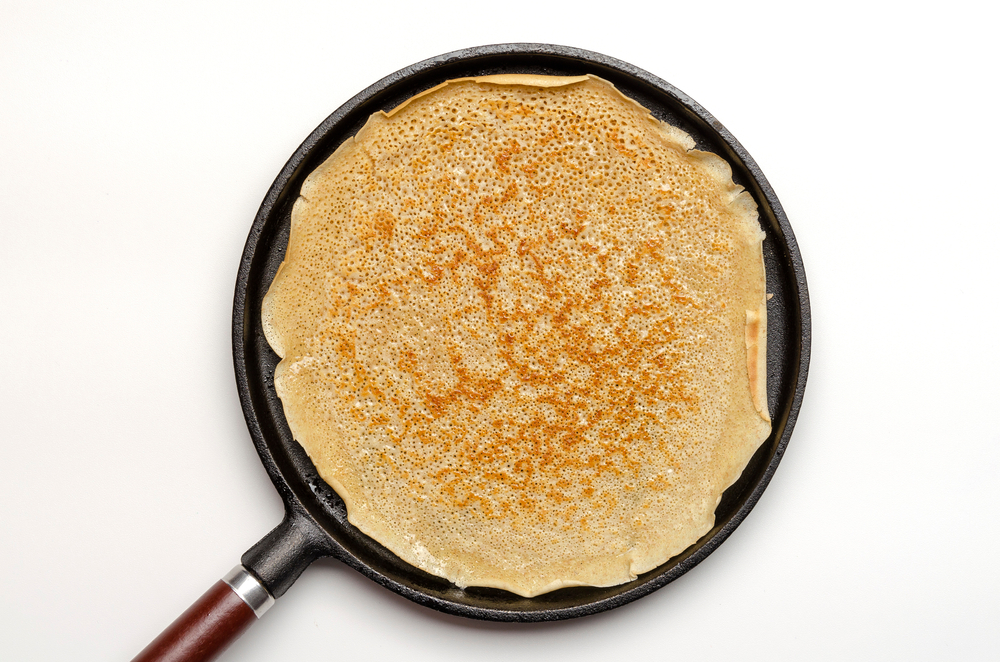
This version tastes like regular crêpes (or pancakes) with ordinary flour. The first time I made them no one even noticed they were gluten and grain-free.

You can choose make them dairy-free with coconut milk, or opt for regular milk, depending on how you and your family tolerates dairy. Have fun with the fillings. We usually make a nice spread with tomatoes, mushrooms, spinach, nitrate-free ham, and cheese and everyone can make their own to their preferences. Be sure to make enough for dessert and fill them with fruit, honey, nuts, and chocolate too!

Gluten-Free Crêpes (Pancakes) Recipe
(Double or triple the recipe as needed. This is the basic recipe and the yield will depend on the size of the pan you are using.)
2 T. coconut flour
2 T. tapioca flour
1/4 t. sea salt
3/4 c. full fat coconut milk OR regular full-fat milk
4 eggs
butter, coconut oil or ghee for preparing

Directions:
1. Sift all the dry ingredients into a bowl to combine.
2. Mix eggs and milk until they are combined.
3. Whisk the wet ingredients into the dry ingredients until well blended and smooth.
4. Melt fat into pre-heated pan and ladle the batter into the pan and tilt the pan around until the surface is covered.
5. Cook for 1-3 min and then flip. When you notice the edges started to be cooked you’ll know it’s about ready to flip.
6. When it’s finished, place it on a place.
7. Continue to make the crêpes until you have used all the batter.
8. Make with favorite fillings and enjoy.

***I like to make these ahead of time when possible. I have a couple of skillets on the stove to warm them up with the fillings. ***

How did it go? I love to see photos of your creations!

Stress has a lot to do with it

I would guess that whatever physical or emotional challenges you may be dealing with, stress has a lot to do with it. We hear a lot about stress and that it’s “bad”. But just being told to reduce stress isn’t always very meaningful unless we understand why it’s important. It kind of tends to be this thing happening in isolation when in fact it’s integrated into every part of our cell tissues and system functions.

To continue with the example from last week and daily vitamins and thinking of the body as a car or vehicle, when driven on a smooth open road, all is well and the vehicle can easily accelerate on its way. When there is heavy traffic, when the paved road ends and it becomes a dirt road, or when we go way to fast, conditions are suddenly very different and adjustments must be made. There is stress, the road is no longer open and smooth. If no adjustments are made, the vehicle is at great risk and the vehicle may not survive long. One of the big problems with stress is that we resist or deny it in a futile attempt to carry on without making adjustments. Since this is not sustainable, it becomes inevitable that it would result in some sort of physical or emotional crisis which will vary greatly from person to person and may include weight gain, depression, anxiety, fatigue, poor sleep, uncomfortable digestion, joint & muscle pain, irritability, lack of focus and concentration, just to name a few.

Let’s have a look at what’s happening when we are under stress. Ultimately we have a built in stress response that is meant to protect us, most animals have this. When you are in real danger to your life, you must flee and find safety, that is the only thing that matters. Once the threat has passed, life is meant to carry on peacefully. You may have experienced this in an urgent emergency situation when you seem to have super human strength and are able to manage an extraordinary amount of disruption, you are able to continue with little sleep and little food, those don’t matter, only resolving the crisis matters. In this case, stress is helpful. Stress is also helpful to urge us along with deadlines because failure to meet deadlines has consequences.

When the body enters the stressful state, the digestion process stops! Yes, pretty much the whole thing from saliva release in anticipation of eating to excretion once nutrition has been absorbed. Think about it, if you are running from a predator, it’s not very handy to have to make a bathroom break along the way. ALL of the energy in the body is directed to getting to safety.  The amygdala in the brain is enlarged to maintain the state of fight, flight, or fright. This is why many people don’t have an appetite in a crisis and when they do eat they may not feel well because the body isn’t able to process and digest the food, so it just sits in the gut.

Sleep is disrupted for the same reason. When there is a threat, one must remain on high alert to survive. Eventually sleep will be necessary, but the body and its intelligence comes equipped with reserves for such situation, like an extra can of fuel in the trunk of the car, or a generator available during a power outage. The adrenal response also includes increased heart rate and blood flow to muscles accelerates to enable fast movement and response.

The problem is that many of us remain in a state of stress far too long and far too often. Many animals will often take a nap, graze, or even play upon being out of danger. Some animals shake and ruffle themselves after a stressful incident. This is releasing any leftover tension to be able to return into a state of calm. There is a period of transition back to an unstressed state signaling digestion to get turned on again and all other systems to down-regulate and recover. Often instead of honoring this need to ease back up to speed, we go for a coffee and attempt to carry on. But now the machine has been on a bumpy road and the wheels are out of alignment and low in air. If we carry on without appropriate care and maintenance, further damage will likely occur and we may end up on a detour because it’s hard to move forward in a straight path with the alignment off.

Can you see how this all works? When you don’t take action to manage the stress in your life, your body remains in a biological survival mode. Your brain is “tired and wired”, and you can’t stop thinking about your problems. You may eat meals, but with the digestive system even partially offline, you will likely experience heartburn, constipation, and weight gain. This is all because the stress center of your brain is still activated and as long as it’s activated, everything else is shut down.

It’s not so much about avoiding stress, but managing it. Acknowledge when you experience a stressful situation and allow yourself the space to recover and realign with your purpose and path. It will be different for each of us. Consider what works for you which may be a walk in nature, a bath, prayer or meditation, a shower, dancing to loud music, journaling, or talking with a trusted friend for family member. Try practicing regularly so that when life gets intense you will have something already in place to support you.

(Originally published February 2021)

Daily multi-vitamins for mental health

This was originally published in February 2021 and the topic remains relevant as we enter another winter season with the virus still swirling around in our communities and travel increasing back to 65% of pre-pandemic levels in recent reports. Our lives have changed and it’s more important than ever to pay attention to immunity.

Throughout the year, our habits and routines have shifted drastically and we are likely settling into our own new normals. As we consider what no longer serves us in our lives, we ought to also consider what we are doing to improve our level of health and wellness. Vitamins C and D have been very popular topics of conversation this year and have been shown to support our immune system when exposed to the novel coronavirus. But what about a daily multi-vitamin? The answer is yes, you should be taking one and I’m here to tell you more about it.

Daily vitamins are a concentration of micro-nutrients. We tend to hear a lot about the macro-nutrients: fat, protein, and carbohydrates; but what about the essential vitamins and minerals? Our bodies are continually using these nutrients to function and need to be restored. There was a time when we could get much nutrition from the locally available food, but over-farming has depleted minerals in the soil and for the past 150 years, fruits and vegetables have been modified and bred to increase the size and sugar content so as to increase profit to sellers at the expense of the nutritional content.

It is well known that stress depletes important resources in the body including iron, magnesium, and vitamin C. When under excess stress, we often feel drained because we are using up more nutritional reserves than usual and not replacing them. The body is a complex machine like a car and runs most efficiently with a full tank of fuel and and the oil and fluids topped up and replaced as needed. When reserves are running low, it will continue to run, but much less optimally and with more effort.

Micro-nutrients are especially important for mental health. Studies have shown that in communities that have experienced a traumatic event such as a destructive earthquake or flood, those who supplemented with daily vitamins – or micronutrients – suffered less depression, anxiety, and other mental, behavioral and and emotional related challenges. It is fair to say that we have all experienced stress and traumatic events in the last year and the continued uncertainty remains stressful,

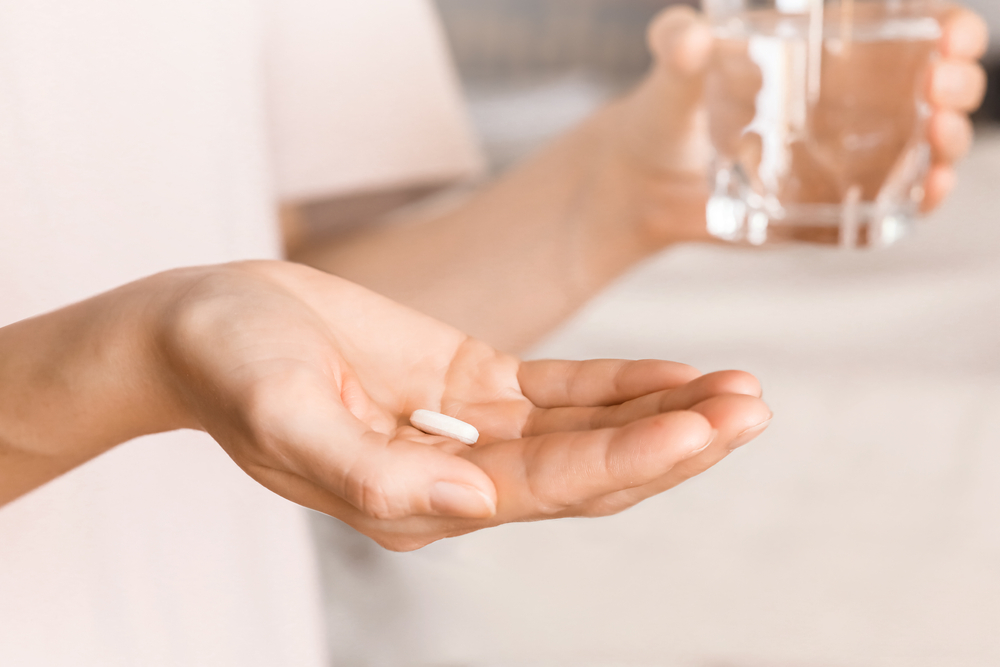
Keep it simple. Find a good bio-available multi-vitamin and commit to taking it every day. Consider adding in an omega-3 or fish oil supplement as well. The local health foods shop is a great place to start. I always suggest getting to know the resources in your own community as they tend to be a wealth of information. Bio-available simply means that the vitamins are coming from real sources and are not synthetically made. We will ALWAYS get better results from being fueled from natural sources that processed sources. Synthetic vitamins are kind of like using the wrong octane fuel in your car.

Finally, it takes some time for the benefits of taking a daily vitamin to integrate into your system, and some of the changes may be very subtle. Try adding it to your daily routine and stick with it for a while assessing the results.


Elevate your Plate with Fresh Herbs

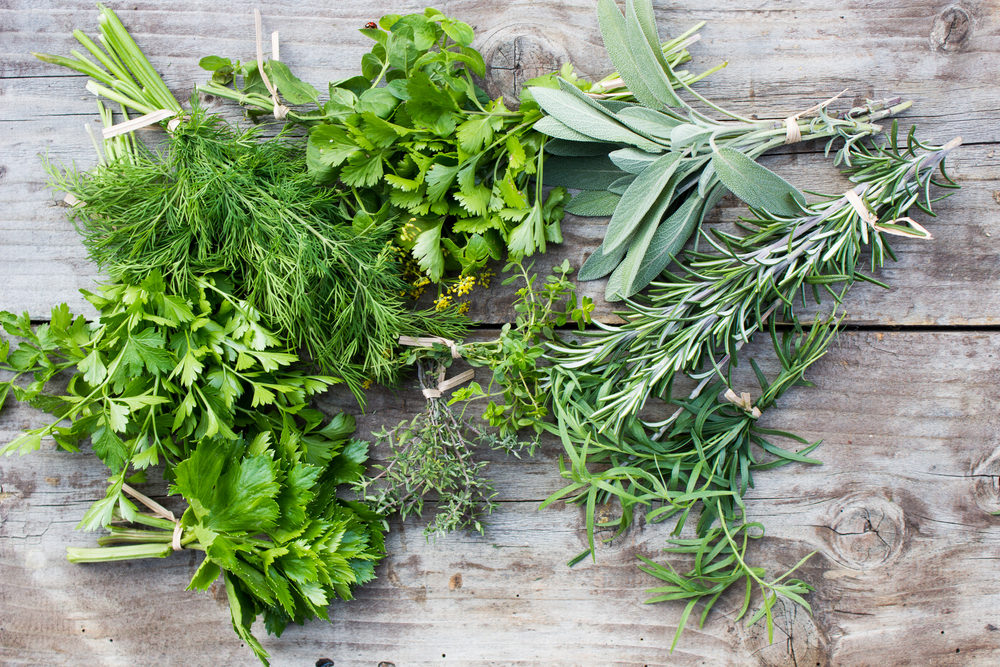
Fresh herbs are the simplest way to enhance any dish in look, flavor, and nutrition and impress your friends too. For as little as a few cents, you can sprinkle some fresh herbal goodness on just about anything. Some dishes like salsa or tabbouleh have herbs as a main ingredient. Fresh herbs are the best:

  1. The plate looks more appetizing – All our senses come into play when we eat and when we think something looks good, it’s more likely to taste good too! Chefs know this and garnish any dish with something as small as a single leaf.
  2. The taste bursts with freshness – Garnishes are often listed as optional in many recipes. Whenever possible, don’t skip these important ingredients. Adding fresh herbs to soups, salads, appetizers, main dishes, and even desserts elevates the flavor complexity and freshness. Experiment with the herbs you like best and how they mix together.
  3. They add to the enticing aroma that kicks off the digestion process – Imagine an Italian Ragu without the oregano, salsa without the cilantro, or a borscht without the dill? Aromatic compounds in the herbs also support emotional wellness in a variety of ways.
  4. Fresh herbs are packed with nutrition – This is almost something we sense at a cellular level. Fresh herbs are more than decoration and flavor, they are nutritionally dense as well. The intense flavors come from important plant compounds that provide nourishment and medicinal properties too.

See the list below for nutritional highlights of common herbs and add some to your next shop:

  • Basil is packed with vitamins C and K, zinc, calcium, magnesium, and potassium. Benefits of eating fresh basil include antioxidant and anti-inflammatory properties alongside the beneficial vitamins and nutrients. In addition, basil essential oil can be used topically to heal minor skin afflictions. Basil is most commonly used in Italian and Thai dishes.
  • Cilantro (fresh coriander) also contains high amounts of vitamins A, C, and K and helps with lowering blood sugar, is antimicrobial, and has been shown to provide protection from foodborne illness. Essential ingredient in Mexican and Indian dishes.
  • Dill is full of calcium and vitamin A. It is often used in Russian, Scandinavian, German, and Mediterranean cuisines. Vitamin A is good for immunity and vision. Calcium is essential for healthy bones.
  • Marjoram supports hormonal health and anxiety relief. It contains folate, vitamins A and K, and is high in magnesium and potassium. Potassium is an electrolyte which hydrates and balances the body. Marjoram goes very well with egg, cheese, or tomato dishes and can be sprinkled on soups and salads.
  • Mint supports digestion and has antibacterial properties. Mint is often used in mediterranean salads and lamb dishes. You can also make a fresh mint tea or add to fruity desserts.
  • Oregano has antioxidants, fiber, vitamin K, manganese, iron, vitamin E, tryptophan, calcium and has antibacterial properties. Used in a variety of dishes, it is also found in medicinal herbal tea blends.
  • Parsley contains plenty of vitamins A, C, and K. It also has a good amount of folate, an important vitamin for heart health. Vitamins A and C provide antioxidant properties while vitamin K supports bone health. Parsley can be sprinkled on pretty much anything, especially egg and poultry dishes. It contains some of the highest nutrition density of common herbs.
  • Rosemary is high in manganese which provides anti-inflammatory benefits and supports metabolism amongst others. The aroma is also known to support memory. Rosemary works well with root vegetables and roasted meat dishes. A simple tea may provide headache relief and boost memory. Ancient scholars are said to have studied with a stem of rosemary tucked behind the ear.
  • Sage contains vitamins A, C and K like most other fresh herbs. It is also high in antioxidants, has antimicrobial effects, and supports hormone balance.
  • Tarragon has manganese, iron, and potassium. It can help to regulate insulin sensitivity. It also has vitamin B6 and folate. It is most often used in fish and poultry dishes.
  • Thyme contains vitamins C and A, copper, fiber, iron, and manganese. Fresh thyme can be used in cooking meat, poultry, and white fish, and works wonders in a soup or stew.


Drink your water and energize your cells!

“Drinking water is like washing out your insides. The water will cleanse the system, fill you up, decrease your caloric load and improve the function of all your tissues.” -Kevin R. Stone

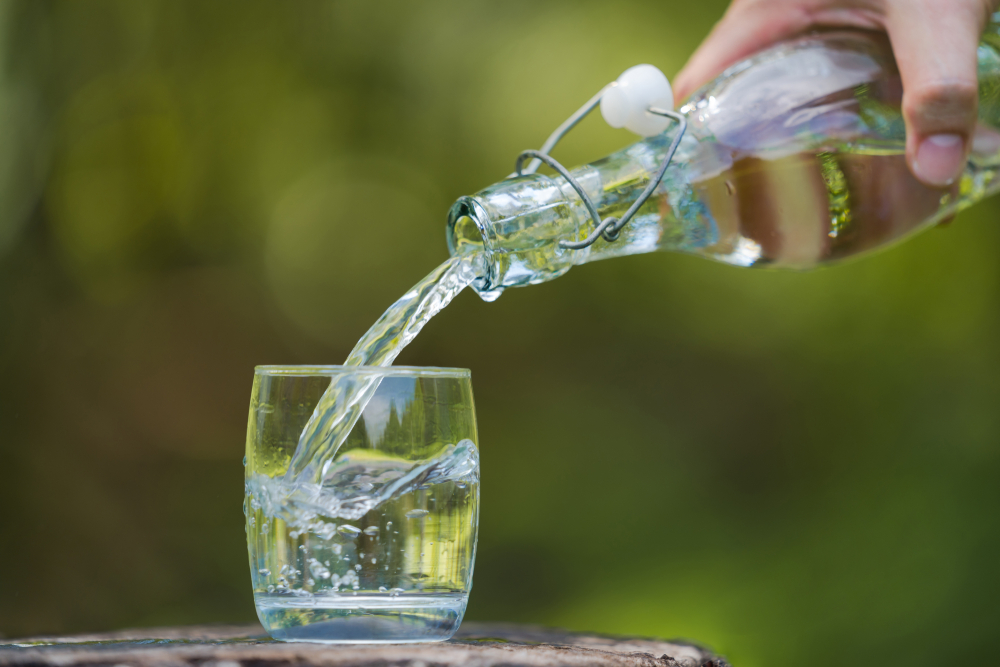
The human body is made of 70% water. For the cells and systems to function optimally and have sufficient energy throughout the day, it’s important to be well hydrated. The water actually acts as a conductor for the messages sent through the central nervous system – i.e. important brain activity, muscle coordination, hormone receptors and important stuff like that. Water is also responsible for lubricating connective tissue and fascia which gets sticks together and forms something called adhesions which are like knots that cause pain and discomfort.Imagine a strong flowing river and when water levels falls, it becomes less robust and the surrounding areas no longer flourish. The same thing is true in the body and keeping track of water intake is one of the best things you can do for your body, mind, and spirit.

Signs that you may benefit from better hydration include:

  • fatigue and sluggishness
  • headache
  • lightheaded or dizziness
  • brain fog
  • sugar cravings
  • accumulation of cellulite,
  • dark, strong smelling urine
  • needing to urinate very little throughout the day
  • muscle cramps*
  • heart palpitations *

*May also indicate electrolyte imbalance.

It is generally recommended that you drink half of your body weight (in pounds) in ounces of water. Here is a simple breakdown of what that looks like in both pounds and kg and ounces and liters:

125 pounds/57 kg –>63 oz./1.85 liters
140 pounds/63.6 kg –>70 oz./2.1 liters
180 pounds/81.9 kg –>90 oz./2.7 liters

This is just a framework to get started. Let’s not focus too much on specifics. For most people around 2-2.5 liters per day will get you towards that sweet spot.

Interestingly, more isn’t always better and hydration isn’t simply about more liquid or water in the system. The blood and circulatory system work to maintain a balance of water and salt. Higher concentration of sodium in the bloodstream will trigger thirst to bring the ratio back into balance. Conversely, if you noticing that you are peeing a lot as you aim for optimal hydration, your water intake may be diluting the balance too much and actually flushing away important nutrients. Salt in itself is worthy of its own article, and despite the bad press it gets, its super important to understand that it’s also essential to life and an important part of maintaining adequate hydration. It’s true that too much salt will leave you feeling bloating, but it’s actually helpful to retain some water so that the cells stay nice and hydrated. Try adding a pinch of sea salt or pink salt to a glass of water from time to time throughout the day, especially on a hot day or after a draining workout. I have found that the salt improves my energy level and focus at any time of day. Read Eating a Banana Helps: Electrolytes are Essential to understand more about electrolytes in tandem with hydration.

Not all water is equal. Environmental considerations aside for the moment, let’s look a little closer at water. Mineral water, spring water, and filtered water are the best choices. And of course, a water cooler or a good reverse osmosis filter are solid options to reduce the use of bottles. Mineral and spring water contain varying amounts of beneficial minerals. In many places in Europe it’s common for people to drink mineral water (sparkling or still) and a lot of people even have a favourite. Some sparkling waters contain plenty of sodium like Vichy in Catalonia, Spain and Topo Chico in Mexico. Evian is high in calcium, hence the milky taste that it’s known for and San Pellegrino is packed with magnesium. Fiji is highest in silica making a good option for detox. Mountain Valley and Acqua Panna are also popular options.

Most countries have their own local varieties of spring or mineral water, so do a little research to learn about the best options in your area and be sure to recycle the bottles. The hotter the climate, the more sodium will need to be replenished because of what is lost sweating. And an extra bonus, high sodium content in the water also supports digestion. The water that you prefer may also vary during different times of the year depending on the climate and your health and fitness goals at the time.

Take some time this week to assess your water consumption habits and make some adjustments as needed. Do some experimenting and try adding a pinch of salt to your water or try out a new sparkling water on your night out. At first you may be running to the toilet often, but as your body regulates and gets used to better hydration, I promise that is temporary.

Fermented Foods Help You Flourish

“Squeamish stomachs cannot eat without pickles.” Benjamin Franklin

There’s a reason we say trust your gut. It’s home to trillions of healthy bacteria, which play a key role in helping you absorb essential vitamins, keep your immune system in tip-top shape, stay regular, and contribute to good mental health. Keeping these friendly helpers in balance may sometimes be a struggle, as Benjamin Franklin well knew, but regularly enjoying fermented foods and beverages can help bring them back into alignment and keep your systems humming with vitality. 

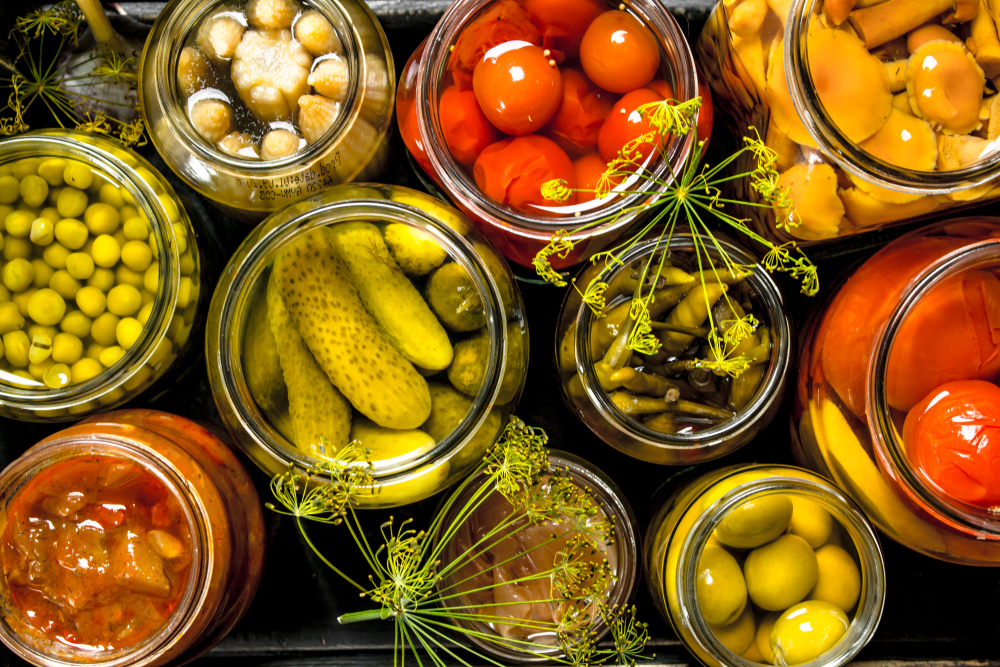
Fermentation harnesses naturally occurring and helpful (“good”) bacteria and yeast to turn sugars and starches into alcohols and acids which helps make food more nutritious and preserve it. Thus, raw cabbage becomes kimchi or sauerkraut, cucumbers become pickles, milk becomes yogurt, and tea becomes kombucha to name but a very few.

Though these foods have gained popularity in recent years and are readily available in many grocery stores, the summer is an ideal time to try your hand at making your own. Sauerkraut, kimchi, and fermented pickles and salsa are not difficult, don’t require a lot of special equipment, and are a wonderful way to use up nature’s bounty of fresh summer veg.

Sauerkraut can be an ideal place for the beginning fermenter to start since it requires little more than cabbage, salt, and time. Though many recipes make enough to keep you in ‘kraut for many months, you may want to start with a smaller batch like this one from Emma Christensen. That’s probably not enough for my household, though, given that my husband and I bonded early on in our relationship over a shared love of sauerkraut, my daughter got top marks in a Fifth Grade science project for comparing batches made with purple and white cabbage, and I’ve even been known to sneak it into a cake!

Once you’ve mastered sauerkraut, take your skills up a notch with kimchi, the hot and spicy Korean fermented cabbage. It features prominently in Korean dishes such as tofu stew, dumplings and pancakes, but is equally delicious eaten as an accompaniment to almost any meal from scrambled eggs to spaghetti. Kimchi, like this easy version created by Emily Han, usually refers to a recipe made with Napa cabbage, but there are as many varieties of kimchi as there are people who eat it. Personalize your own batches to find one you love best, and/or to use what’s in your fridge at the moment. 

Moving on from cabbage, fermented pickles vary from the standard variety more commonly found in grocery stores as they rely on naturally occurring bacteria instead of brine to transform and preserve them. Think beyond traditional pickled cucumbers to include cauliflower, carrots, peppers, jicama, fennel, parsnips, turnips, onions, green beans … whatever catches your eye at the farmers market this weekend. This recipe for mixed pickles from The Kitchn makes a half-gallon size batch.

My son and I experimented with fermented salsa earlier this year during the home schooling days of lockdown. Like the other recipes mentioned here, the salsa can be made in a simple glass jar and only needs a few days to develop. Kristin Marr’s recipe makes a fresh and tangy condiment that’s much more robust and flavorful than anything you’ve dipped a chip in before. Summer tomatoes are already one of life’s truest pleasures, and this salsa enhances their seasonal glory.

Whichever ferment you chose to tackle, it’s likely you already have most of the supplies you need: Glass jars with lids, a cutting board (wooden is my choice), a sharp knife, non-iodized kosher salt, and filtered water. The produce you chose is down to personal preference. I use the freshest veg I can find — so much the better if it’s organic and/or homegrown. Fermentation will enhance excellent produce, but even its magic cannot make sub-par vegetables sing, so don’t use anything with obvious mold or mushy spots.  

I prefer using glass canning jars, but I’ve also been known to repurpose a condiment jar. When my daughter made two massive batches of sauerkraut for her science project, we invested in gallon-size glass jars, but unless you’re feeding a crowd on a regular basis, quart, pint or even half-pint jars will likely serve you well — your recipe should guide you on size and quantity of jars needed. If you develop a true passion for home fermentation, purpose-made crocks and jars are readily available online and in some large home-goods stores.

Avoid using plastic containers. Even food-grade vessels can harbor harmful bacteria in the scratches that accumulate over time, which will affect your final product. Additionally, plastic can leech chemicals into the food I’d rather not ingest. I also avoid using metal while stirring or storing my creations. Metal can not only affect the ferment, but the acid created during the process can create rust — not tasty.

Before you begin, sterilize your jars and lids. I either run them through a hot wash in the dishwasher or place them in a large roasting pan and pour boiling water over and around them. I ensure my cutting board, knife, and any measuring tools are scrupulously clean, and I take off all my jewelry and wash my hands well. But even with squeaky-clean hands I know that simply by handling the food and jars, I’ll both absorb and add to the good microbes in whatever I’m preparing, making every batch a true original.

After my vegetables are chopped and packed into my containers, I store them out of direct sunlight, in a warm but not hot place (65-75 degrees Fahrenheit is ideal). In the summer, almost any place in my kitchen meets this criteria. In the winter, I incubate them near a wall where the hot water pipes come up to the sink. No matter the season, I cover my jars with a light kitchen towel or cheesecloth. This lets air flow in, out and around, but ensures I’m not preserving any fruit flies or other insects along with my veg.

Soon you’ll notice activity. Exciting! It means your bacteria are hard at work. The liquid in your mixture might bubble or foam. If your bacteria are really active, it might bubble over the top of your jar! (For this reason I put a towel or plate under my jars.) If the mixture gets too warm or the liquid level falls below the solids, you may notice some mold forming. This is usually harmless and can be scraped off and disposed of, but use your best judgement and, yes, trust your gut.

You may wonder how you will know when your fermentation process is “done.” Though you will undoubtedly be able to see changes in texture, color and smell, how long you leave your veggies to bubble away is down to personal preference. I like to sample my mixtures along the way to find the ideal taste and texture. The veg is safe and healthy to eat at any stage, though the beneficial microbes will continue to multiply the longer you leave it. When I’ve reached the finish line (usually after just a few days), I store my creations in the fridge.

Finally, have fun! Humans have been preserving food via fermentation for thousands of years. By making your own batches of sauerkraut, kimchi, pickles or salsa this summer, you’ll not only carry on this ancient tradition, you’ll be treating yourself to a whole host of homemade health benefits. How delicious.

Resources:

  • I love the ease and simplicity of recipes found in Fermentation for Beginners by Drakes Press. From cottage cheese to root beer, this small volume is packed with good advice and a wide variety of fermented foods and beverages to start you on your fermenting journey.
  • Though single veg ferments like sauerkraut are undoubtedly healthy and delicious, you increase your microbiome exponentially by eating kimchi and mixed veg since each ingredient brings something a little different to the finished product.
  • In the same vein, eating a little fermented food everyday is more beneficial than a lot once in a while, as it tops up your good bacteria and keeps them consistently happy — all the more reason to always have a jar of something bubbling away on the counter. 
  • Sauerkraut cake? I knew you’d be interested. It’s from domestic doyenne (and syndicated columnist) Heloise. I’m sure it’s not the healthiest way to serve ‘kraut, but it works a treat if you happen to have any leftovers (or want to convert sauerkraut haters — they’ll never know there’s cabbage in with the chocolate). 

by Stefin Kohn, Contributing Writer 
Recipe: Mexican Pico de Gallo Salsa

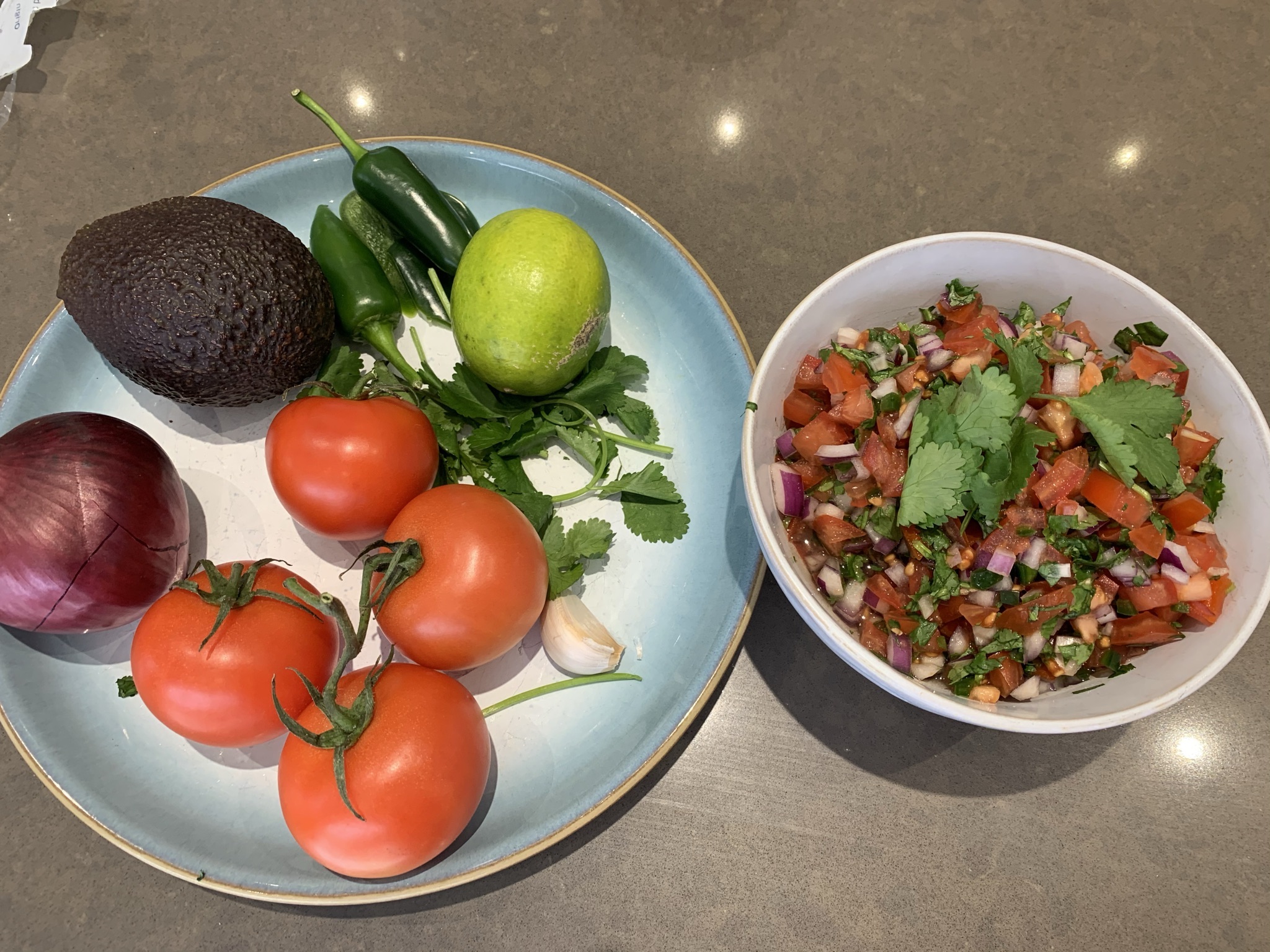
In honor of 5 de mayo (5th of May), it only makes sense to celebrate Mexican salsa. In California, we take it for granted that we can pick up fresh salsa at the supermarket or taquería whenever we want. It’s a different story in the UK and it didn’t take more than a hot second to realize that my best bet in London is to make it myself. In just under 3 years, it’s become second nature and even the kids make their own – because it’s just better when it’s fresh.

Mexican Pico de Gallo Salsa

Ingredients:

  • 3-4 tomatoes, diced small
  • 1 jalapeño pepper, seeds removed and diced (include some seeds for spicier version.)
  • 1 small red onion or 1/2 medium to large red onion, diced
  • 1 large bunch of cilantro (fresh coriander), coarsely chopped
  • juice of approx. 1/2 lime, to taste
  • salt and pepper to taste
  • 1 clove garlic, finely chopped (optional)
  • 1/2-1 avocado, diced

Directions:

Mix all ingredients together in a bowl. Adjust seasoning to taste. Serve with chips & salsa, tacos, burritos, nachos, eggs, and any other dishes you wish.