Recipe: Asparagus Omelette with shallots & goat cheese

One thing that I noticed in the spring of my first full year living in the UK was that restaurants have special menus featuring asparagus. I love that! By the end of the long dark winter, we are ready for something new and colorful. These items like asparagus with availability for such a short season remind us to be present and local with our weekly menus and food choices.

It’s so easy to get into a rut and accustomed to eating the same thing morning, noon, and night, year around. While it may simplify things to a degree, unfortunately, it doesn’t usually work for optimal health because we are wired to be in connection and interaction with our physical environment. Those of us who have a family heritage from a different location than where we currently live may have some sensitivities to local food in the short term. The longer you live in a place, the more likely you are to adapt to the local regional and seasonal dishes throughout the year.

In Northern Europe and much of North America, we’ve been eating hearty stews and heavier meats to stay warm through the winter and now it’s time to lighten things up as we cycle through the first harvest of spring through to autumn. Read more about the best of Spring in New Season, New Menu.

Enjoy asparagus for these few short week!

Recipe: Asparagus, shallot, and goat cheese omelette

Ingredients (serves 1):

  • 3-5 asparagus spears
  • 1 shallot, minced
  • 2 eggs
  • 1-2 oz goat cheese
  • butter or olive oil for cooking
  • salt and pepper to taste
  • sliced avocado (optional)
  • Prosciutto or smoked salmon (optional)

Directions:

  1. Prepare asparagus. Either blanch in well salted boiling water or grill after tossing in olive oil, salt, & pepper. Set aside.
  2. Heat small to medium skillet.
  3. Add 1/2-1 T. olive oil, then minced shallots. Sprinkle with salt.
  4. Sauté and stir approx. 5 minutes until shallot is softens. Cook longer if you desire a sweeter, more caramelized shallots.
  5. Once cooked, put shallots aside in a bowl.
  6. Whisk eggs with salt and pepper in a bowl.
  7. Heat pan to medium (safe dishes by using the same one you used for the shallot) and melt butter or drizzle olive oil to hot pan.
  8. Add eggs mixture to hot oiled pan. Reduce heat slightly.
  9. Once the egg mixture is cooked on the bottom and started to cook up around the sides, use a spatula to flip it.
  10. Add the asparagus, shallots, and goat cheese (and optionally prosciutto, smoked salmon, or avocado) to one half.
  11. Fold the other half over the added ingredients, turn off the heat and cover.
  12. Wait 3-5 minutes for the cheese to melt.
  13. Serve on a plate with freshly ground pepper.
  14. Enjoy the deliciousness of the season.

Sneak Peek – Sample Spring Cleanse Recipes

What do you eat when you’re detoxing?

I remember when I did my first detox. I was nervous about one thing: was I going to be hungry?

Food is such an important part of our daily lives, it’s silly to participate in a detox that leaves you feeing hungry and unsatisfied. That’s one of the ways the 5-Day Cleanse is different – We’re going to eat REAL FOOD!

In fact, I’m so sure that you will love what you’ll eat on the detox that I’m sharing two of my favorite detox recipes with you in this post.

I want to make sure you feel comfortable knowing that we’ll be eating healthy, nourishing foods that will leave you satisfied and your taste buds happy. That’s why I’ve shared these recipes with you.

Try them out and if you like them, be sure to join us for the 5-Day Spring Cleanse that kicks off on April 12. Join us here and be sure to use the code SPRING20 to save £20 when you register by April 9.

5-Day SPRING CLEANSE

I’m getting excited! I hope to see you there! If you have any questions, feel free to email me at sheila@restorativelife.com

Salmon, Arugula and Sweet Potato Salad
(Serves 1)
Ingredients:

  • 1 small sweet potato, scrubbed and cut into small chunks
  • ⅓ lb wild salmon fillet, seasoned with salt and pepper
  • 2 TB white wine vinegar
  • 2 tsp Dijon mustard
  • 2 TB olive oil, divided
  • ¼ C finely chopped chives (optional)
  • 10 oz arugula, washed
  • Sea salt and freshly ground pepper

Directions:

  1. Heat oven to 450 degrees (220 C). Place sweet potatoes on a rimmed baking sheet and toss with 1 TB olive oil. Season with salt and pepper, then roast for 10 minutes, tossing occasionally.
  2. After 10 minutes, toss the sweet potatoes again and move to the side of the baking sheet. Place salmon on the other side and roast for 8-10 minutes, until salmon flakes easily. Remove from oven and let cool for 5 minutes.
  3. Meanwhile, place vinegar, Dijon mustard and remaining oil in a small bowl and whisk together. Season with sea salt and pepper. Place arugula in bowl and toss to coat with the dressing.
  4. Top with salmon and sweet potatoes, then serve.

Click here to sign up for the 5-Day SPRING CLEANSE with the new menu and recipes.

Strawberry Banana Smoothie
Serves 1
Ingredients:

  • 1 small banana
  • 2 TB chia seeds
  • 2 TB nut butter
  • ½ C fresh or frozen organic strawberries
  • 8 ounces coconut, almond, or hemp milk, or water
  • 1 small handful fresh spinach or kale

Directions:

  1. Place all ingredients in a high-speed blender. Start blender on low, and increase speed to combine fully.
  2. If you don’t have a high-speed blender, start by blending the fruit, chia seeds, nut butter and liquid together until smooth, then add the greens and blend again.

Click here to sign up for the 5-Day SPRING CLEANSE with the new menu and recipes.

New Season – New Menu!

Local and seasonal has been all the rage for the past few years. It’s easy to define local, but seasonal can still be challenging because we have collectively become accustomed to having some things year around and how “local” does it really need to be?

From an Ayurvedic perspective, we are always somehow striving to be in balance both with ourselves in context of body, mind, and spirit, and within the greater surrounding environment. Each part of the organism interacts and influences the other in both contexts. This is a continuous process, and the goal is to maintain balance.

Our cells contain circadian programming based on the daily fluctuations of light and seasonal distinctions of the weather and what is locally harvested. For example, in most temperate climates, the winter is cold and dry. This is balanced out with traditional dishes that are warm, wet, and heavy with plenty of fat and protein to warm the body.

As we move into spring, it’s time to shift our plates to maintain balance in the new season. If we continue to eat the same foods that sustained us in the winter, we will become heavy because those dishes on not well suited for the season. Spring is wet, damp, and muddy requiring dry and light foods to balance out the heaviness of the saturated ground.

Nature provides and we will find just what we need at the local farmers’ markets and on the produce shelves ready to nourish our bodies. The first sprouts of spring tend to be bitter and astringent to ease the body’s transition into the new season. Spicy foods are also good at this time as some cold days do linger. The benefit of the spice is that it warms the body without the heaviness of the winter dishes.

Keep an eye out for recipes to highlight the best of spring into your weekly menus and for your spring celebrations too.

Seasonal Vegetables for SPRING:

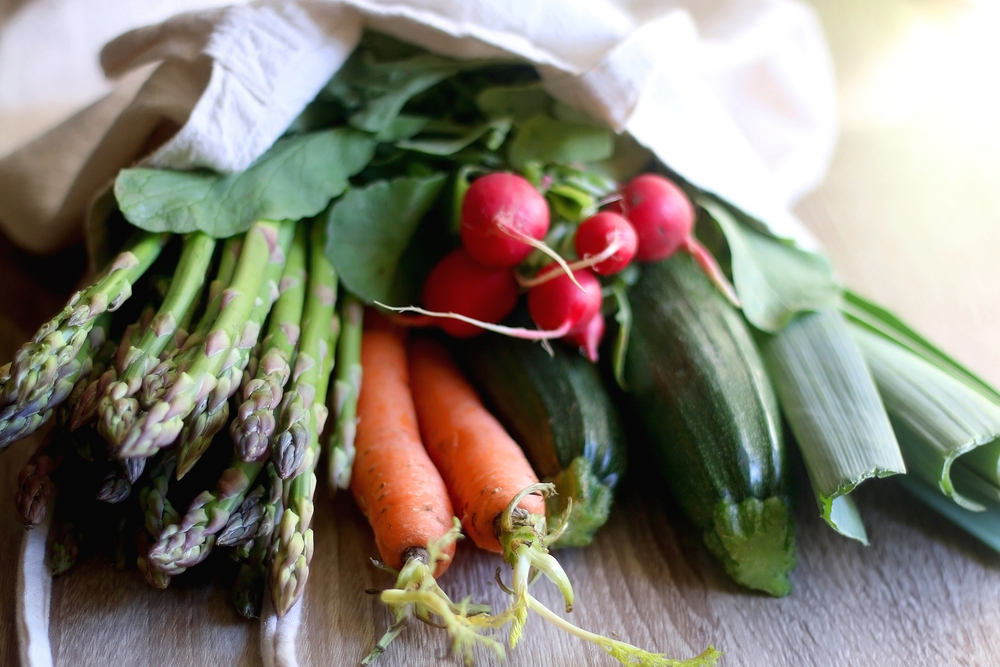
  • Alfalfa Sprouts, Artichokes, Asparagus, Bean Sprouts, Beets, Bell peppers, Bitter Melon, Cabbage, Carrots, Chicory, Collard Greens, Dandelion, Endive, Fennel, Lettuce, Peas, Radishes, Watercress

Seasonal Fruit for SPRING:

  • Citrus and Berries. Spring is the season where there the least sweetness available in nature. Enjoy the final days of the citrus fruits and the beginning of berries while looking forward to the bounty of nature’s candy in the summer!

This is by no means an inclusive list and items will vary from region to region. Eating a “lighter” plate in the spring also means less red meat and more poultry and seafood, and less heavy dairy and more eggs and legumes.

Check out this recipe for an asparagus omelette with shallots and goat cheese.


Adaptogens for Stress

Adaptogens are plants that gently support the body to manage stressors. They are foundational in Chinese and Ayurvedic medicine and often part of the regular diet. Eastern medicine also considers that total healing is an alignment or congruency of the body, mind, and spirit. So consider how you are addressing your optimal health across all areas of your life.

Stress, anger, fear, and excess adrenaline create unhealthy patterns in the body and put our systems out of balance.  Adaptogens help get back into equilibrium, like a scaffold or support so to speak, to handle stress and toxic load.

Like the name suggests, adaptogens don’t work over night. The real magic comes from consistency and integrating the support systemically. They are gentle on the body and move steadily towards healing. Over the counter pain medication such as ibuprofen, acetaminophen, and paracetamol are helpful for acute relief, but continual use over an extended period of time will lead to side effects often related to the liver and digestion.

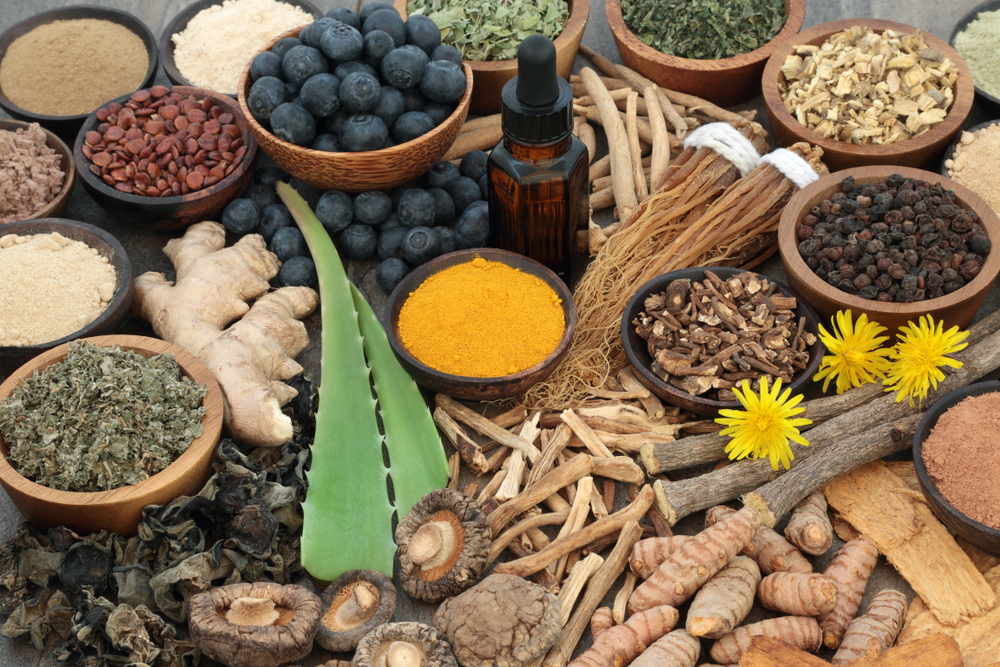
Adaptogens come from plants and there are dozens of them. I’ve listed a few of the most common ones here. Maybe you’ve heard of them or added them to your smoothies! They often come in a powdered form, or as a tea, and also in tinctures and capsules.

It’s best to do a little detective work and use them with intention for the problem you are trying to solve. Consider what will be the best time of day to take them. Be sure to learn about any contradictions, especially if you are taking medications.

  • Ashwaganda is a root that helps you to stay grounded and preserves your energy which reduces stress and anxiety by being able to better handle all that’s going on in your life.
  • Asian ginseng is a root used to boost mental performance and reduce stress
  • Chamomile flowers decrease cortisol levels and enhance a balanced mood.
  • Goji berry (fruit) boosts energy, physical and mental performance, calmness, and sense of well-being, and can also improve sleep
  • Lions mane Mushroom encourages focus and concentration.
  • Reishi Mushroom helps to regulate hormone response and helps the body adapt to stress. This encourages restorative sleep.
  • Tulsi, also known as holy basil. is known to reduce physical and mental stress, anxiety, and depression.
  • Turmeric is a known anti-inflammatory that can boost brain function and reduce feelings of depression.

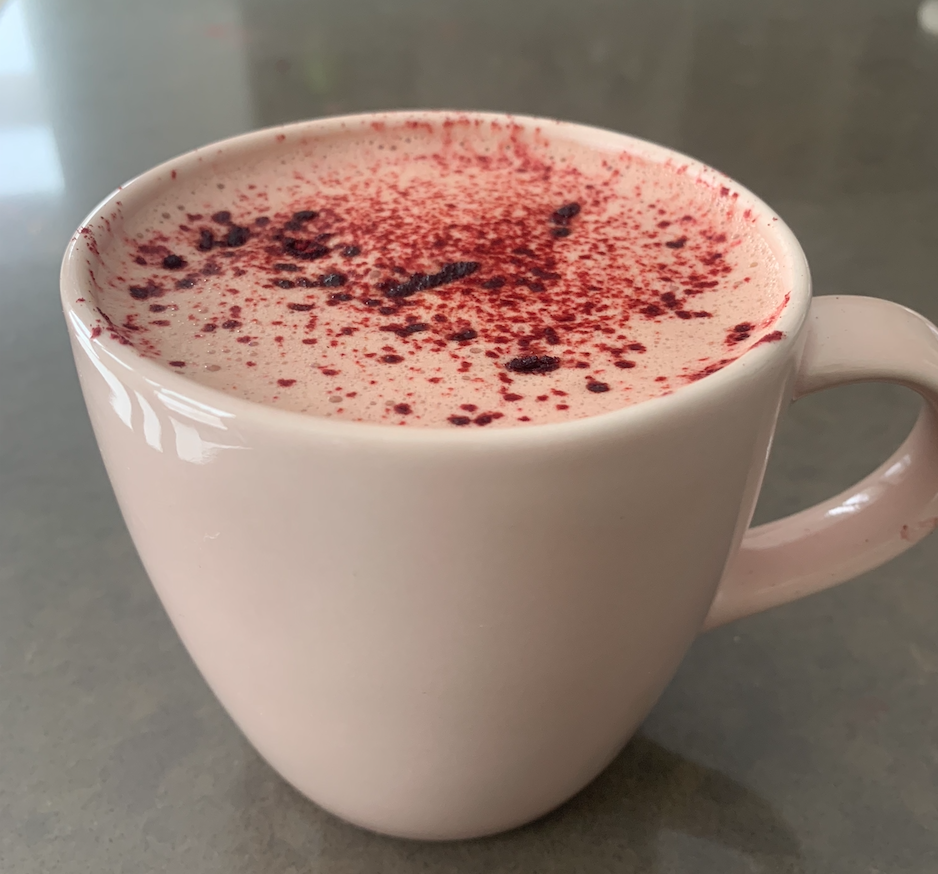
RECIPE: Red velvet maca hot chocolate

Valentine’s Day is just around the corner.  This this tasty beverage will warm you up in the best way (wink, wink) and it’s full of superfoods too. This power beverage is full of ingredients that support circulation, reduce inflammation, increase energy, and even detox. Yes, you can even include this as a part of a detox as an occasional treat. You’re basically turning your morning smoothie into a cup of steaming hot chocolate.

I was first introduced a simple version of this gem at a detox retreat in Malta last March. I’ve been tweaking and I think this version works really well. Feel free to adjust to taste. Add an extra date to make it sweeter or omit the cinnamon if you prefer. Plenty of options to customize it to your own preferences.

You may see some new ingredients in this recipe. Most are available at your local health food store and easily delivered with an online order.

Beetroot Powder is high in potassium. The nitric oxide content helps protect from cellular damage, increase circulation, lower blood pressure, and supports healthy liver function.

Maca is a root native to Peru. It is traditionally used to enhance fertility and libido (yes – making it even more perfect for V-day). There is a lot of exciting research happening to learn more about this wondrous root. The latest studies are reporting  that maca root supports hormone balance, contributes to uplifting mood, helps combat fatigue, and may enhance memory and learning.

Raw Cacao Powder is a great source of minerals like potassium, magnesium and iron and has plenty of fiber to support healthy digestion. It is anti-inflammatory and promotes healthy circulation.

Cayenne Pepper is spicy and warming to the body. It can both reduce hunger and increase metabolism. Sign me up for that! The active ingredient, capsaicin, even has pain relieving properties. Cayenne pepper is easy to add the the diet in small doses and promotes healthy cellular function.

Collagen is an important protein found in our bodies. It is responsible for many structures in the body like bones, teeth, tendons, even cartilage, parts of the arteries and layers of the skin. Excess consumption of sugar and processed foods damages collagen as does smoking and getting a sunburn. We produce less collagen as we get older so it’s helpful to be sure that it’s included as part of the diet.

Cinnamon is a warming spice and has been shown to support regulation of blood sugar levels. Cinnamon is its own little power house. It’s anti-viral, anti-bacterial, anti-inflammatory and it supports healthy digestion.

MCT Oil is made from the Medium Chain Fatty Acids extracted mainly from coconut oil and is a great source of energy. Lots of people add MCT Oil to black coffee in the morning as part of an Intermittent Fasting plan. In some studies have shown MCT Oil to have anti-microbial and anti-fungal properties so it may help rid the body of accumulated yeasts and bacterias. It can help maintain optimal blood sugar levels and it is being studied to support weight loss as a part of a ketogenic diet. The ketogenic diet has been known for over a century to reduce inflammation in the brain specifically in relation to epilepsy. These days, it’s also an option to help manage Autism and Alzheimer’s Disease.

Have I convinced you yet that this is worth trying? All that goodness and it tastes great too!

Red Velvet Maca Hot Chocolate

Ingredients:
3/4 cup coconut milk*
1/2 cup water*
(*OR 1 1/4 cups Almond Milk)
1 Medjool date
1 tsp almond butter (optional)
1-2 tsp raw cacao powder
1 tsp beetroot powder
1 tsp maca powder
1/4 tsp cinnamon
pinch of cayenne pepper (optional)
1 T vanilla collagen powder (omit for vegetarian)
1/2-1 tsp MCT oil (optional or coconut oil)
dash pure vanilla extract
pinch of salt

Directions:

1. Put all of the ingredients in blender and blend well.

2. Pour the mixture into saucepan and heat while whisking frequently.

5. Pour into mug. Sprinkle with beetroot powder, cacoa, powder, or cinnamon. Enjoy!


Sneak Peek – Sample Detox Recipes

What do you eat when you’re detoxing?

I remember when I did my first detox. I was nervous about one thing: was I going to be hungry?

Food is such an important part of our daily lives, it’s silly to participate in a detox that leaves you feeing hungry and unsatisfied. That’s one of the ways the 5-Day Detox is different – We’re going to eat REAL FOOD!

In fact, I’m so sure that you will love what you’ll eat on the detox that I’m sharing two of my favorite detox recipes with you in this post:

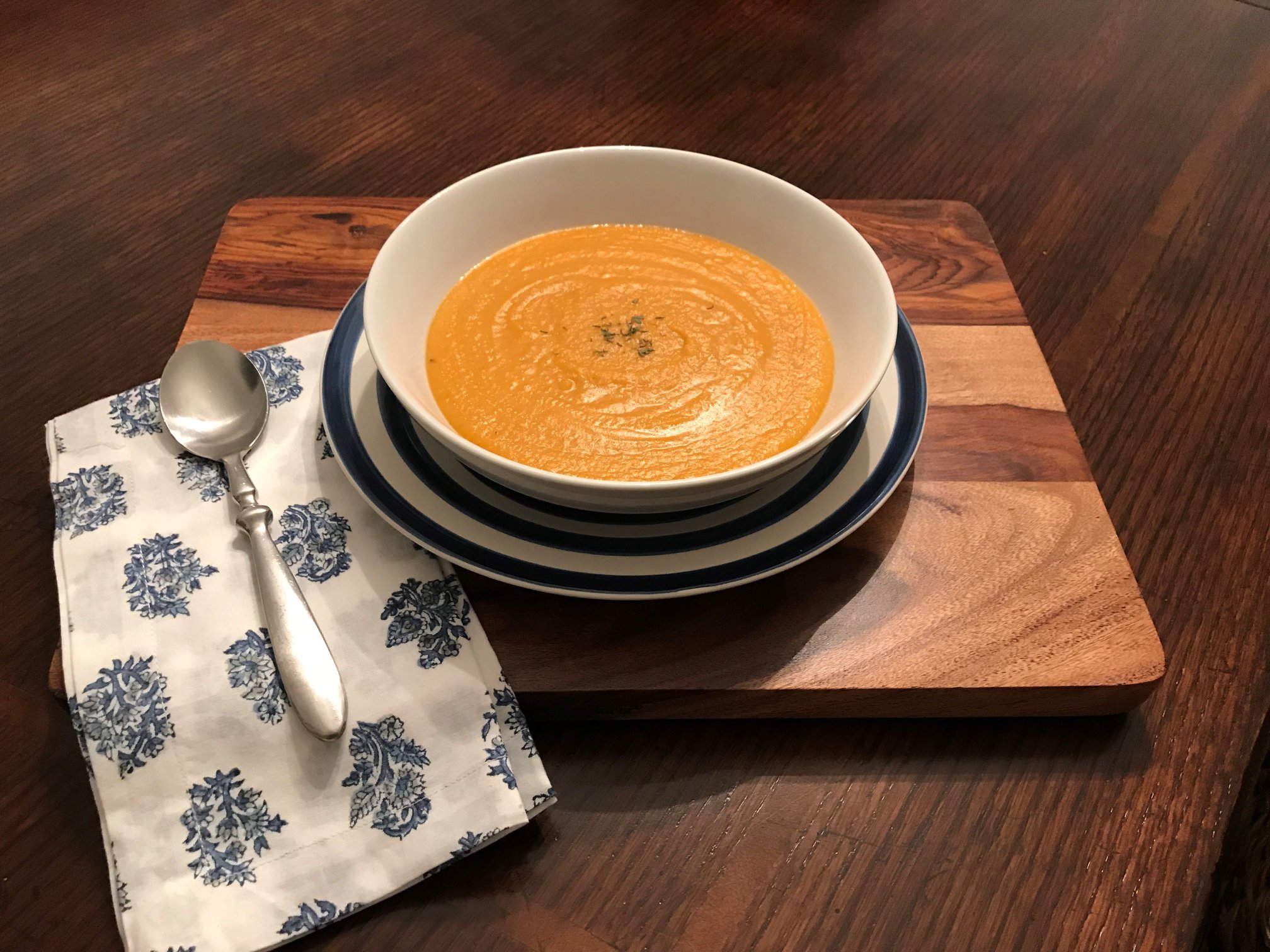
Coconut Yam Soup (Makes enough for 3 lunches)

This soup is so delicious, nourishing, and most importantly, filling. It’s a treat every time I make and I can’t believe it’s detoxing and healing too!

Ingredients:

  • 2 large or 3 small garnet yams, peeled and cut into chunks
  • 1 small yellow onion, diced
  • 5 garlic cloves, minced
  • 1 TB extra virgin olive oil
  • 2 C vegetable or chicken broth
  • 1 (14-oz) can full-fat coconut milk
  • 1 TB wheat-free tamari or coconut aminos
  • 1 tsp grated fresh ginger
  • 1 tsp dried thyme
  • Sea salt and pepper to taste

Directions:

  1. Preheat oven to 375 degrees. Place yams or sweet potatoes on a baking sheet and bake until soft, about 40 minutes. Remove from oven and allow to cool.
  2. Meanwhile, heat a skillet over medium high heat and sauté garlic and onions in olive oil until the onions are soft and translucent.
  3. Place all ingredients in a large blender and turn on low. Gradually blend until smooth, adding water by the TB if you need more liquid.
  4. To reheat, place in pot and warm slowly over medium-low heat, stirring until warmed through.

Note: It’s very important to place a towel between the blender and the lid if the sweet potatoes are still hot to prevent the lid blowing off when blending. Heat expands in blenders and can create so much pressure that the lid can come off and spray hot soup all over you and your kitchen.

Seed Porridge with Chopped Pear
This is a great simple recipe to kick off your day. The seeds provide protein and are packed full of nutrients. The pear is easy to digest and the coconut milk rounds it off with a satisfying creaminess.

Serves 1

Ingredients:

  • 2 TB unsweetened coconut flakes
  • 1 TB raw pumpkin seeds
  • 1 TB flax seeds
  • 2 tsp chia seeds
  • ½ pear, seeded and chopped
  • 2-4 TB refrigerated or canned full-fat coconut milk

Directions:

  1. Grind the first 4 ingredients in a clean coffee grinder and cover with 4-6 oz hot water.
  2. Let seed mixture sit for a few minutes to thicken, then add chopped pear and coconut milk. You can add a little honey to sweeten if needed.

I want to make sure you feel comfortable knowing that we’ll be eating healthy, nourishing foods that will leave you satisfied and your taste buds happy. That’s why I’ve shared these recipes with you. Try them out and if you like them, be sure to join us for the 5-Day Winter Detox that kicks off on February 8. Join us here and be sure to use the code EARLYBRD20 to save £20 when you register by February 4.

5-Day WINTER DETOX

I’m getting excited! I hope to see you there! If you have any questions, feel free to email me at sheila@restorativelife.com

Cheers,

Sheila

Want to Detox With Me?

Hi there friends!

This week’s post is focused on my upcoming 5-Day Winter Detox. This year I’m changing it up and instead of a longer program, we’re going to put the pedal to the metal and knock it out in 5 days! There will be a 5-Day session in each season to maintain momentum and continuity in our health. Just like a car needs a regular tune-up and our windows need washing a few times a year, our bodies need important maintenance attention too.

A lot of people may be wondering whether the new 5-Day Detox is a good fit for them. I thought I’d share my answers to the most common questions in a quick email just in case you’ve been wondering about this, too.

How do I know I need to detox?

A few signs of needing a detox are fatigue, low mood, headaches, skin problems, and excess fat, especially in your belly. But the truth is that if you just aren’t feeling that great, a detox can help. We live in an increasingly hectic and toxic environment, and taking time for high-level self-care like a detox can make a huge difference in your energy, mood and even your body shape.

What will happen during the detox?

You’ll get a step-by-step guide of what you’ll need to do every day on this detox. We’ll focus on eating high-nutrient foods like fresh vegetables and fruits, lean proteins, and some whole grains. We’ll cut out processed foods, dairy, and sugar. The first few days you might feel a little off as your body gets used to the new things you’re eating, but by the end of the week you’ll likely feel amazing – scroll down to read what a few past clients have said about the experience:

How do I know it will work for me?

Literally dozens of people have participated in my reset or programs. I’ve had people tell me that they’ve dropped weight, slept better, had more energy, pooped better, felt less grumpy, and even had whiter teeth. I can’t guarantee that it will work, but it’s a safe bet that you’ll see positive improvements after 5 days. And, if you don’t, let me know, and I’ll refund your money.


Here’s what a few people had to say after working with me:

“The recipes were tasty and easy to follow. I know I should eat better and I don’t always have the discipline to do it on my own. The 5-Day Detox was a great jumpstart to get back into healthier food choices, and I’m amazed how good I feel after just 5 days!”
-Amruta, Business Analyst

“I was surprised at how easy it was to follow the plan. I like carbs, sugar, and wine, but once I made it past the first couple of days, my body responded and I found it easy (mostly!) to make healthy choices. Sheila’s support and the bite-sized chunks of information meant that I wasn’t overwhelmed up front. My stomach felt noticeably less bloated and I lost weight. I felt energetic and unlike other challenges, I wasn’t eager to go back to my old eating patterns because I felt better!”
-Sara, Graduate Student

“Sheila has a wealth of knowledge and experience. She is able to think outside of the box and will continue to research and find solutions until an issue is resolved. I look forward to the 5-Day Detox because I know it’s just what my body and my mind need.”
-Jeannette, Sound Engineer

“I was skeptical at first to try yet another diet…until I lost almost 5 kilo during Sheila’s 21-Day Challenge. I found Primal Health to be an inspired nutrition and lifestyle behavior program that’s easy to slot into your life without drastically changing your daily routine. I’m very grateful for how Sheila has transformed my way of thinking about food by suggesting recipes, menu ideas, and ways to navigate all my food allergies. The best part: I’ve kept the weight off.”
-Susana, Financial Advisor

“I really appreciated this detox.  I was not able to do it exactly as suggested, but it did give me new ideas for what to eat and how to exercise.  I liked having something new to try every day.  It kept my mind on my health.”
-Christina, Special Education Teacher

————————————————————

Sign up by midnight on February 4 to save £20, which means you’ll pay just £57 instead of the £77 retail price. Use the code EARLYBRD20

In case you missed it, when you sign up, you’ll get:

  • A complete suggested meal plan
  • Simple easy to follow recipes that are suitable for the whole family
  • A shopping list so you can hit print and head to the grocery store
  • A detailed daily protocol so you’ll know exactly what to do and when
  • Recommended supplements to take during the detox
  • Easy lifestyle hacks to enhance the detox experience
  • Pre-Detox Training Call
  • Support and daily feedback from our members-only online forum. We’ll definitely be there to tell you to walk away from the cookies.

SHAKE OFF THE WINTER BLUES AND REGISTER HERE.

Let me know if you have any questions, I’m here to help. Do you know someone who’s been wanting to to try a new program, but not sure where to start? This detox is totally suitable for beginners all the way on up to those who have previous detox experience. My goal is to support at many people as possible for this experience and I can only do that with your help, so please share this opportunity with your friends and family members.

Find out more about the 5-Day Winter Detox Here.

I hope you will join us, I’m getting excited. Be sure to use the code EARLYBRD20 to get £20 off you registration.

Cheers,

Sheila

P.S. If you’re on the fence, I encourage you to take a chance and sign up for this 5-day detox. The foods are filling and yummy, there’s tons and tons of support, and you won’t be miserable – pinky swear. And, if you don’t end up having a great experience, just let me know and I’ll refund your money. Give yourself a much-deserved week of self-care and sign up here:

YES, SIGN ME UP FOR THE 5-DAY WINTER DETOX!

Feasting and Fasting

I did my first January “fast” when I was nineteen years old. Back in 1991 I called it a diet, then later a detox, a reset, and now, a fast. I felt so good that first year after the indulgences (and weight gain) during the holidays that I continued to do it. This year marks the thirtieth year of that tradition for myself – which was modified during years of pregnancy and breastfeeding. There have been a variety of iterations over the years, but they all amounted to the elimination of sugar, alcohol, and refined carbohydrates. In the early years, I reduced fat as well going along with the trends of the day. It was the ABCs of January – no Alcohol, no Butter and Bread (including all starchy foods) and No cakes, Cookies, and Candy. A simple mnemonic reference to keep me in check. Later it was Paleo or Whole 30 or Hormone Reset or Keto; and more recently a 5-10 days water fast. As I have become in tune with this rhythm, I have also added a couple of additional fasting periods throughout the year, although January remains the longest and strictest at least for now.

We are wired for feasting and fasting and that goes all the way back to hunters and gatherers. Throughout the year they would experience periods of abundance and scarcity would have coincided with the seasons. There was more food available in the summer and autumn and much less available in the winter and early spring. These periods also aligned with daylight hours and encouraged much activity during the long days of summer and a quiet, restful period during winter, mirroring all life forms on Earth. During the plentiful months, they would take their fill in preparation for the lean times to come. Because of this cycle, our circadian rhythm includes a tendency for weight fluctuation throughout the seasons. Just as other mammals prepare for the winter hibernation by eating as much as they can and piling on the pounds, we too have an innate programming in our cells that lends itself to feasting in the fall and early winter, and then fasting in the late winter and early spring months.

As civilizations developed and progressed, that natural fluctuation has been bolstered by the harvests and the weather and religious and spiritual traditions. Pagan festivals included a feast at the winter solstice on December 21. They butchered large animals that would not survive the deep freeze of winter and kept the Yule Log burning throughout the solstice period. The Christians adopted this period of the year to celebrate Christ’s birth and the twelve days of Christmas. In recent times, this has extended into a much longer feast period often beginning with Halloween, Samhain, and Day of the Dead which blend into harvest festivals and Thanksgiving in the U.S. finally blending right into the Advent season lasting through Epiphany on January 6, often celebrated with a cake. Once upon a time, Advent was a season of fasting. These days, it’s a pre-feast feast of daily chocolate or even alcoholic indulgences. It’s no wonder that our bellies and bottoms are bursting by the second week of January.

Before modern food preservation and refrigeration, these feasts would have been followed by a period of scarcity as the ground froze and families would be sustained on stored grains, root vegetables, canned pickles, tomatoes, and preserves, and dried meats and fish. From an evolutionary and cellular perspective, our bodies are prepared for this time of lack. Just like the tulip bulbs lay in the frozen ground in the winter soil, the cells are not worried about the current situation, they are programmed to be still and patient and will sprout and announce spring when the time comes. We too have cellular programming based on circadian rhythms related to the sun and the seasons.  Daily circadian rhythms alert us to be awake during the day and asleep at night. Seasonal circadian rhythms encourage more activity in the summer and rest in the winter. More activity in the summer requires more food and we are gifted with the bounty of the harvests. Less activity is more natural in the winter as a way to conserve energy with less food available.

Modern conveniences have complicated this natural cycle. Constant availability of food throughout the year and incessant advertising campaigns to encourage purchasing and consuming more and more and more have taken a toll on our instinctual tendencies. Business and profit models leave little room for a lean month of profits which in turn prevents the achievement of physical leanness in the population at large. In his book, The Obesity Code, Dr. Jason Fung, an expert in the use of fasting for health benefits, suggests that “an imbalance between feeding and fasting will lead to increased insulin, which causes increased fat, and voila – obesity.” While the year round abundance of food that many of us have access to is certainly a blessing, it’s also something that we need to manage to maintain our health and longevity.

It doesn’t matter whether you choose to engage in Dry January or Veganuary or Whole 30 or some other program or if you call it a diet, detox, a cleanse, or a fast, reducing caloric consumption (especially of sugar and refined carbohydrates) for a few days to a few weeks will allow the digestive and circulatory systems, including the liver, some well-earned time of rest and renewal. Not sure where to start? – how about try Intermittent Fasting – which is essentially skipping a meal a couple of times per week. Finally, don’t get discouraged if you feel lousy the first few days, that’s just the body’s cleaning crew doing its job.  Stick it out one day at a time to enjoy the lightness, clarity and alertness on the other side.

If you are interested in personalized support and creating a customized wellness plan, contact me at sheila@restorativelife.com to schedule a discovery call.

An exploration of iron and iron deficiency – Part II

“You are both stars, don’t forget.
When the stars exploded billions of
years ago, they formed everything
that is this world. The moon, the
trees, everything we know is
stardust. So don’t forget. You
are stardust.
– ROSE PEDDLER”
― Richard Linklater, Before Sunrise

Part II

Part II explores the specific role of iron in the body and includes a variety of suggestions of how iron levels have been shown to be supported across a range of healing modalities.

Read Part I to learn more about iron as an element, how we have interacted with iron in history, and symptoms of iron deficiency.

***If you suspect you have iron deficiency, work with a medical professional to create an appropriate treatment plan.***

Iron Absorption and Regulation in the Body

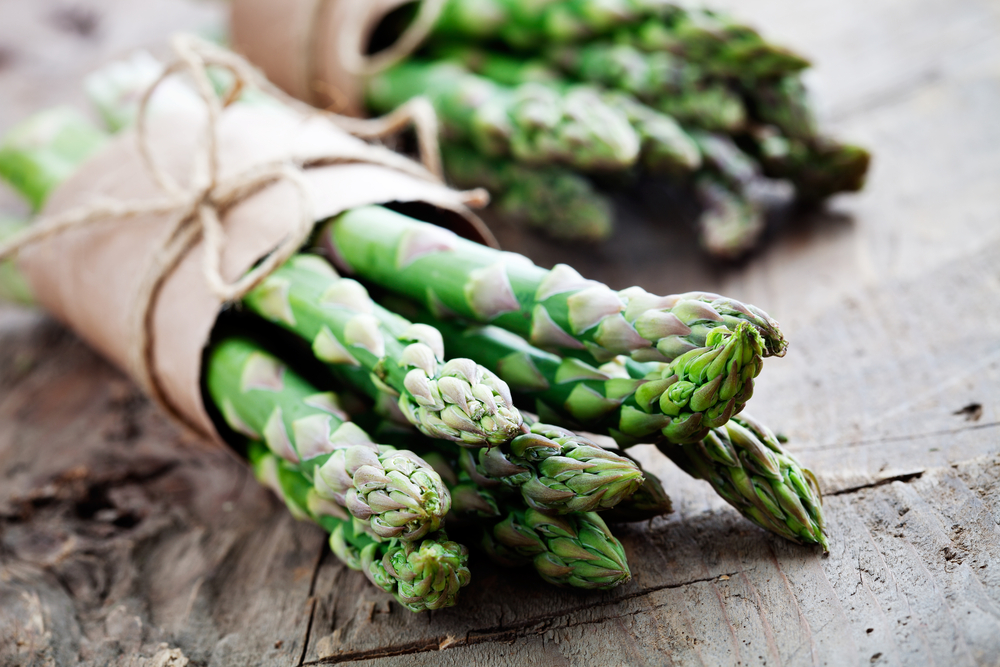
Iron is found in hemoglobin in red blood cells in the body. When red blood cell count is low, there is less oxygen that is transported and delivered to the tissues and organs in the body. It is important to understand iron absorption to ensure adequate red blood cell production in the body.

The ability of our body to absorb iron is equally as important as iron levels. In a tightly regulated system due to its toxicity in high doses, the body maintains iron storage when there is an excess. This can become a problem when signals get mixed up and the high iron storage signals the body that there is enough iron when in reality, our bodies most easily iron consumed in an ongoing basis. In this case, iron storage has reached capacity sending a message that there’s no need to absorb incoming iron and leads to the same symptoms as iron deficiency. A ferritin test will help the doctor understand if there is a situation of low iron or iron overload. A diagnosis of low iron or a more serious chronic condition is worked out by obtaining both blood iron levels and ferritin levels. Hemochromatosis is the most common type of iron overload and is a genetic condition in which the body has a tendency to absorb excess iron from the diet. Those with this diagnosis follow a diet to that reduces iron consumption to avoid toxicity.

Tests to measure iron level include serum iron which measures the level of iron in the blood, serum ferritin which is a protein supporting iron storage in the body, and transferrin level which is the protein carrying the iron in your blood.

Causes of Low Iron

There are a variety of causes that may contribute to low iron in the body which itself is a complex machine of hormones and systems that interact with one another. It’s necessary to work with a medical professional to understand the source of the problem. It’s worth doing the detective work and as we’ll see, some medical traditions such Ayurveda and Traditional Chinese medicine treat the cause rather than simple the symptoms. An iron supplement sounds like a quick and easy fix, but it won’t necessarily resolve the situation if the underlying cause isn’t addressed.

Causes for low iron and iron deficiency may include: heavy menstruation, lack of sufficient iron in diet, poor iron absorption, internal bleeding, stress, rigorous exercise, vegetarian diet, anxiety, chemotherapy, and pregnancy, just to name a few. Excessive stress is especially toxic systemically. It shuts down ordinary digestive function and the release of stomach acids which prepare the stomach to absorb important nutrients, including iron.

Dietary Iron

There are two types of dietary iron.

Heme iron is that which comes from animal sources and is more easily absorbed into the body.

Non-Heme iron comes from plant sources and has been shown to be less easily absorbed into the body.

Blood Deficiency, TCM and Ayurveda

Traditional Chinese Medicine (TCM) considers low iron in the body to be blood deficiency. Treatment is directed at the liver, spleen, and digestive system rather than at iron levels itself. In Ayurveda medicine, iron deficiency is believed to be rooted in a “weak digestive fire”. Dietary recommendations are based on balancing the digestive heat in the body to support the blood and ensure adequate elimination of toxins. Like TCM, the focus is on a blockage in the liver. Healthy digestion is the primary focus followed by supporting circulation.

Recommendations

The best and fastest way to increase iron levels in the body is through dietary food containing heme iron. The following is a collection of other known modalities to support optimal iron levels in the body. Be sure to discuss with your doctor for which ones are right for you.

Diet

Much research has revealed that calcium in foods and supplements specifically blocks iron absorption, therefore it’s necessary to be strategic to target optimal levels of iron absorption. A message for those who eat meat from The Iron Disorders institute suggests:

  • Two hours BEFORE a “Meat Meal” AVOID coffee, tea, high fiber, eggs, chocolate, dairy or calcium supplements
    • “Meat Meal” is lean, red meat: beef, venison, lamb or dark meat chicken, turkey or fish. Eat with: a leafy green salad and vitamin C rich food such as juice: (tomato, vegetable juice or orange juice.) Take iron supplements* with this meal.
  • Two hours AFTER a “Meat Meal” AVOID coffee, tea, high fiber, eggs, chocolate, dairy or calcium supplements

For those who do not eat meat it’s especially important to pay attention to the following lists and to what enhances iron absorption and what interferes with it. Then adjust your meals and lifestyle choices accordingly to get the greatest result. For example, drizzle lemon juice on a serving of spinach and consume any dairy or high calcium food at another meal. In essence, follow the above instruction with your non-heme iron and discuss with your doctor how to further increase iron levels.

Heme Foods with highest dietary iron:

  • Beef Liver
  • Chicken liver
  • Giblets
  • Oysters
  • Mussels
  • Clams
  • Beef
  • Egg yolks
  • Blood Sausage
  • Black pudding
  • Desiccated liver (in pill or powdered form)
  • Bone Broth

Non-Heme Food with highest dietary iron:

  • Prune juice
  • Spinach & dark leafy greens
  • Sesame seeds
  • Pumpkin seeds
  • Chickpeas (with lemon)
  • Beet juice
  • Dulse
  • Chard
  • Parsley
  • Blackstrap molasses
  • Dried apricots
  • Pistachios (best nut, other nuts such as almonds may inhibit iron absorption)

The following enhance absorption of iron:

  • Pink Himalayan salt (its pink hue is due to iron deposits in the rocks)
  • Vitamin C
  • Vitamin A
  • Potassium
  • Manganese
  • Adequate copper
  • Cook with a cast iron skillet
  • Use Iron Fish to naturally increase iron in food and water

The following interfere with the absorption of iron:

  • Caffeine
  • Alcohol
  • Calcium
  • Magnesium
  • Zinc
  • Phytic Acid (found in grains and legumes)
  • Gluten
  • Casein
  • Soy
  • PUFAs (bad fats, fried food)
  • Sugar
  • Tannins
  • Soda
  • High Cortisol (stress)
  • Worry and anxiety – viscous cycle between cause and effect of low iron; worry tends to cause loose bowls which tends to inhibit absorption of nutrients in general; low iron causes stress on the body which exaggerates symptoms of worry and anxiety

Medications interfere with iron-absorption (keep a 2 hour window between consumption):

  • Anti-acids
  • PPIs
  • Tetracycline and other antibiotics
  • Painkillers

TCM

Traditional Chinese Medicine may include consumption of herbal tonics, herbs, and bone broth; acupuncture and other therapies.

Ayurveda

An Ayurvedic doctor will work with your diet to bring your doshas into balance. Treatment may include tonics and herbs that support the body to strengthen the immune system, and a customized diet to regulate digestion and circulation, and eliminate toxins effectively.

Crystals

Crystals are used in healing to promote physical, emotional, and spiritual wellness by interacting with the body’s energy field. You can wear them as a bracelet or necklace, carry them in your pocket, and keep them by your bedside or under the pillow while sleeping. Be sure they are regularly cleansed or charged in running water, sunlight, or moonlight.

  • Hematite – known for its grounding and protective properties. It has a powerful connection to the blood and supports restoration, strengthening, and regulation of blood supply.

Herbs and teas

Best to focus on herbs to support liver and digestion, as well as stress reduction.

  • Liver tonic
  • Peppermint tea
  • Chamomile Tea
  • Tea of nettle leaf and dandelion leaf
  • Fresh parsley added to meals

Essential Oils

The best way to use essential oils to support low iron is to use them to reduce stress, manage moods, and support sleep.

  • Citrus oils – lemon, orange, tangerine
  • Peppermint
  • Eucalyptus
  • Frankincense
  • Lavender

Lifestyle

  • Sleep – Sleep is our body’s dedicated time for restoration and recovery. Waste is eliminated and systems are recharged in preparation for a new day. Read more about the importance of sleep in a previous blog, Reclaiming Sleep, and consider ways to improve your sleep routine to make the most of this time.
  • Movement – regular movement supports the lymphatic system to release toxins from the body. It also stimulates circulation and blood flow. Monitor movement according to physical ability and energy levels. I wrote about the important of movement in the post Forget exercise less, move more.
  • Stress Reduction – Stress is one the most toxic things we are exposed to on a regular basis. Optimal health and balance of body, mind, and spirit will not be achieved without learning about and practicing ways to reduce stress. This may include breathing exercises, mindfulness and meditation, yoga, massage, close relationships,
  • Self-confidenceDo things that make you feel empowered. Be your best self.

Well friends, you made it to the end. My hope is that you found something useful and learned something new. Please share this with others so that we can all have a better understanding of optimal iron level for vitality and live long and strong.

***I am not a doctor or medical professional. I am a health coach, writer, researcher, and teacher. My aim is to share the information that I have discovered in order to expand the understanding of what is possible in terms of treating and healing health related issues of the body, mind, and spirit with natural remedies when possible based on traditions from around the world to complement and enhance modern conventional medicine. ***

If you are interested in focused support with your specific health challenges, meal planning, menus and lifestyle adjustments, please contact me at sheila@restorativelife.com
An exploration of iron and iron deficiency – Part I

Every atom of oxygen in our lungs, of carbon in our muscles, of calcium in our bones, of iron in our blood – was created inside a star before Earth was born.
-American Museum of Natural History blog

Part I

In Part I, I have explored iron as an element and how we have interacted with iron historically including symptoms that may indicate low iron levels.

Part II will explore iron’s specific role in the human body and include a variety of suggestions of how iron levels have been shown to be supported across a range of healing modalities.

***If you suspect you have iron deficiency, work with a medical professional to create an appropriate treatment plan.***

Iron deficiency affects 30% of the global population and occurs in the highest rates among menstruating women. However, I’ve noticed a pattern lately that women and men of all ages, 15 to 85, are dealing with low iron levels or iron deficiency. What’s going on and why is an issue that so many are dealing with right now? While it’s easy to zoom into the micro-level and identify low-iron as the problem, it’s also important to expand our view and perspective to have a deeper understanding of what’s going on in order to make the best choices for our optimal health and wellness.

Iron is fundamental and vital. All living cells in plants, animals, humans, and even bacteria, virus and cancer cells require iron to grow and sustain life. Iron is an essential ingredient in the life cycle itself. Plants use iron to make chlorophyll which in turn creates the oxygen that we breathe. The iron in our bodies is mostly located in the hemoglobin and its magnetic properties attract oxygen from the lungs and transport it to the tissues and organs in the bodies. When it’s working properly, it’s a very efficient system and the oxygen our cells receive are expressed in energy and vitality. Low iron is actually feedback of an imbalance in the body and it’s worth taking some time to be reflective and deepen our understanding of the situation.

Fatigue is a common initial sign of low iron. Other symptoms include: breathlessness, pale skin, frequent infections, swollen tongue, hair loss, headaches, insomnia, dizziness, bleeding gums, rashes, cold hands and feet, craving for meat, craving for dirt or clay (known as pica); and extends to emotional and psychological problems including anxiety, depression, and difficulties in concentration. While iron is essential, it is also highly regulated in the body due to its toxic nature in high amounts. Because of this, it’s very important to explore the root cause of low iron and the best way to increase levels safely. I will elaborate on this further along when explaining iron absorption.

When we experience fatigue we are low in energy. We appear as if wilted and our bodies literally vibrate at a lower frequency than when we are well. It’s like the lights have been dimmed. Adequate iron levels must be achieved to recharge the body’s battery and regain energy. Iron is associated with physical strength, energy, masculinity, and the planet Mars. The Iron Age is thus named for the use of the material making tools and weapons. It’s no wonder then that someone experiencing low iron levels will feel depleted in strength and power. In addition to this general weakness, the body is left with very little reserves to combat new viral and bacterial threats and the healing process slows down greatly. Let’s start with learning a little more about iron in history.

***It’s very important that you see a doctor or medical professional if you suspect iron deficiency. This information is meant to enhance your understanding of iron deficiency.***

In its overview statement on iron deficiency, The Mayo Clinic suggests that, “You can usually correct iron deficiency anemia with iron supplementation. Sometimes additional tests or treatments for iron deficiency anemia are necessary, especially if your doctor suspects that you’re bleeding internally.”

However, scrolling down a bit on the same page, we are informed that we should see a doctor before starting iron supplements:

“If you or your child develops signs and symptoms that suggest iron deficiency anemia, see your doctor. Iron deficiency anemia isn’t something to self-diagnose or treat. So see your doctor for a diagnosis rather than taking iron supplements on your own. Overloading the body with iron can be dangerous because excess iron accumulation can damage your liver and cause other complications.”

Iron ore and Iron lore

Iron is one of the most abundance elements in the universe. Iron on Earth is found both in the outer crust and the core. The element of iron is strong and malleable and magnetic. The magnetic core of the Earth connects our planet to the greater universe and cosmos; and the iron in our body represents our connection to the whole. The magnetic field of the Earth supports the gravitational pull which maintains the protective atmosphere of Earth. The iron in our bodies also supports our own protective energy field without which we are more vulnerable physically, mentally, and spiritually. Let’s explore iron throughout history with a few examples from pre-history to modern times.

Traditional cultures are known to have used iron that arrived on Earth from meteorites. There is evidence of meteoric iron tools recovered in Egyptian pyramids. Among other ancient cultures from North America to Tibet to Namibia and China to name a few, meteoric iron was revered as a gift from the gods or the “Sky People” and was considered a purifying, cleansing, and healing resource which gave energy and strength.

The Chalice Well in Glastonbury, a popular pilgrimage spot abundant with histories of King Author is known for its iron rich water. The water has a reddish hue that comes from the ferrous iron content in the rocks. Visitors can put their feet in the water or collect the water to take with them and it is known in the region to invoke healing.

Throughout the ages and even in more recent times, superstitions around iron have prevailed. In addition to the physical protection provided by iron such as suits of armor in the Middle Ages, it was also thought that iron provided protection from faeries and bad spirits, thus children would be put to sleep in beds with iron frames to invoke that protection. Iron was also used to make graveyard fences as it was thought that the iron would keep the ghosts contained within. Generally, iron was believed to repel or harm ghosts, witches, and other malevolent supernatural creatures. In the Disney movie, Maleficent, this is expressed as fact in the statement, “Iron is lethal to faeries. The metal burns them on contact.”

An iron horseshoe on the door is another symbol of both good luck and protection. In Scotland, there is a tradition that a woman carry an iron horseshoe in her wedding bouquet to protect the marriage union. Scotland also allows blacksmiths to perform wedding ceremonies and the legal age of marriage was younger than in England.  Young English women would flee to Gretna Green at the Scottish border for a marriage to be performed by a blacksmith, also known as “anvil priest” because of the tradition of sealing the marriage with the pounding of the anvil which has become a symbol for Gretna Green weddings.

During our own lifetime and in modern vernacular, we pump iron at the gym, iron out the wrinkles of a difficult situation, put too many irons in the fire, rule with an iron hand, and strike while the iron’s hot. We celebrated when the Iron Curtain came down; we experienced the leadership of the Iron Lady in the UK; and we watched the comic Iron Man rise to popularity in films.

Since early times, iron has always symbolized power, protection, and healing which is evident in physical representations and embedded within stories and superstitions.

End of Part I

Coming soon – Part II
Part II will explore iron absorption in the body and practical tips and pitfalls to look out for coming from a variety of modalities that have been shown to support optimal iron levels.

If you are interested in focused support with your specific health challenges, please contact me at sheila@restorativelife.com