Sneak Peek – Sample Spring Cleanse Recipes

What do you eat when you’re detoxing?

I remember when I did my first detox. I was nervous about one thing: was I going to be hungry?

Food is such an important part of our daily lives, it’s silly to participate in a detox that leaves you feeing hungry and unsatisfied. That’s one of the ways the 5-Day Cleanse is different – We’re going to eat REAL FOOD!

In fact, I’m so sure that you will love what you’ll eat on the detox that I’m sharing two of my favorite detox recipes with you in this post.

I want to make sure you feel comfortable knowing that we’ll be eating healthy, nourishing foods that will leave you satisfied and your taste buds happy. That’s why I’ve shared these recipes with you.

Try them out and if you like them, be sure to join us for the 5-Day Spring Cleanse that kicks off on April 12. Join us here and be sure to use the code SPRING20 to save £20 when you register by April 9.

5-Day SPRING CLEANSE

I’m getting excited! I hope to see you there! If you have any questions, feel free to email me at sheila@restorativelife.com

Salmon, Arugula and Sweet Potato Salad
(Serves 1)
Ingredients:

  • 1 small sweet potato, scrubbed and cut into small chunks
  • ⅓ lb wild salmon fillet, seasoned with salt and pepper
  • 2 TB white wine vinegar
  • 2 tsp Dijon mustard
  • 2 TB olive oil, divided
  • ¼ C finely chopped chives (optional)
  • 10 oz arugula, washed
  • Sea salt and freshly ground pepper

Directions:

  1. Heat oven to 450 degrees (220 C). Place sweet potatoes on a rimmed baking sheet and toss with 1 TB olive oil. Season with salt and pepper, then roast for 10 minutes, tossing occasionally.
  2. After 10 minutes, toss the sweet potatoes again and move to the side of the baking sheet. Place salmon on the other side and roast for 8-10 minutes, until salmon flakes easily. Remove from oven and let cool for 5 minutes.
  3. Meanwhile, place vinegar, Dijon mustard and remaining oil in a small bowl and whisk together. Season with sea salt and pepper. Place arugula in bowl and toss to coat with the dressing.
  4. Top with salmon and sweet potatoes, then serve.

Click here to sign up for the 5-Day SPRING CLEANSE with the new menu and recipes.

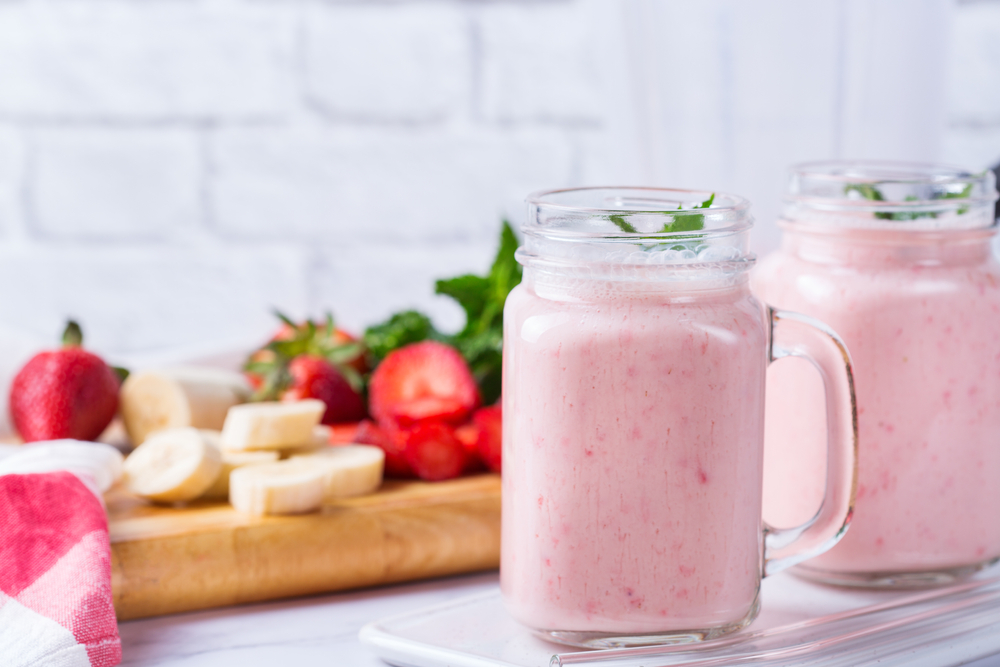
Strawberry Banana Smoothie
Serves 1
Ingredients:

  • 1 small banana
  • 2 TB chia seeds
  • 2 TB nut butter
  • ½ C fresh or frozen organic strawberries
  • 8 ounces coconut, almond, or hemp milk, or water
  • 1 small handful fresh spinach or kale

Directions:

  1. Place all ingredients in a high-speed blender. Start blender on low, and increase speed to combine fully.
  2. If you don’t have a high-speed blender, start by blending the fruit, chia seeds, nut butter and liquid together until smooth, then add the greens and blend again.

Click here to sign up for the 5-Day SPRING CLEANSE with the new menu and recipes.

Placebo Response: A Powerful Help to Healing

When you’re feeling under the weather, do you swear by a mug of your favorite chicken soup, a binge of a box set, or a long soak in a hot bath to make you feel better?  If so, you’ve harnessed the power of the placebo.

Simply put, a placebo is a treatment without medically recognized properties. Commonly used by pharmaceutical companies during drug trials, placebos have long been the gold standard to ensure an accurate clinical test before a new medication is brought to market. In drug trials, half of the participants receive the new medication and half receive a physically identical but worthless “dummy” pill or saline injection. In a system called “double blind” neither the clinicians nor the participants know who’s receiving what, in order not to influence the outcomes. In this way, researchers can prove (or disprove) that their medication works, and be sure the trial was fair and unbiased.

Beyond the realm of double-blind studies, the placebo effect and response can have powerful implications of their own for healing and therapeutic benefits. The mind is so persuasive that patients can experience strong effects, both positive and negative, while taking a placebo. During the trial for the COVID vaccines, many people reported side effects such as fatigue and headache — even though they had been given a saline injection. On the flip side, some researchers believe the vaccination has been so well tolerated because people need and want it to work so badly. 

The magic of the placebo also comes because people can still experience relief and healing — whether they know they’re receiving the actual medication or not. The placebo effect is a real physio-biological phenomena that arises not just from the taking the dummy pill, but from the social, contextual, and verbal suggestions that are around when it is administered. It may not cure you but it can make you feel better, in part because you feel cared for. Call it a therapeutic sugar pill.

Some may be more receptive and responsive in body and mind to the effects of a placebo than others. Likewise, some conditions seem to respond better to placebos. Research has shown that depression, pain, and chronic insomnia can respond effectively to placebos, sometimes as well as or better than to their “real” pharmacological counterparts. In physical terms, placebos can hasten the release of the body’s natural “feel good” chemicals, lowering heart rate, blood pressure, anxiety, fatigue and pain perception. In psychological terms, patients who believe they will have success with a treatment shift their mindset from pain to relief, a significant and positive boost. Put another way, if a patient thinks and believes that a medication or treatment is going to work, it has a better chance of success. 

An iconic scene in the 1996 movie The Birdcage provides a perfect example. Nathan Lane’s character Albert is overcome with stage fright and begs Hank Azaria’s character, Agador, for a special  “Pirin” tablet. Though Albert thinks he’s popping a tranquilizer, Pirin turns out to be nothing more than garden-variety aspirin with the first two letters scraped off. But does it, along with Agador’s soothing, cure his anxiety? Absolutely.

But saying that placebo power is all in your mind is selling it a bit short. People with diseases that affect the prefrontal cortex (such as Alzheimer’s) often don’t respond to a placebo. Tellingly, MRI scans of patients given a placebo show increased neural activity in this region, the part of the brain responsible for, among other things, behavior, emotions, and the release of the powerful mood-boosting neurotransmitters serotonin, norepinephrine, and dopamine. Changes start in the brain, but they’re really happening, and have a cascading and often transformative effect on the patient’s body. So although the placebo may only be a catalyst, it’s a powerful one.

As Albert experienced, and as new research shows, therapeutic acts literally change the brain’s chemistry. Of course, what constitutes a therapeutic act is highly individual. I may swear that numerous cups of hot tea with lemon shortens my cold. You may find no relief from hot beverages but insist that a spoonful of spicy mustard eases your congestion. Both “treatments” help us feel better, in large part because we believe they will.

However we individually find relief, though, we may be doing so out of a deep-seated evolutionary response. Evolution favors humans with positive expectations. Feeling optimistic about the future, and how you’ll feel in it, helps to reduce anxiety. Alternatively, an expectation that you’ll continue to feel poorly, or that you have no control over your health, only increases stress and accompanying unpleasant physical symptoms. 

Unquestionably, placebos have an important role in helping deliver new, safe and effective drugs. The scientific research studying the placebo effect and response, still in its early stages, may have equally massive implications for helping to treat a variety of conditions. To be sure, conventional medicines and treatments are often the accepted standard for a wide variety of health problems, and there are certainly conditions that won’t ever be cured with positive thoughts and placebos alone. But the next time you need to pop a pill, schedule a surgery, or roll up your sleeve for your COVID jab, expecting the best possible outcome may be a simple, and surprisingly effective, way to increase your success.

By Stefin Kohn, Contributing Writer

Spring Cleanse April 12-16

Hi there friends! I hope you enjoyed a your Spring feasts of Passover and Easter the past couple weekends. Now that we are moving into a new season, it’s time for a little reset week to get Spring and summer off to a great start. I always look forward the sunshine and the tank tops and sundresses and I want to feel good and look good for the season.

Let’s talk about the upcoming 5-Day Spring Cleanse. This year, I’m doing will a 5-Day session in each season to maintain momentum and continuity in our health. Just like a car needs a regular tune-up and our windows need washing a few times a year, our bodies need important maintenance attention too. We get started next week, so be sure to sign up and take advantage of the early bird discount. Sign up by midnight on April 9 to save £20. Use the code SPRING20

YES, SIGN ME UP FOR THE 5-DAY SPRING CLEANSE!

You may be wondering whether the new 5-Day Detox is a good fit for you. Here are some answers to the most common questions  just in case you’ve been wondering about this, too.

How do I know I need to detox?

A few signs of needing a detox are fatigue, low mood, headaches, skin problems, and excess fat, especially in your belly. But the truth is that if you just aren’t feeling that great, a detox can help. We live in an increasingly hectic and toxic environment, and taking time for high-level self-care like a detox can make a huge difference in your energy, mood and even your body shape.

What will happen during the detox?

You’ll get a step-by-step guide of what you’ll need to do every day on this detox. We’ll focus on eating high-nutrient foods like fresh vegetables and fruits, lean proteins, and some whole grains. We’ll cut out processed foods, dairy, and sugar. The first few days you might feel a little off as your body gets used to the new things you’re eating, but by the end of the week you’ll likely feel amazing – scroll down to read what a few past clients have said about the experience:

How do I know it will work for me?

Literally dozens of people have participated in my reset or programs. I’ve had people tell me that they’ve dropped weight, slept better, had more energy, pooped better, felt less grumpy, and even had whiter teeth. I can’t guarantee that it will work, but it’s a safe bet that you’ll see positive improvements after 5 days. And, if you don’t, let me know, and I’ll refund your money.


Here’s what a few people had to say after working with me:

“The recipes were tasty and easy to follow. I know I should eat better and I don’t always have the discipline to do it on my own. The 5-Day Detox was a great jumpstart to get back into healthier food choices, and I’m amazed how good I feel after just 5 days!”
-Amruta, Business Analyst

“I was surprised at how easy it was to follow the plan. I like carbs, sugar, and wine, but once I made it past the first couple of days, my body responded and I found it easy (mostly!) to make healthy choices. Sheila’s support and the bite-sized chunks of information meant that I wasn’t overwhelmed up front. My stomach felt noticeably less bloated and I lost weight. I felt energetic and unlike other challenges, I wasn’t eager to go back to my old eating patterns because I felt better!”
-Sara, Graduate Student

“Sheila has a wealth of knowledge and experience. She is able to think outside of the box and will continue to research and find solutions until an issue is resolved. I look forward to the 5-Day Detox because I know it’s just what my body and my mind need.”
-Jeannette, Sound Engineer

“I was in a rut with some unhealthy eating habits, so the 5 day winter detox came along at just the right time. We can do just about anything for 5 days, Monday to Friday, so it didn’t seem so daunting. With Sheila’s advice and support, I was able to go without the foods that were causing me problems while continuing to feel energised and in control. I finished the week several pounds lighter, feeling empowered and so proud of myself. I don’t think I would have been motivated to follow such a regime on my own, but the group was a good support system. The detox was just the kickstart I needed to get my healthy lifestyle back on track.”
-Marilyn, Community Activist

“I really appreciated this detox.  I was not able to do it exactly as suggested, but it did give me new ideas for what to eat and how to exercise.  I liked having something new to try every day.  It kept my mind on my health.”
-Christina, Special Education Teacher

————————————————————

Sign up by midnight on April 9 to save £20, which means you’ll pay just £59 instead of the £79 retail price. Use the code SPRING20

In case you missed it, when you sign up, you’ll get:

  • A complete suggested meal plan
  • New recipes to celebrate Spring
  • Simple easy to follow recipes that are suitable for the whole family
  • A shopping list so you can hit print and head to the grocery store
  • A detailed daily protocol so you’ll know exactly what to do and when
  • Recommended supplements to take during the detox
  • Easy lifestyle hacks to enhance the detox experience
  • Pre-Detox Training Call
  • Support and daily feedback from our members-only online forum. We’ll definitely be there to tell you to walk away from the cookies.

Get into the Groove of SPRING AND REGISTER HERE.

Let me know if you have any questions, I’m here to help. Do you know someone who’s been wanting to to try a new program, but not sure where to start? This detox is totally suitable for beginners all the way on up to those who have previous detox experience. My goal is to support at many people as possible for this experience and I can only do that with your help, so please share this opportunity with your friends and family members.

Find out more about the 5-Day Spring Cleanse Here.

I hope you will join us, I’m getting excited. Be sure to use the code SPRING20 to get £20 off you registration.

Cheers,

Sheila

P.S. If you’re on the fence, I encourage you to take a chance and sign up for this 5-day cleanse. The foods are filling and yummy, there’s tons and tons of support, and you won’t be miserable or hungry – I promise. And, if you don’t end up having a great experience, just let me know and I’ll refund your money. Give yourself a much-deserved week of self-care and sign up here:

YES, SIGN ME UP FOR THE 5-DAY SPRING CLEANSE!
GUEST BLOG: The Power of Scent

Scent has the power to transport us. Unlike our other senses, the power of scent is linked directly to our brain’s limbic system, the region responsible for memory and emotion, which is why you can instantly travel back to high school, your grandmother’s garden, or anywhere in the world when you catch a whiff of a familiar fragrance.

For many years now, I’ve harnessed the ability of scent to enhance making memories, consciously choosing a specific perfume to wear on my travels. Though I rotate between a select few favorites in my “normal” life, traveling provides the perfect opportunity to road test a new scent, and, more importantly, help imprint the memory on my soul in a way that even the best photograph can’t.

At first, I experimented with having one travel perfume that I wore on all occasions away from home. As much as I liked the idea of having a reliable favorite on standby, the imprints became a little fuzzy, as I couldn’t remember which trip the scent was reminding me of. I soon switched to match the scent to the location — wearing Prada in Italy, Dior in France, Burberry in England, for example (a bonus is that many of the big perfume houses have multiple perfumes so you can work your way through them slowly). This is not only an excellent way to honor the host country, and a fun bit of extravagance to help set a suitably “off duty” mood for your wanderings, but also makes remembering choices even easier. (A travel scent journal is something I intend to start to help cement my memories even further.)

Last summer, my family and I escaped pandemic London for a week in Normandy and the Loire Valley in France. I was anxious about our first international trip during a global pandemic though COVID cases were low and the trip was allowed. Both to help comfort me, and represent the areas I would be visiting, I chose YSL Libre, with its top notes of lavender, cosy middle notes of orange blossom, and comforting base notes of warming vanilla. This scent proved perfect — I felt a little more French, and a lot more calm. Back home, with one whiff, I am reminded, not of the panic of pandemic times, but of the healing power of getaways.

There’s no right or wrong way to start making your scent memories, but I enjoy using fragrances I’m unfamiliar with before my trip. Otherwise, I find they come with strings attached. If you ask nicely at most makeup counters, you can walk away with small vials of perfume to help get you started. I find the samples easily last for a week’s vacation, with a little to spare for when you return home.

If you’d rather reference single-note fragrances, Demeter and The Library of Scent have inexpensive “purse sprays” that replicate almost any smell you can think of, quite literally — from Play-Doh to Kitten Fur. The companies offer a wide variety of scents meant to imitate particular foods, drinks, seasons, even destinations, including Ireland, Cuba, and the Great Barrier Reef, among others. If you have been lucky enough to visit these locations, you may find that you agree with these interpretations of the locale. I spritz their Apple Cider spray to remind me of my fall honeymoon in Vermont. Then again, your scent memory of the places you’ve visited may differ wildly from anyone else’s.

In a 2020 article in the Harvard Gazette, “olfactory brander” Dawn Goldworm explained that scent is the only fully-developed sense fetuses have in the womb, and it remains a child’s most vital sense until age 10 when sight takes over. This may explain why scents imprinted in childhood are so important, and lead to a lifelong like or dislike of certain smells that can be hard to override in adulthood. 

During our year-plus of enforced time at home, I’ve never been happier that I have scent memories to help me reminisce and recollect. Through the power of scent, I’ve been transported to more carefree times — reliving walks along a Venetian canal at twilight, a hunt for the city’s best strudel in Vienna, the zesty, citrusy tang and bite of a Moroccan souk — one magical sniff at a time.

Consider:

  • Trying a scented hand cream, body wash, or even hair product. Most come, or can be decanted, into travel sizes;
  • Essential oils — either single notes or ready-made blends– are another option, and you could consider creating your own bespoke combinations;
  • Purchasing a scented product on your travels — the bonus being you have a portable souvenir that you can dip into right away.

Stefin Kohn is an American writer and editor living in London. Her love affair with perfume started with Debbie Gibson’s Electric Youth, circa 1989.


New Season – New Menu!

Local and seasonal has been all the rage for the past few years. It’s easy to define local, but seasonal can still be challenging because we have collectively become accustomed to having some things year around and how “local” does it really need to be?

From an Ayurvedic perspective, we are always somehow striving to be in balance both with ourselves in context of body, mind, and spirit, and within the greater surrounding environment. Each part of the organism interacts and influences the other in both contexts. This is a continuous process, and the goal is to maintain balance.

Our cells contain circadian programming based on the daily fluctuations of light and seasonal distinctions of the weather and what is locally harvested. For example, in most temperate climates, the winter is cold and dry. This is balanced out with traditional dishes that are warm, wet, and heavy with plenty of fat and protein to warm the body.

As we move into spring, it’s time to shift our plates to maintain balance in the new season. If we continue to eat the same foods that sustained us in the winter, we will become heavy because those dishes on not well suited for the season. Spring is wet, damp, and muddy requiring dry and light foods to balance out the heaviness of the saturated ground.

Nature provides and we will find just what we need at the local farmers’ markets and on the produce shelves ready to nourish our bodies. The first sprouts of spring tend to be bitter and astringent to ease the body’s transition into the new season. Spicy foods are also good at this time as some cold days do linger. The benefit of the spice is that it warms the body without the heaviness of the winter dishes.

Keep an eye out for recipes to highlight the best of spring into your weekly menus and for your spring celebrations too.

Seasonal Vegetables for SPRING:

  • Alfalfa Sprouts, Artichokes, Asparagus, Bean Sprouts, Beets, Bell peppers, Bitter Melon, Cabbage, Carrots, Chicory, Collard Greens, Dandelion, Endive, Fennel, Lettuce, Peas, Radishes, Watercress

Seasonal Fruit for SPRING:

  • Citrus and Berries. Spring is the season where there the least sweetness available in nature. Enjoy the final days of the citrus fruits and the beginning of berries while looking forward to the bounty of nature’s candy in the summer!

This is by no means an inclusive list and items will vary from region to region. Eating a “lighter” plate in the spring also means less red meat and more poultry and seafood, and less heavy dairy and more eggs and legumes.

Check out this recipe for an asparagus omelette with shallots and goat cheese.


Essential Oils for Joint & Muscle Relief and SLEEP!

Joint and muscle relief are more related to sleep than you might think. When we are sore and achy in the body, it can be very challenging to get that restful, restorative sleep.

The common thread is often that muscles are tense and contracted. This is a protective position, like a duck & cover drill. The chemical constituency of the essential oil molecules is like the safety bell, and alerts the cells that it’s safe to open up and relax. It turns out that the state of each cell is never neutral, it’s either open and actively going about its roles or it’s closed and contracted. When we spend a lot of our lives in protective postures, that can cause or muscles to remain in a constant state of tension and contraction. Warm baths, meditation, walks in nature, conversations with close friends, and targeted use of essential oils all help signal to the cells that it’s safe to open up and relax.

Just for fun – Listen this song, Public Service Announcement from the early 2000s. It’s a cheesy song about fire safety, but can also remind us that essential oils alert the cells that the situation is safe. And I hope it makes you laugh! We could all use a good laugh these days.

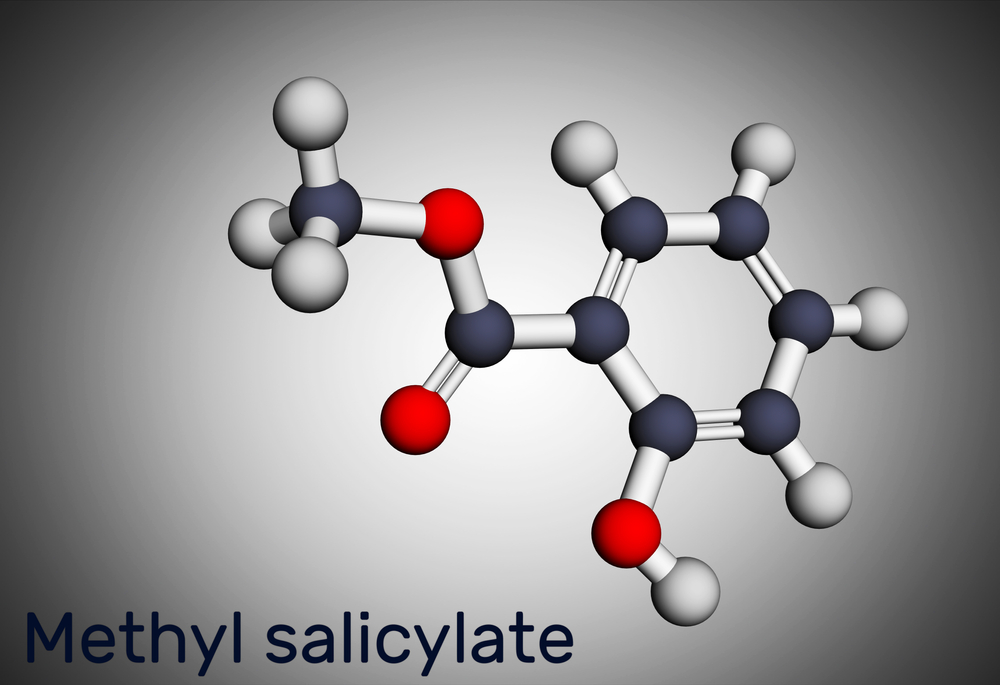
When experiencing joint and muscle pain the body is definitely going to be in a state of protection and the most powerful essential oils to provide relief include methyl salicylate which which is the same group of chemicals as salicylic acid, the active ingredient found in aspirin. It acts as an anti-inflammatory and is soothing to the tissues.

  • Deep Blue Rub contains wintergreen as well as Camphor, Peppermint, Blue Tansy, German Chamomile, Helichrysum, Ylang Ylang, and Osmanthus. It’s my go-to after a workout to relief sore muscles. Also support chronic joint pain, muscle spasms, arthritis, and tension headaches.
  • PastTense Tension Blend also contains wintergreen as well as lavender, chamomile, and frankincense. This one help reduce muscle tension related to various kinds of stress in our lives.
  • Copaiba is a cannabinoid and provides relief by targeting the cannabinoid receptors found widely throughout the body
  • Combination of Lemongrass and Cypress. This combination is warming and increases blood flow to the area.

Choosing the best essential oil for SLEEP depends a lot of the underlying reason there is difficulty sleeping. Lavender is calming and relaxing, and is a valuable oil to have around, but it’s not always strong enough to tackle deeper sleep challenges.

  • Serenity Restful Blend is great to help calm down both thoughts and emotions and get some restorative sleep.
  • Balance Grounding Blend is my favorite and I use it every day. This oil supports stability as we go experiences transitions in our days, weeks, months, and over the course of our lives. In terms of sleep, it helps the mind to shut down.

Some people have coined an expression that using Serenity and Balance together works like natural Xanax. I like to think of this combination at bedtime as a security blanket.

  • DIY Blend: Cedarwood + Bergamot + Marjoram: This blend is like a security blanket and a security guard. I supports having the confidence of being safe, connected, and protected.
  • Juniper Berry Helps calm the mind when fearful thoughts are swirling around. Blends well with
  • Cilantro Helps to calm the nerves and relieve anxiety so the body can sleep. This is one of the best oils to address difficulty falling asleep. It has a pretty overwhelming smell, but definitely does the job.  I suggest adding 5-10 drops to a very warm beth just before bed.

Sacred Oils – Sacred oils are known to support the connection to the heavens. They are great to enhance prayer and meditation and provide deep cellular healing. 

  • Frankincense – Frankincense is known as the “King of Oils” and has a history of such value and reverence such that that it came along side gold as a gift to the newborn baby Jesus in the Christian Christmas story. Frankincense will add “super power” to any oil that you. It has so much complexity and potential that if you are ever unsure what oil to use, Frankincense will almost always offer some improvement that you are looking for. If I could only have ONE oil ever, Frankincense would be a very strong contender.
  • Sandalwood – creates a sense of calm and positivity. It’s also good for the skin. Rub on the temples, forehead, or wrists at bedtime.

Power Flowers – I would consider using the essential oils of these power flowers when sleep difficulty is related to emotional distress in some way. Diffuse in the room, add to the bath, rub on pressure points or directly over the heart when you feel the need.

  • Neroli When I lived in Southern California during high school, spring was a memorable time of year when the whole landscape was saturated with the intoxicating aromas of the orange blossoms. Essential oil of neroli is extracted from the flowers of the bitter orange trees, also known as Seville oranges and native to Southeast Asia. Neroli helps to clear the heat and relaxes the nerves. It’s also a very uplifting aroma.
  • Ylang Ylang – Ylang ylang are big, beautiful tropical flowers grown in Southeast Asia and Madagascar. One day I hope to experience this aroma in all of its glory. Also cooling, this is a very special oil that encourages playfulness, positive emotional connection, and generally considered supportive of releasing tension and stress and is nurturing to the heart.
  • Helichrysum This precious oil from the aromatic shrub and is also known as Everlasting or Immortelle. Besides being cooling, it is anti-inflammatory and helps to clear energy blockages in the body, physical and emotional. It is commonly used for bruising and related pain.
  • Geranium – While we may be familiar with the hearty flowers of the perennial shrub geranium, the essential oil is actually extracted from the flowers and the leaves. Like the other flowers, it is cooling and relaxing. It is good for the skin and has anti-fungal properties and encourages healthy circulation.

Want to start a an essential oils collection, Home Essentials Kit is a great place to start.

Click here to go to my essential oils home page and learn more about my favorite brand of oils.

If you are interested in learning more about essential oils and which ones would be the best for you, email me at sheila@restorativelife.com and we will set up a brief wellness consultation.

Adaptogens for Stress

Adaptogens are plants that gently support the body to manage stressors. They are foundational in Chinese and Ayurvedic medicine and often part of the regular diet. Eastern medicine also considers that total healing is an alignment or congruency of the body, mind, and spirit. So consider how you are addressing your optimal health across all areas of your life.

Stress, anger, fear, and excess adrenaline create unhealthy patterns in the body and put our systems out of balance.  Adaptogens help get back into equilibrium, like a scaffold or support so to speak, to handle stress and toxic load.

Like the name suggests, adaptogens don’t work over night. The real magic comes from consistency and integrating the support systemically. They are gentle on the body and move steadily towards healing. Over the counter pain medication such as ibuprofen, acetaminophen, and paracetamol are helpful for acute relief, but continual use over an extended period of time will lead to side effects often related to the liver and digestion.

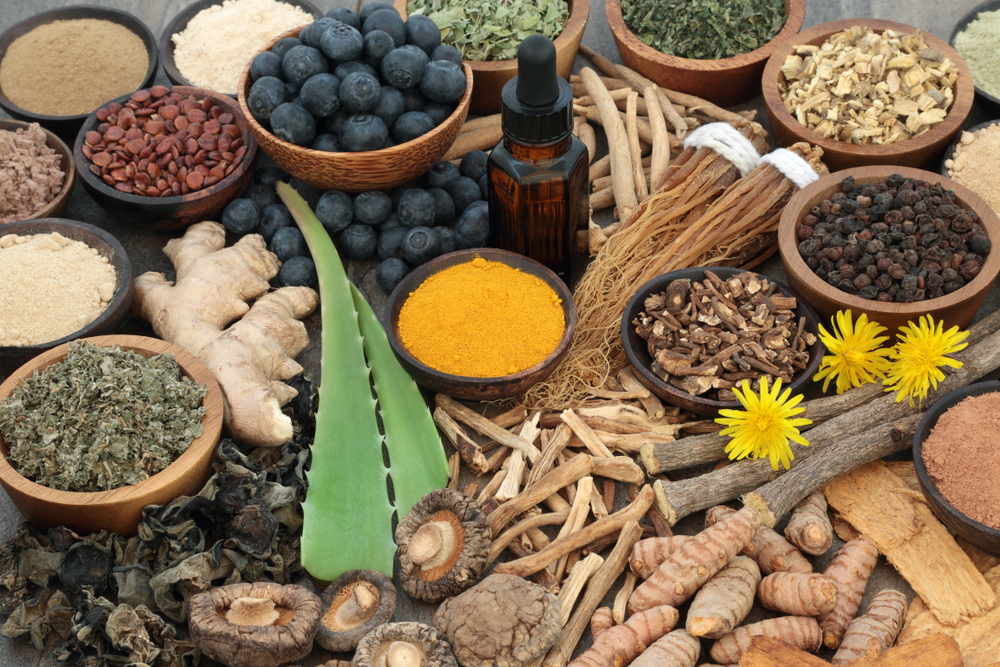
Adaptogens come from plants and there are dozens of them. I’ve listed a few of the most common ones here. Maybe you’ve heard of them or added them to your smoothies! They often come in a powdered form, or as a tea, and also in tinctures and capsules.

It’s best to do a little detective work and use them with intention for the problem you are trying to solve. Consider what will be the best time of day to take them. Be sure to learn about any contradictions, especially if you are taking medications.

  • Ashwaganda is a root that helps you to stay grounded and preserves your energy which reduces stress and anxiety by being able to better handle all that’s going on in your life.
  • Asian ginseng is a root used to boost mental performance and reduce stress
  • Chamomile flowers decrease cortisol levels and enhance a balanced mood.
  • Goji berry (fruit) boosts energy, physical and mental performance, calmness, and sense of well-being, and can also improve sleep
  • Lions mane Mushroom encourages focus and concentration.
  • Reishi Mushroom helps to regulate hormone response and helps the body adapt to stress. This encourages restorative sleep.
  • Tulsi, also known as holy basil. is known to reduce physical and mental stress, anxiety, and depression.
  • Turmeric is a known anti-inflammatory that can boost brain function and reduce feelings of depression.

Essential Oils to Support Hormone Balance

The systems in the body are largely directed by our hormones which all interact with each other. One hormone out of balance will be disruptive to the whole system. It’s beyond the scope of this article to describe each one, but hormones are responsible for virtually all of the functioning of the body as well as regulating hunger, mood, alertness levels and more.

When considering how to support hormone heath with essential oils, it requires a little detective work. We want our hormones to be in balance, but that’s not enough. What symptom or problem do you want to solve? Once that is identified, then you can use essential oils in a targeted and intentional way to support your whole system.

Before we get to all the fun oils, let’s review the basics because no matter what oils you use, they will work at their best when you are participating to do your best for your health too. Remember that symptoms come to the surface when we are out of balance in some way and restoring full balance most often requires an alignment of body, mind, and spirit. While physical discomfort and manifestations may point to a hormone imbalance, our mental and spiritual wellness effects out hormone heath too.

Consider the quality of your:

  • Sleep – Regular, restorative sleep is the foundation of wellness and vitality. Next week’s essential oils spotlight will focus on sleep. For now, pay attention to your sleep habits and read more about sleep in a past post, Reclaiming Sleep
  • Hydration – It’s super important to be well-hydrated. Water is a conductor and our hormones can’t send messages throughout the body efficiently if we are dehydrated.
  • Movement – Move as much as you can ALL DAY LONG. More  frequent smaller movements throughout the day is better than sitting ll day and then doing a “workout”. This includes several short walks throughout the day potentially having a greater result than one longer walk. Read Exercise less – MOVE MORE! to learn more about the importance of movement.
  • Diet – Eating a diet rich in whole foods with vegetables, proteins, and healthy fats will go a lot way to supporting optimal hormone balance. This is especially important if you are experiencing bloating and digestive discomfort. Consider participating in my upcoming Spring Cleanse. Details available in next week’s email.
  • Relationships – Our hormones interact with our emotions in a variety of ways and can trigger physical symptoms. Look for patterns and notice how you feel in your body in context of your relationships and interactions with others during the week.

Top oils to support women’s hormone heath:

ClaryCalm – this is a lovely blend that includes Clary Sage, Lavender, Bergamot, Roman Chamomile, Ylang Ylang, Cedarwood, Geranium, Fennel, Carrot Seed, Palmarosa, and Vitex. It comes as a rollerball. You can apply it to perfume points or even directly onto the abdomen when experiencing discomfort during the monthly cycle.

Clary Sage is one of the sacred essential oils especially pertaining to women. It helps connect to our female intuition and promotes a sense of calmness and clarity.

Balance Grounding Blend is my favorite and I use it every day. This oil supports stability as we go experiences transitions in our days, weeks, months, and over the course of our lives.

For Hot Flashes and Night Sweats

Peppermint Oil is the classic cooling oil and can be used during the day. While, I suggest caution using at night as it can also be stimulating, I have heard reports of peppermint oil improving night sweats and overheated feet during the night.

Other cooling essential oils are found in aromatic florals, the most intense “intoxicating flowers.” These can be applied to temples, back of the neck, wrists, bottom of feet, diffused into a room, or added to a bath.

Neroli When I lived in Southern California during high school, spring was a memorable time of year when the whole landscape was saturated with the intoxicating aromas of the orange blossoms. Essential oil of neroli is extracted from the flowers of the bitter orange trees, also known as Seville oranges and native to Southeast Asia. Neroli helps to clear the heat and relaxes the nerves. It’s also a very uplifting aroma.

Helicrysum This precious oil from the aromatic shrub and is also known as Everlasting or Immortelle. Besides being cooling, it is anti-inflammatory and helps to clear energy blockages in the body, physical and emotional. It is commonly used for bruising and related pain.

Geranium – While we may be familiar with the hearty flowers of the perennial shrub geranium, the essential oil is actually extracted from the flowers and the leaves. Like the other flowers, it is cooling and relaxing. It is good for the skin and has anti-fungal properties and encourages healthy circulation.

Ylang Ylang – Ylang ylang are big, beautiful tropical flowers grown in Southeast Asia and Madagascar. One day I hope to experience this aroma in all of its glory. Also cooling, this is a very special oil that encourages playfulness, positive emotional connection, and generally considered supportive of releasing tension and stress and is nurturing to the heart. Watch this video of the Ylang Ylang harvest in Madagascar

Mood Swings:

For information about mood swings, anxiety, and depression, please refer to Essential Oils for Emotional Wellness.

For Insomnia:

Look out for next week’s post on Essential Oils to support restorative sleep. In the meantime, if lavender doesn’t quite cut it for you, then I suggest trying cedarwood, clary sage, or bergamot. These can be diffused in the room or rubbed on the feet at bedtime.

The best way to support hormone balance it really about doing an inventory of your life and making continual adjustments over time. Hormones don’t get out of balance overnight and are unlikely to be corrected over night. Look for signs of progress however small along the way.

Click here to learn more about my favorite oils.

If you are interested in learning more about essential oils and which ones would be the best for you or someone in your family, email me at sheila@restorativelife.com and we will set up a brief wellness consultation.


Essential Oils for Depression, Anxiety, & Mood Regulation

What we are really talking about here is emotional wellness. That’s what we all want, right? And we want those around us to have emotional wellness too since emotions are contagious. We feel better when those around us feel better and vice-versa. It can be a vicious cycle. Some how we end up in a bad mood and then are annoyed at the bad mood and eventually it’s a downward spiral.

Essential oils are a great tool for move through challenging emotions with ease and bring more joy and positivity into our lives. In fact, emotional wellness is one place that they really gets to show their muscles. Aromatherapy received a surge of popularity in the 1990s as the therapeutic benefits of aromas became broadly recognized.

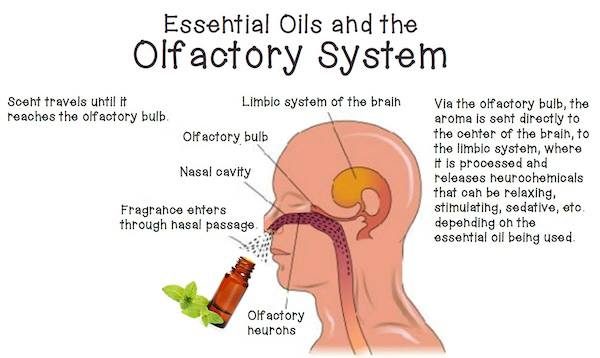
From an evolutionary point of view, the olfactory sense is the oldest of the senses and is connected to the limbic part of the brain referring to emotions, behaviors, and memories. It also houses the amygdala, which is responsible for the fight, flight, or freeze response. Smell is directly connected to the brain, while all of the other senses are routed through the circuitry of the central nervous system. Because the sense of smell is connected to emotions and memories, a simple smell has the power to trigger a cascade of emotions and vivid memories. It also has the power to support emotional wellness and stability in powerful ways that other interventions are unable to accomplish.

Essential oils interact in the body at a cellular level. Benefits can be noticed in as soon as 30 seconds after inhaling the aroma. As aroma comes into the body, the molecules are dispersed throughout within twenty minutes. They are metabolized just as and food, beverage, or medicine, and another “dose” will be required within 4-6 hours to sustain the desired effect.

Since our emotions are so rich with complexities, essential oil blends seem to be best suited for the job. Like the idea of “two or more gathered…”, the same is true for the oils and some combinations are known to have special synergistic properties that aren’t possible with the single oils, the sum is greater than the parts.

The word emotion stems from “energy in motion” and the oils support moving the energy through our bodies rather than repressing them which will eventually lead to blocked energy and some manifestation in the body. While we may resist dealing with uncomfortable emotions because, well, they are uncomfortable, the role of the essential oils as I have experienced them is to buoy this process. And while it may get worse before it gets better, essential oils tether the experience in safety and stability and light. You aren’t going down, but through and up.

It’s important that the essential oils are of therapeutic medical grade. Synthetic aromas not only do not provide benefits but have been shown to disrupt hormone balance.

The following are the blends that I have found most useful for myself and my family. Click on each on to learn more about the unique combination of essential oils that each contains.

Anxiety is usually related to worry about the future and things that haven’t happened yet. The imagination can really take over here and this can easily spiral out of control when it isn’t recognized and managed. The aromas of trees and support grounding the emotions back to stability while florals are calming and reassuring.

  • Balance Grounding Blend is my favorite and I use it every day.
  • Serenity Restful Blend is great to help calm down thoughts and emotions and get some restorative sleep.
  • Peace Reassuring Blend powerfully supports moving through intense emotions and arriving at a space of peace and clam.
  • Console Comforting Blend – This blend will always be special to me because it supported me through some of the darkest of times. I don’t prefer to categorize the oils like this, but it can be a helpful starting point. This blend is the top pick for grief, depression, and working through deep, low emotional states.

Depression is related to being stuck in the past and unable to move forward. It feels heavy and desperate, like there’s no way out. Citrus aromas are uplifting and support moving through the muck and out of the swamp. Spices are renewing and help to spark that passion and curiosity back to life.

  • Cheer Joyful Blend– This is a great citrus and spice blend and reminds me of the holidays. All of the blends come in diluted roller ball blends that are perfect for applying to pressure points (which are often the same a perfume points) throughout the day.
  • Citrus Bliss Invigorating BlendThis is the best example of how uplifting citrus scents can be. I can’t imagine how it’s possible to inhale these aromas and not smile and feel some level of contentment.
  • Passion Inspiring BlendThis blend is heavy on the spice to spark the “spice of life”. Enhances creativity and inspiration.

Moods regulation by nature varies from time to time and that can make it a moving target seeking stability as provided by the ancient, sacred oils like frankincense, myrrh, patchouli, and sandalwood.

  • Forgive Renewing BlendThis blend is all about grace and compassion and moving forward. Yes, we can acknowledge that we have been wronged or have wronged another, and then we move on. Tucking things away and not dealing with them put us on track to be unwell at some point in the future.

Best General Blends for Emotional Wellness

  • Motivate Encouraging BlendTogether with Balance, this is one of my favorites. This beautiful blend of peppermint and citrus with the serious infusion of Melissa creates a truly powerful blend. When I need to put my head down and get productive this blend helps me get motivated to get in there and get it done.
  • Elevation Joyful BlendI call this blend “happy calm” and when my kids were younger I would put diffuse it in the house when they came home from school and in the evening. One of my favorite things about using essential oils for emotional wellness is that it’s a tool and you get some control – and I love to be in control!
  • OnGuard Protective BlendWhile we tend to associate OnGuard with physical immunity, it can also be quite protective in context of mental, spiritual, and spiritual wellness too. It’s a special blend of citrus, spice, trees, and herbs to uplift, inspire, ground, and comfort us.

Interested in starting a collection, the Emotional Aromatherapy Kit is a great place to start. The Spa Kit is another great option.

Click here to learn more about my favorite oils.

If you are interested in learning more about essential oils and which ones would be the best for you, email me at sheila@restorativelife.com and we will set up a brief wellness consultation.


Tips to ease the Spring time change

“When sleep is abundant, minds flourish. When it is deficient, they don’t.” –Matthew Walker, Why We Sleep

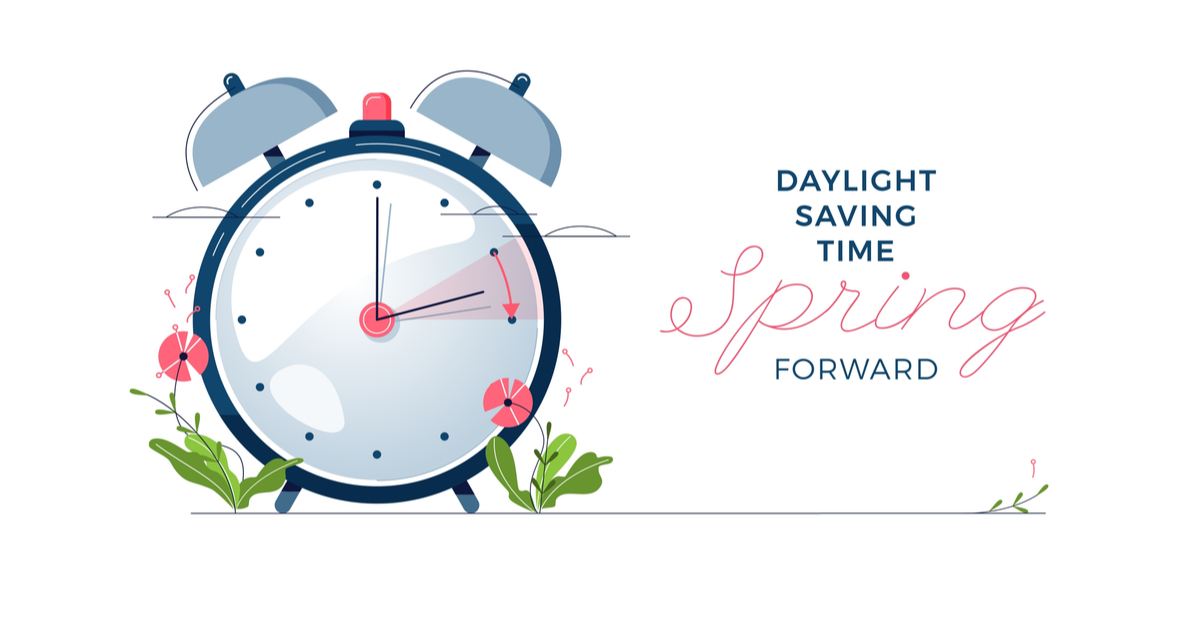
Daylight Savings is a false economy. It doesn’t really save anything. It’s actually a wonder that moving the clocks twice a year is still in practice given the amount of research that’s been done and its detriment to health, especially mental and emotional wellness. Spring is worse when it’s essentially imposing a sleep deficit. “March madness” rings true for many and those struggling with mental illness tend to have heightened symptoms around this time. Emergency rooms statistics also show an increase in activity around the time that the clock “spring forward” specifically related to heart attacks and car accidents. It has been shown that “sleepy” driving is more dangerous than driving under the influence of drinking or drugs. Because we lose one hour of the 24 hour day when we “spring forward”, the spring time change is really about loss of sleep.

Every year we voluntarily endure a collective jetlag. It’s rarely acknowledged and we are expected to carry on in our usual routine. However, there’s nothing usual about eating breakfast everyday at 7, then suddenly switching it to 6 am; it would be disruptive. And that’s essentially what we are doing. Even for those who are lucky enough to avoid the time change locally, everyone is still affected in some way as schedules everywhere else are shifting with the newly identified hour. I wonder if it would be better overall if it happened Saturday morning (Friday night) instead of Sunday morning (Saturday night), then we would all have an extra weekend day to adjust. It’s bad enough that electric lights and screens already induce us to be out of sync with natural cycles of light and dark, sleep researcher Matthew Walker has found that “inadequate sleep—even moderate reductions for just one week—disrupts blood sugar levels so profoundly that you would be classified as pre-diabetic.” In addition to blood sugar levels, lack of sleep is associated with immunity, memory, energy and endurance levels, hormone balance, physical coordination, and more. No wonder we don’t feel quite right in the days and sometimes weeks immediately following the time change.

The best option of course would be not to mess with the time at all. Until that happens, we can inform ourselves of best practices that have been found to manage our way through the challenging days with as little disruption as possible.

This year in 2021, Daylight Savings goes into effect starting March 14 in the U.S. and Canada, and March 28 in the UK and EU. Pay attention to your energy levels and routines at this time to have a smoother adjustment.

  • If possible, don’t schedule too much in the mornings. Gently altar your waking time by 5-10 minutes each day. Start before the time change happens if you can.
  • Stand near a window or outside in the daylight as soon as you wake up. Get sunlight in your eyes if possible. This helps with hormone regulation of the cortisol and melatonin schedule. I’ll explore that more in a coming post specific to circadian rhythms.
  • You may not be hungry at regular mealtimes. Don’t eat if you’re not hungry. I’m going to repeat this one, don’t eat if you’re not hungry. Anything consumed to avoid hunger later will not be digested properly. It will cause gut discomfort and/or be stored as fat. Wait and enjoy the next mealtime with a hearty appetite. Occasional Intermittent Fasting, especially for the evening meal may help improve sleep and encourage waking earlier.
  • Spend as much time as possible outdoors and do lots of movement and physical activity. Physical fatigue is helpful towards restorative sleep.
  • Be disciplined about turning off electronics earlier than usual to shift the bedtime hour. Dim the lights in the evening or even light candles to trigger melatonin release to prepare for sleep.
  • Avoid sugar and caffeine for regulating energy. While it may work in the short term, it’s actually damaging and encourages fluctuations in energy levels. Keep hydrated to maintain your energy throughout the day.
  • Eat plenty of protein and healthy fats. Mental wellness in particular depends on getting sufficient healthy fats in the diet which include olive oil, coconut oil, grass fed butter, ghee, avocado, fatty fish, and seeds.
  • Allow for a short nap if necessary. You will restore your energy and contrary to popular belief, it won’t interfere with your nighttime slumber as long as the nap is less than 90 minutes.