Seed Cycling

“Let food be thy medicine and medicine be thy food.” ― Hippocrates

If you haven’t yet heard of seed cycling, it may not be long. While there are skeptics and those who doubt the power of food to support health, it’s being shared widely on social media and health blogs because people are having good results with it.

Seed cycling uses a variety of seeds to support hormone balance, fertility, and to ease the symptoms of menopause. There is a lot of anecdotal evidence that it reduces problematic symptoms related to the menstrual cycle and the hormone roller coaster that issues. Menopausal and post-menopausal women can still benefit by cycling the seeds according to the moon cycle and referring to the New Moon as Day One. I started seed cycling last year and I continue to do it because I have noticed that over time it has supported restoring and maintaining hormone balance.

**important disclaimer – If you have dealt with breast cancer or if you have a estrogen or progesterone sensitive tumor, consult your physician prior to engaging in seed cycling. I am trained as a health coach and I am not a medical professional.**

How seed cycling works works:

Phase 1: Days 1-14

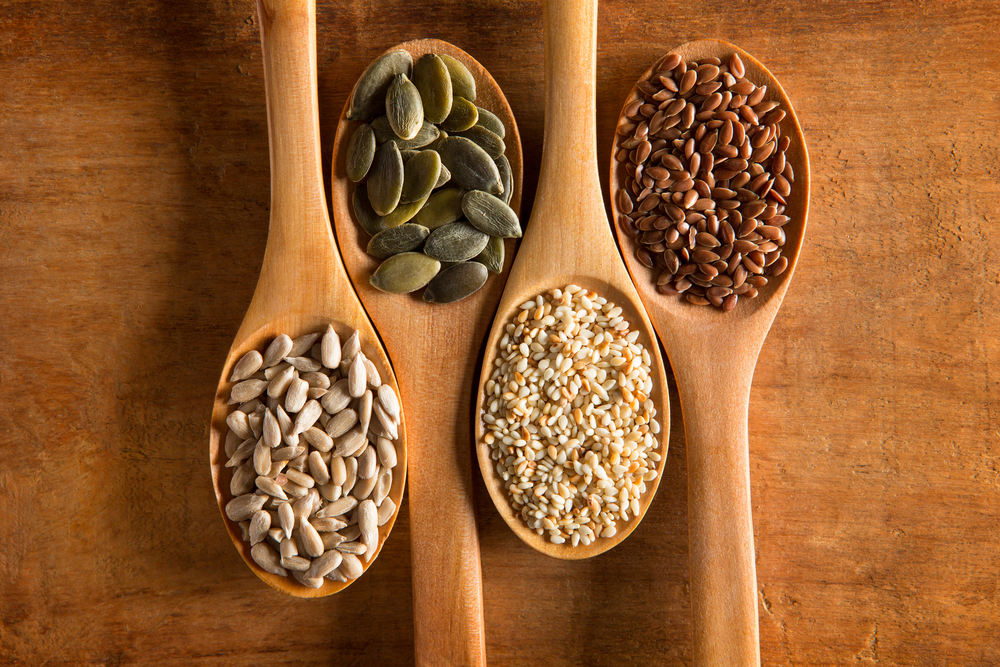
Starting on the first day of menstruation (or on the new moon), consume 1 Tablespoon each of ground flax seeds (linseeds) and pumpkin seeds and added to you meals in any way you chose; smoothies, yogurt, porridge, soup, and so on.

It’s best to grind the seeds fresh each day to get the most nutrition. It is said that the seeds are best ground because it expands the surface area of the seeds allow for greater absorption of the nutritional content. I have a small coffee grinder that I use only for grinding seeds.

Phase 2: Days 15-28

Starting on Day 15, or alternately on following ovulation if that comes sooner, switch to 1 Tablespoon each of ground sesame seeds and sunflower seeds for the remainder of the month.

Why seed cycling works:

It’s all about restoring balance. There are all kinds of hormone mimickers in the environment, especially estrogen that are prevalent in plastics and cosmetic products. They actually become present in the body and send our hormones out of balance with too much estrogen. To make matters worse, excess stress contributes to the depletion of progesterone which coupled with high estrogen leads to the cause of experiencing PMS symptoms such as headaches, cramping, moodiness, acne, weight gain, and is related to low libido and thyroid problems.

During phase one, flaxseeds are the phytoestrogens supporting estrogen balance that is naturally increasing after plummeting just before menstruation while pumpkin seeds contain zinc, which has been shown to reduce cramping.

In phase 2, sunflower seeds and sesame are high in vitamin E, which has been shown to support production of progesterone, which in a healthy cycle rises following ovulation in the second half of the month.

Seed cycling is rooted in deep nutrition and using diet as nutritional therapy. I first heard about Seed Cycling when reading a book called The Metabolic Approach to Cancer by Dr. Nasha Winters and Jess Higgins Kelley which extensively explores how utilizing food is used as medicine to regulate balance in the body to support the elimination of cancerous cells and other diseased cells in the body. Her research exploration is based on the metabolic theory of cancer for which Otto Warbug was awarded a Nobel Prize in the 1920s. While this book explores metabolism it is also recognizes that hormone balance is a key factor in the process of healthy metabolism and essential to complete wellness both in the body and in the mind.

Seed cycling works to support the hormone fluctuations of the menstrual cycle and the phases that occur through the month. It has the potential to reduce symptoms of hormone imbalance and there appears to be no harm in trying it out. While there is certainly a role for strong medications, we must consider that they often come with side effects. It may take a little longer, but in many cases it’s possible to arrive at similar results with appropriate dietary adjustments with almost no risk of negative side effects. Be aware that it may take up to three months for the benefits of seed cycling to to kick in, so be patient and trust the process of your body restoring to balance.

Recommended reading to understand more about the role of food in deeply nourishing our bodies:
Deep Nutrition by Dr. Catherine Shanahan
The Metabolic Approach to Cancer by Dr. Nasha Winters and Jess Higgins Kelley

21-Day Challenge May 2020

“The goal is not to be better than the other man, but your previous self.” –The Dalai Lama

The 21-Day Best Self Challenge is a lifestyle exploration as part of the journey to growing into the best version of ourselves in body, mind, and spirit. As a participant, you will receive group coaching by means of resource materials, daily emails, multiple videos per week, menu planning support, recipes, membership in a private Facebook Group, and more. Sign up now, we’ll start on Monday!

Join me for a  21-Day Best Self Challenge starting May 4!

I don’t know about you, but with the days and weeks all blending together, I’m ready for a full-on reset to focus on supporting the direction I want to be moving in within the spheres of my body, mind, and spirit. When they “let us out again” (whatever that really means…) from lockdown and shelter in place, I want to be confident that I’m showing up as the best version of myself.

In the spirit of Ecclesiastes 3 from the Old Testament of the Bible (…that was put to song by the Byrds in Turn, Turn, Turn), There is a time for everything, and a season for every activity under the heavens. After several weeks of managing a new reality, perhaps It’s time to re-instate some discipline and routine in our lives and intentionally make choices to create the lives that we truly desire. It’s time to accept where we are in the present moment, assess where we are going, and aspire to succeed.

One of the keys to my sustained success with maintaining a healthy diet is by having periods throughout the year that I really focus on what I’m eating and paying attention to how my body is feeling. I used to do it just once a year in a longer chunk in January, but in recent years, I’ve been doing it several times a year for shorter periods of time. While a four-week or six-week program can seem long, twenty-one days somehow feels a little more manageable with more facility to complete the course. The good news is that 21 days is long enough to make some solid changes in habits and be on the path to even bigger shifts toward your ultimate best self.

Let’s face it, we all know WHAT we need to do – we’ve been reading about it for years at this point. I know that for me for me the more time I spend consciously focused doing what I  believe that I “should” be doing, the more that becomes the default in terms of daily choices related to food, movement, sleep, technology, and more. Knowing what to do isn’t good enough and isn’t going to give any results. What’s lacking for so many of us is actually DOING it. Have you been wanting to make some changes in your diet and lifestyle habits? Are you feeling sluggish after several weeks of lockdown with plenty of comfort food? Want to feel fresh and energized moving into the summer and hopefully some version of socializing? Are you ready to shed what haven’t served you and grow into an even better bolder version of yourself?  Starting May 4, I’m offering a 21-Day Best Self Challenge.

Join me for a  21-Day Best Self Challenge starting May 4!

During the course of the 21 Days, you will receive daily emails exploring a variety lifestyle aspects including movement, diet, technology, sleep, stress, sunlight exposure, and  much more. You will learn the foundational tenants of Primal Health (aligns very closely with Paleo and also referred to as Ancestral Health). This time around, I will also be exploring practices rooted in Ayurveda, Traditional Chinese Medicine (TCM), Native American wisdom, and latest research on supplements, immunity and more. You will have an opportunity to see for yourself how this lifestyle supports vitality and wellness based on science like biochemistry, molecular biology and nutrition and also based on ancient wisdom.

Truth be told, I’ve tried a lot of different diets and plans over the years. I’m grateful for all of the unique experiences because I’ve learned something from each and every one of them along the way and I want to share what I’ve learned. With the current time and global pandemic, we have all been experiencing constant change and adjustments from week to week. We will tap into that energy of presence and explore more frequent revisions though the duration of the program with a lot of space for to adapt and customize rather than follow a set framework to follow for the full 21 days. I will provide resource materials and guide you through goal setting and reflection processes.

This is a great opportunity to try out some new practices for a few days at a time and then upon reflection decide to continue with those practices or try something else – all during the process of the 21-days.

Join me for a  21-Day Best Self Challenge starting May 4!

The 21-Day Best Self Challenge reaches far beyond weight loss and I consider it to be a lifestyle exploration as part of a journey to growing into the best version of ourselves in body, mind, and spirit. This is about feeling good, feeling strong, reducing inflammation, clearing the brain fog, regulating a positive mood throughout the day, reducing stress, feeling rested, having increased confidence, improved insulin sensitivity (potential to reverse pre-diabetes and T2 diabetes), improved memory, hormone regulation, healthy skin, improved GI function, reduced muscle and joint pain, and more. I won’t promise you will have all of this in 21 days, of course, but if any of these ring true for you, there is so much potential to support yourself with a nutrient rich diet and a more mindful perspective on daily routines of movement, sleep and other lifestyle habits.

Join me for a  21-Day Best Self Challenge starting May 4!

In addition to the daily email message and suggested daily goals and intentions, you’ll be a part of a private Facebook Group to share experiences, ask questions, get recipe ideas, and know that you’re not alone in this challenge. This online community is a great way to both give and receive encouragement and accountability with others in the group. The group is private, so you’ll have the freedom to share within the group knowing that it’s a safe space to share both successes and also challenges. Many participants have found that they often same the same struggles and support each other to work through the tough patches. Most importantly, it’s a place to show up for yourself and participate with others. I’ll be posting some of my favorite recipes in addition to how to navigate restaurants and social occasions and answering any questions that you have. And new this year, I’ll have live videos at least twice per week featuring movement routines, recipe making, general info-sessions, and anything else that fits appropriately in this space.

Join me for a  21-Day Best Self Challenge starting May 4!

Here’s what others are saying about past 21-Day Primal Challenges:

“I was surprised at how easy it was to follow the primal challenge. I like carbs, sugar, and wine, but once I made it past the first several days, my body responded and I found it easy (mostly!) to make healthy choices. Sheila’s support and the bite-sized chunks of information meant that I wasn’t overwhelmed up front. It was great to be able to share tips with the Facebook community too. After the 21 days, my stomach felt noticeably less bloated and I had lost several pounds. I felt energetic and unlike other challenges, I wasn’t eager to go back to my old eating patterns because I felt better!”
-Sara, Graduate Student

“I was skeptical at first to try yet another diet…until I lost almost 5 kilo during Sheila’s 21-Day Challenge. I found Primal Health to be an inspired nutrition and lifestyle behavior program that’s easy to slot into your life without drastically changing your daily routine. I’m very grateful for how Sheila has transformed my way of thinking about food by suggesting recipes, menu ideas, and ways to navigate all my food allergies. The best part: I’ve kept the weight off.”
-Susana, Financial Advisor

“I really appreciated this challenge.  I was not able to do it exactly as suggested, but it did give me new ideas for what to eat and how to exercise.  I liked having something new to try every day.  It kept my mind on my health.”
-Christina, Special Education Teacher

Join me for a  21-Day Best Self Challenge starting May 4!

Join us for the challenge starting May 4. My goal is to our biggest group to date and spread the health far and wide. Your body is your vessel for all of things that you love to do in life, and it’s amazing how good you can feel when you are acting on what you already know to be the “right thing to do”. It’s a process and by joining me for 21-days, you’ll have some great tools to be more mindful about so many parts of your daily life that contribute to your overall well-being. Furthermore, this may be the last time that I’m offering the challenge for Free, so if you’ve been thinking about joining, now is the time. To sign up, click on one of the links, or complete for form included below.

Finally, if you know someone who would benefit or be interested in this program, please pass this on so they will have the opportunity to sign up too. Even better, consider doing the challenge together with a friend or family member. You’ll have each other and the Facebook group for an abundance of support and accountability.

Join me for a  21-Day Best Self Challenge starting May 4!

Your Best Self Checklist

Knowing is not enough;
we must apply.
Wishing is not enough;
we must do.
-Johann Wolfgang von Goethe

Today’s post is longer than usual and details how to make a checklist to support your best self each and every day and why it’s so important right now. This list is like your own personal magic potion and it will change from week to week. It’s a combination of ensuring that your basic needs are met while also making space each day in very small increments to move forward with your unique gifts and goals, your talents and desires. While it’s easy to be stuck here with our heads spinning after the last several weeks of experiencing the global pandemic, there is so much energetic potential to harness towards our greatest good. Think of the rare flowers that appear only after a destructive wildfire, the lilacs that blossom only after the deep freeze of winter, or the luxurious wines made from grapes that survive a stressful growing season.

***For the fast track of this post, skip ahead to this symbol to the action section. However, if you can spare an extra couple minutes, it’s worth reading through to capture the full story and concept.

We are in the wake of the Easter holiday this week in which the Christian tradition celebrates the resurrection, the rebirth of Christ following the death by crucifixion. Spring is abundant with symbolism of rebirth from the Equinox and various New Year’s celebrations in March to the first day of the month on April 1, to Easter, to the planting of new seeds and nurturing the seedlings, and other celebrations marking the beginning of the growing season. Rebirth is THE LESSON of spring and it doesn’t have to be limited just to spring. Rebirth can happen anytime; in a new week, a new day, and even in a new hour. We have all experienced the death of the world as we know it and it’s a great time to practice renewal every single day.

We have slowed down from the hectic rapid pace of our lives, but we don’t have to stop completely, we can still move forward. When I was cycling regularly a few years ago, we would go out on long rides every Saturday for rides of 60, 70, up to 100 miles for the day. In the Marin Headlands north of San Francisco there are a lot of hills and steep inclines to navigate during the route each week. Just as we would be cruising along enjoying the scenery, we would suddenly be riding uphill and have to adjust the gears. We did this often to maximize our individual potential in the different terrains. Even at various points in the ascent, we would shift gears according to the degree of steepness. Inevitably, we’d have to move into the lowest gear and focus the efforts to successfully manage the climb. Then it was a matter on carrying on spinning at the newly adjusted pace and accepting that although we were moving forward very slowly, we would eventually reach the top. For some riders, the slope didn’t slow them as much, but for me it was a massive case of the lesson from the Tortoise and the Hare: Slow and steady wins the race and I learned to embrace that. I didn’t stop, I kept moving and I arrived at the destination. The pace didn’t really matter; I knew I would arrive.

While we may not know exactly what the destination is at this point or how long this shelter in place/physical distancing/quarantine will last, we can settle into the fact that it is temporary and it may well be to our benefits to keep moving forward even at an exponentially slower pace than we are accustomed. Because we are in unfamiliar territory and don’t have routines to fall back on, a checklist will provide support to establish the reality that we want to be living in.

I’m not here to deny that things are intense right now. What we are all are witnessing and experiencing is difficult and distressing. And it’s also unusual because it’s the same yet different for each of us. The best way I’ve heard this described is that we are all in the same storm, but in different boats. However you consider it, we are all doing something we’ve never done before. Interesting that so far this year, I’ve written about Getting comfortable being uncomfortable, Taking things once day at a time, and Establishing habits. Well friends, here we are with an opportunity to focus on all of that. At the outset, we approached 2020, both a new year and a new decade, with such excitement and anticipation, it has certainly has unfolded differently than expected. We have to adapt and adjust and we might even create something better in the process.

Now that the initial dust has settled, there’s space to regroup and assess specifically what we need to function our best in mind, body, and spirit each day. There is possibility to move away from fear and come out at the end of this better off than before, but it’s up to us. It’s like the astronauts in Apollo 13 when an oxygen tank failed. We need to determine our current resources and use them to their greatest potential so that we can maintain and even up-level our health, energy, and sanity.  And for those of us looking after children and families, this is even more essential because we have to put on our own oxygen masks first. We will survive this one way or another and each day we get to decide which way we are going to show up, for better or for worse, literally.

The bad news is that it seems that we are all going to be in this teetering situations for a minimum of 3 more weeks and likely even longer, the good news is that this is the basic amount of time to plant the seeds to establish a new habit and even a new routine. Are there ways you can improve your life and wellbeing in 5-15 minute chunks? It’s not really helpful to think with the mindset when things go back to normal because “normal” will never again be as we have known it. Every week things are changing. The best way to navigate the changing landscape of our lives is to have a plan that can adjust to the undulations and tumultuousness of this time. While 3-4 weeks appears to be a best-case scenario, things will become re-established in stages that are likely to go on for several months.

The only thing certain is change. –Heraclitus.

*** Now, the fun part, the checklist. The purpose of the checklist is to have an anchor, a reference point to focus on things that keep you well and in forward motion rather than getting swept away in a wave of negativity or despair. Also because even though we know we should be doing things like drinking plenty of water and reducing screen-time before bed, we aren’t always likely to do them without some accountability and motivation. I started to get caught in that current a couple of weeks ago and I had to find something to bring me back to the shore. Once I realized I needed to Clear the air energetically, I felt ready for more. I made a list of all things I wanted to do each day that would bring out my best self. I kept the expectations relatively low and hoped to do it for ten days and then “we’ll see,” I said to myself. I called the list the April Reset after drinking wine, eating cake, and staying up late during the first weeks of the lockdown. That was all fine then, after having had our world shaken up and dumped right out, but it was time to move on. I put the list in a notebook and drew out the grid to check things off each day. I would do yoga and write in my journal, have gratitude, drink plenty of water, take my vitamins, say affirmations, send a text, voice, or video message to at least one person, go for a walk, practice Italian for 10 minutes, read or listen to a book, do a writing exercise, delete emails, take a nap, listen to music, laugh, take an Epsom salt bath, and floss my teeth (something I always intend to do and have never made a good habit of it.) It’s a full list and it nearly filled up a page. Most of the things on the list could be completed in 5-15 minutes. Once I did something on the list, I got to put a checkmark in the box and I felt a sense of accomplishment.

At the end of the week, I had filled up most of the spaces, but not all of them. That was okay because it was feedback. I took a nap 4 of the 10 days, a bath 5 times. I did zero writing exercises. I noticed that I felt better and the list gave me a sense of purpose. During each day, if I wasn’t sure what to do next, I referred to the list and do something on the list. If I hadn’t laughed yet, I would go online and look for some funny memes or videos to make me laugh because I know that laughing makes me feel good. I noticed that I was spending much less time on social media and mindless checking of news websites. I was still checking on things, but it wasn’t driving my days. I also noticed that during the weekend, I didn’t do some things like yoga and delete emails but I took more naps and baths. I added highlights to those columns to distinguish weekend days from weekdays.

I felt pretty good at the end of ten days, so I made another page to be sure I would continue doing all this stuff on the checklist. Now that I’m starting the third list, I realized that some things are pretty solid now like taking vitamins and drinking plenty of water, so they aren’t on the list anymore. I added morning meditation and some physical therapy exercises for my shoulder that gets tight during stressful situations. I also added watch tv to my list because I tend to keep myself busy right up until it’s time for bed and I recognize that I need to take more time to relax. For now, I have writing exercise on the list even though I haven’t done it yet, but I am hopeful that one day I will sit down be able to focus on a writing exercise. I’m even thinking of what I can add the next list, both drawing and playing a musical instrument are vying for a spot.

The Best-Self checklist is a list of things that nourish your body, mind, and spirit. It’s super self-care. We need super self-care right now because so many new things are expected of us.

Start by thinking about what makes you feel good, calm, and at peace. Write it all down in a list. Maybe you tried some things on the list from last week’s blog and enjoyed them or felt uplifted by them. Also think about times you haven’t felt so well and eventually felt better. What contributed to getting through it? Body, mind, and spirit are all connected, so meditating will help the body and going for a walk can help the mind, they aren’t mutually exclusive. Are you getting the basics? Sleep, nutrition, and plenty of water? Are you keep yourself too busy? Or the contrary – too much time doing nothing? Also, what do you love to do and what goals do you have? I had been enrolled in an online Italian class, and I want to continue learning Italian. Maybe there’s a passion project or growing a garden that you didn’t expect to have time for this year. Practicing an instrument, making a recipe, drawing – creating anything will provide a sense of accomplishment and boost the spirit releasing hormones that enhance physical function. How about something you’ve always been meaning to do that you could start to explore for 10 minutes each day? There is no pressure and it doesn’t matter if you don’t do it, rather, it’s an acknowledgment of something you’d like to have in your life. At the end of the day, life is composed of those little things that we choose to do each day. Choose well!

Once you have these items written on a list, simply put a checkmark next to the ones you do each day. If you like, you can get fancy and draw out a grid, but it’s not necessary. A simple piece of paper will do.

One of the greatest gifts of slowing down in the past several weeks is that it has forced us into the present moment, that elusive slice of time that we struggle to capture while our minds and attention so easily focuses on the past or the future. Each day, each hour, each moment is unique to the last and we don’t know what will happen the next. Having a list of things that bring out the best in you allows you to ask yourself throughout the day, what do I need right now in this moment?

The only thing that is ultimately real about your journey is the step that you are taking at this moment. That’s all there ever is. -Eckhart Tolle

To help you get started, I’ve included a huge list of possibilities for your list. Choose as few or as many as you like, but also be realistic of what would actually be possible in a day within your current reality. After the first 7-10 days you will be better able to assess how much more you can add what makes the most sense moving forward. It will be totally different for each one of us. While some of us need to get dressed each day, others need to be ok with a pajama morning; some of need less time on the sofa, some of us more, it totally individual and needs to be customized to express of your own best self. This list is private, just for you to see. There’s no judgment. If you don’t do it one day or ever, it’s just that, you did something else instead.

We’ve already had 21+ days of shelter in place, long enough to start establishing routines that may eventually become habits. We have slowed down and shifted gears and hopefully are still moving forward even the smallest of steps. Are your current daily activities contributing to progress towards your best self? I know this may sounds harsh, but even in times of challenges, we must rise to the occasion and adapt. We have a choice everyday to be making forward, negative, or neutral progress.

Growth requires movement and often the only way forward is through the exit door. –Alicia Keys

Things that might be included on the list:

  • Get dressed.
  • Take a shower.
  • Take a bath.
  • Do a face mask.
  • Exfoliate.
  • Floss,
  • Wash face.
  • Brush teeth.
  • Make your bed.
  • Apply lotion to dry skin.
  • Put hand cream on when you wash your hands.
  • Use foot cream on heels.
  • Wear a necklace.
  • Wear perfume.
  • Paint your nails.
  • Use essential oils.
  • Take vitamins.
  • Drink only tea (no coffee).
  • Drink decaf coffee.
  • Drink hot water with lemon in the morning.
  • Drink only herbal tea or water after 2 pm.
  • Take a short walk around the block or around the house after a meal.
  • Eat breakfast.
  • Practice IF and skip breakfast.
  • Drink plenty of water throughout the day.
  • Chew gum.
  • Do 1 push-up and add 1 every other day
  • Do 10 squats.
  • Do 10 jumping jacks.
  • Sit on the floor and then get up again (this is something related to maintaining mobility as we age)
  • Do Physical Therapy exercises for hip, shoulder, knee wrist, and so on
  • Do 15 min yoga video and increase by 5 min each week.
  • Dance to your favorite song.
  • Stretch.
  • Use foam roller.
  • Escape in a good book.
  • Listen to music.
  • Play a musical instrument.
  • Practice a language.
  • Laugh.
  • Sing.
  • Look at old photos.
  • Light candles.
  • Send a message to a friend.
  • Call a friend.
  • Turn off all electronics for 20 min and longer.
  • Create a new recipe.
  • Eat dinner on the fine china.
  • Plant seeds.
  • Water the seeds/plants/flowers.
  • Pull weeds.
  • Walk barefoot on the grass.
  • Lay on the ground.
  • Stop and smell the roses, lilies, lilacs, orange blossoms, wisteria, magnolias, jasmine, everything all around the world that is blessing us in full bloom with intoxicating aromas right now.
  • Learn more about history, geology, math, anything.
  • Meditate or pray.
  • Say affirmations.
  • Take several deep breaths.
  • Write in a journal.
  • Create something.
  • Knit or crochet.
  • Sew.
  • Draw.
  • Paint.
  • Write poetry.
  • Write a story.
  • Do a coloring book or print a page to color.
  • Do a jigsaw puzzle.
  • Play family games.
  • Be kind.
  • Be positive.
  • Don’t complain.
  • Help others however possible, even if it’s saying a prayer or a blessing.
  • Tell someone you love him/her.
  • Take a walk.
  • Take a nap.
  • Spend time outside.
  • Watch the clouds.
  • Sit and watch a movie.
  • Stop watching so many movies.
  • Clear out emails.
  • Organize photos.
  • Deep clean one room each week.
  • Do the dishes.
  • Don’t do the dishes.
  • Turn off all screens one hour before bed.
  • Go to bed by 11 (or whatever time is best for you)
  • Allow yourself to feel sad/angry.
  • Cry.
  • Be silly.
  • Have gratitude.


Clearing the Air

How are you doing this week? We’ve all been on some kind of lockdown for a couple weeks or more by now. We are grieving too many things to mention including the way of life we have always known. Did anyone think R.E.M.’s song It’s the end of the World as We Know It would ever resonate with such truth? (Except perhaps the subtitle of the song – and I feel fine…) It feels disorienting like we have lost our compass back to normal because what was normal just last month no longer exists. At this point the energy in homes can really start to stagnate, especially if you are in a house full of people. It’s time to clear it – NOW!

Our homes are meant to be a place of safety from the outside world. And while technology has made it possible to connect and continue to work and attend school from a distance, the residual energy from meetings, classes, group chats, and so on, starts to seep in. Add that to already cramped quarters and overlapping into one another’s space and collective feelings of anxiety, uncertainty, and fear. Then there are the leftover odors from meals, the devastating messages being broadcast on the news, and even the disturbances from violent and sinister movies and television programs can permeate into our personal space. Anyone feeling like the air is feeling heavy and tense?

“To clear the air” is an expression that means to remove bad feelings between people, usually by talking about it. In this case, it’s important that we attend to the air, the space that we inhabit, as often as possible to be free and fresh from the past. Emotional contagion is real and when sharing space we need to engage practices of clearing the air so as not to absorb lingering negative energy from others nor to allow any negative energy to fester. It is true that some of us are more sensitive to that than others, and for those of us who are highly sensitive, it’s so important and necessary to recognize it and to take care of ourselves. Some of us may have been accommodating other family members and realize that we need to consciously make space for ourselves to be during this unusual time. Ultimately, we must do whatever is necessary to support our sense of comfort, calm, and safety for ourselves and for our families.

None of us are accustomed to living in such close proximity with others around the clock for days on end and it may become evident that some people tend to consume more energy than others; and some are more susceptible to picking up on or even to attaching to someone else’s energy. None of this is to be judged as good or bad, but rather as something to be aware of.

There are a variety of ways to clean the energy in a space and each one of them could be a deep dive into the history and warrant its own post. In the spirit of relevance and importance, I want to share this information promptly so we can begin to explore on our own. These practices have origins in feng shui, Chinese medicine, a variety of spiritual traditions, and there is much scientific research as well. I’m simply going to list everything that I have am familiar with (I’m sure there are even more). As you read the list, I encourage you to connect with your own intuition and past experiences into what resonates for you and start experimenting. It is highly likely that you have already been inclined to do many of the things already. If you are unfamiliar with something and feel drawn to it, do an online search and learn more about it or leave a question in the comments and I will do my best to supply some resources. Here we go:

  • Basic cleaning. Scrub everything down; dust, sweep, vacuum, mop, all of it.
  • Clear out the physical clutter. Get rid of old things and junk.
  • Rearrange the furniture.
  • Open the windows.
  • Open the front door and back door.
  • Boil a pot of half white vinegar and half water. Let it boil down until empty. The vapor cleans and disinfects the air.
  • Turn on Himalayan salt lamps.
  • Leave small bowls of salt in the corners of rooms. Empty daily.
  • Make a salt water spray to mist through the air.
  • Soak in an Epsom salt bath.
  • Burn candles.
  • Light incense.
  • Strike a match.
  • Diffuse essential oils – lavender, peppermint, and citrus scents are especially calm and refreshing.
  • Smudge the room with sage or palo santo.
  • Add plants and flower bouquets to the space.
  • Meditate and pray.
  • Bless the space.
  • Cast out dark energy and invite positive energy in.
  • Put out crystals to absorb negative energy.
  • Play uplifting and energetic music.
  • Laugh.
  • Dance.
  • Sing.
  • Have gratitude.

The best and only way to get through this pandemic is going to be one day at a time. It will be easier, lighter, and less burdensome when we give our space the attention that it requires and allow for each day to be a new day with a full reset.

Reflections on Daffodils

For oft, when on my couch I lie
In vacant or in pensive mood
They flash upon that inward eye
Which is the bliss of solitude;
And then my heart with pleasure fills
And dances with the daffodils
          From “I wandered lonely on a cloud” by William Wordsworth

As April began this week and I reflected on all that encompassed the month of March, I kept coming back to images of daffodils that remained a constant thread throughout. March 2020 will always be one of those times imprinted in our collective minds. Contrary to other events like 9/11 and when JFK was shot (for my parents’ generation), the Covid-19 pandemic is not a single moment, but rather a period of days and weeks. At first we saw the news from China and a situation developing there. We canceled trips to Asia and watched and waited. Some started taking precautions around London, but there was also a sense of “how could London even shut down?” It was unimaginable. Then Italy and Iran saw a rise in infections and other places still seemed ok. It loomed closer and closer until at last it accelerated throughout Western Europe, North America, and the world.

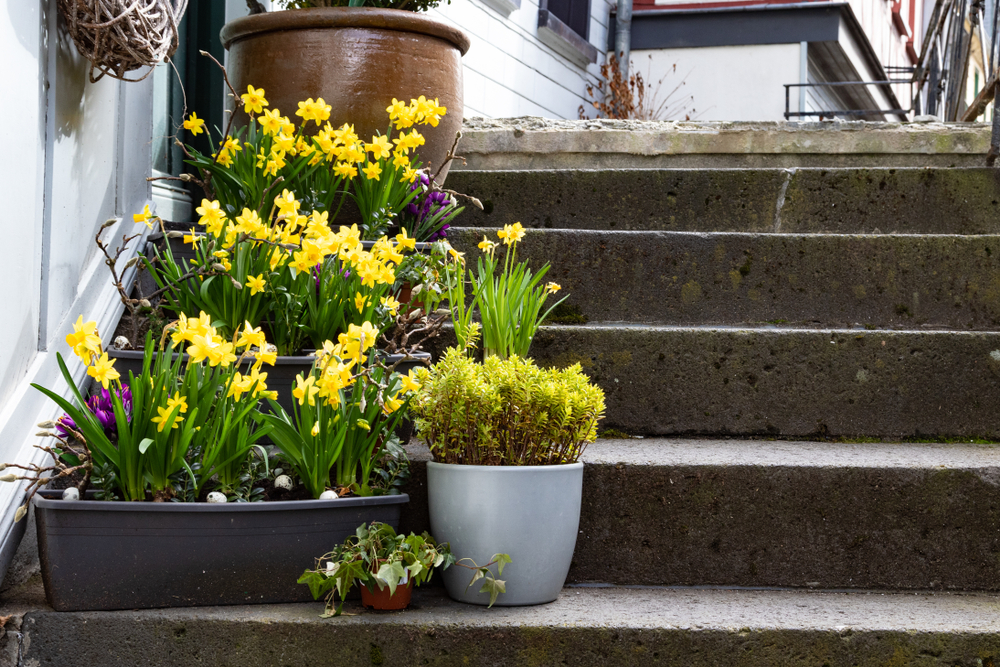
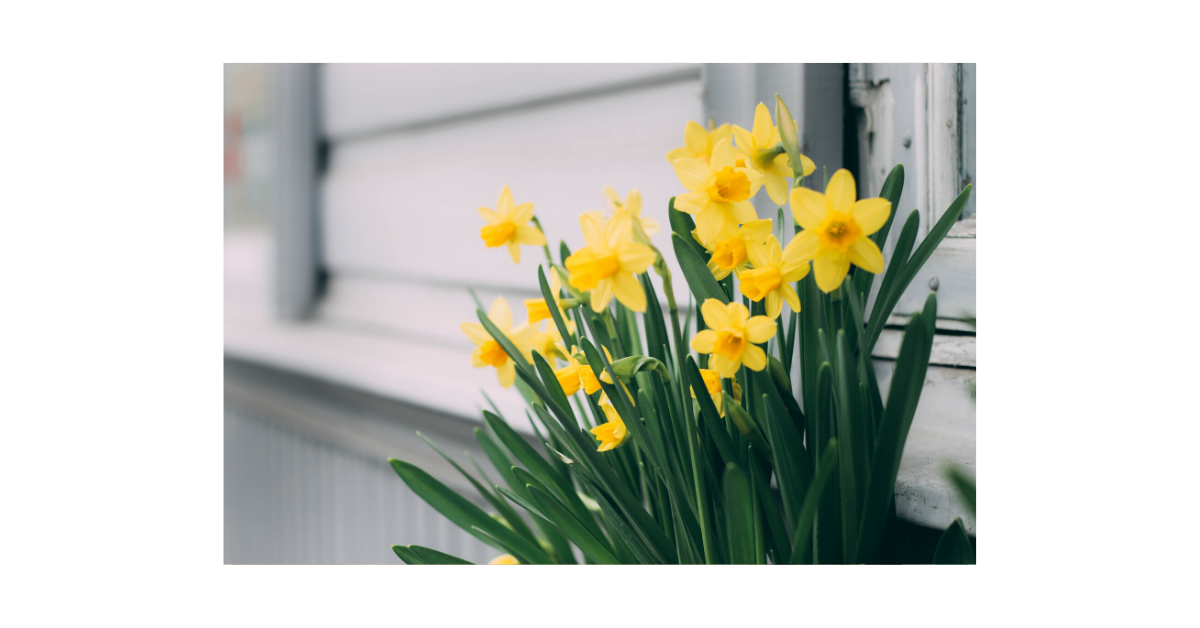
Amidst the scrambling to work from home, arrange flights and travel home for students and other family members, and the quest for toilet paper and essentials, there were daffodils everywhere and they always brought a smile to my face. Even as we left the house less and less often, the daffodils remained at the front door to greet us with their cheerful optimism. And now, as we conjure the words of William Wordsworth, we can lie on the couch and dream of the dancing daffodils.

While enduring the dramatic changes and anxiously awaiting the daily press conferences in our respective countries, the daffodils offered us the promise of spring. Every year, they are the first flowers to break free from the hard winter ground in search of light and sunshine. The bright yellow hues remind us of the sun even as winter persists. We tire of the dark and dreary days; and then the daffodil blossoms fill us with hope. It feels now as if we have entered a figurative winter in terms of being relegated to our homes across many countries. In this case, perhaps, the daffodils offer us a message of encouragement, that we too are tough and resilient. Like the daffodil bulbs in the fall, we have been buried under the soil of what our lives once were and must endure a period of cold and dark as we continue to seek the light. Like winter, what we are experiencing now is temporary, the light will return.

Daffodils are of the genus Narcissus named from Greek Mythology and there are several varieties. They start from bulbs. After flowering, they experience a period of dormancy and then regrow the following year. The word narcissus is also related to the word narcotic as it was once known to have an intoxicating aroma. Daffodils are given as a gift to ensure happiness and legend has it that they must be presented in a bunch, as a single bloom can represent misfortune. Daffodils symbolize rebirth and new beginnings and are said to inspire creativity. They are associated with forgiveness and are a suggested flower to offer as an apology. Daffodils are celebrated in art and literature across cultures for their gift of beauty. It appears that in addition to beauty, which can itself be intoxicating in our vulnerable moments of late winter, they offer plenty for us to ponder as we are reduced to staying at home looking upon our own reflections.

In Shakespeare’s A Winter’s Tale, “when the daffodils begin to peer…then comes the sweet o’ the year.” We will return to the sweetness of life; and until then, we have the couch and the images of dancing daffodils to make us smile and bring us joy each day.


Reality is settling in

I’m going to keep this as brief as possible because I know that we are all totally inundated with both information and emotions. For many of us, definitely for me, things got really real this week. After focusing so much initial energy and drastically shifting our lives according to social distancing and shelter in place guidelines, this week things have slowed down and started to settle. At first there was a novelty to it all and amidst the surge of adrenaline, we amused ourselves with memes and images of our new and novel quarantined lives. As the novelty dissolved and reality settled in, it has felt really  uncomfortable. As I wrote last week, we just went through the seasonal change of the equinox that symbolizes transition. Transitions are always challenging, but none of us chose this one and we are all in it together. We can handle the discomfort of sore muscles because we are training to run a marathon or endure being confined in a small space for hours with lack of sleep and bad food to arrive at a new destination. We are willing to go through a lot in pursuit of a goal or destination. This feels different because it is different.

While it’s relatively straightforward attending to physical needs and hygiene like washing hands, eating fresh foods, getting plenty of sleep and movement, and so on; we must also remember emotional and spiritual hygiene. At a time when there is so much intense energy swirling around our homes and our communities, it’s more important than ever to take deep breaths and stay grounded. I tend to focus on the positive and look for the silver linings, but this week that hasn’t come so easily and I’ve just had to feel everything. There is sadness due to the cancelation of weddings, graduations, vacations, and other celebrations. I’ve felt angry because I don’t want my life to be changing like this; I liked it just the way it was a couple of weeks ago. I’m concerned for all the suffering and the doctors and nurses who are completely overwhelmed. There are the collective emotions of worry and fear amidst daily uncertainty and frequently changing situations from place to place. On top of all that, I have been judging myself for lack of productivity and not feeling especially motivated.

At the recommendation of a close friend, I started listening to Brené Brown’s new podcast. She is a pillar of wisdom and she has an incredible ability to articulate heavy and challenging topics with both practicality and humor. If it hasn’t been on your radar yet, I extend that recommendation to everyone to turn off the social media and the news for a few minutes and take in her message to us all. (Listen to the Podcast here.) She reminds us that what we are experiencing now is temporary and also that it’s important to understand that everyone in the family will have different ways of processing everything and different levels of energy every day. It’s important to have the language for everyone’s needs to be heard and for everyone to get the rest they need. It is normal that we all feel out of sorts right now and it’s especially necessary to recognize that and support one another. Some of our previous household routines are no longer appropriate. Our own daily rhythms are going through a period of revision and will continue to do so as long as we all remain home together.

In order to maintain my mental and emotional wellness, I have made daily meditation and yoga practice an absolute priority. Afternoon naps are normal. I take an Epsom salt bath every night to let go of the day and calm my mind and body. I have been grateful for the early spring sunshine and for watching movies on Disney Plus which was finally released in the UK this week. I try to limit my time online and watching news and listen to music every day. This week I especially enjoyed The Yeah Yeah Yeahs, Björk, and George Gershwin. While I prefer to write little notes to friends and put them in the mail, I am shifting that to email since that’s the sensible to thing to do right now. And of course, family dinners are alive and well.

Thinking of you all this week. May you and your families be well and may your light shine through the difficulties and challenges.


Spring has arrived, and so has Someday

As North America and Europe and much of the world close the borders, schools, businesses, and send people to work from home, this week marked the first day of spring, the vernal equinox. The word equinox comes from latin, meaning “equal night”. It defines the 24-hour period that night and day are equal. In the spring it indicates that there will be more hours of daylight than darkness each day. (The opposite is true in the fall and for those presently in the Southern Hemisphere.) As the light returns, we often feel energetic, jubilant, and full of life. Last year, I wrote a piece called Out of Hibernation during the first week of spring as I could really feel the energy of new life and new growth ready to be expressed. This year, many of us are still left with our heads spinning after a rollercoaster week and trying to make sense of what the “new normal” will be and how long it may last.

We’ve been sent home from work, school, and had to cancel celebrations and vacation plans. University students have moved back home and we are told not to visit our elderly loved ones. It feels strange enough already and we are worried because there is so much uncertainty, but the timing is in contradiction to our usual tendencies during this time of year. We are being told to hibernate and isolate when what we really want to do is break free from the darkness into the daylight; and it feels surreal and unnatural.

In many cultures, the spring equinox marks the beginning of a new year. That makes a lot of sense. The springtime is full of new life after all. The warmth and light from the sun provide important life energy that allows rapid growth. Even in the context of defining a lifetime by seasons, it all begins in the spring; the birth, the growth, the maturation. The seed in the ground sprouts and develops. Traditions of spring cleaning takes place around the world as homes are cleaned of the old to make space for the new life and new routines to come. It’s a time for planting and for connecting. Spring represents coming out of the cocoon, new birth and fertility and is symbolized with eggs and bunnies and blossoms.

While it has initially felt very disorienting for the movement in our lives to have come to such an abrupt halt, there are opportunities here too for each on of us. Life can feel like we are on a hamster wheel and we are doing all kinds of things and ticking the boxes, but aren’t really going anywhere. We say things like, “Someday, I’m going to…” or “If I weren’t so busy, I would…” play more music, learn a language, read more books, exercise everyday, write a book, meditate, organize the photos, make art…” Fill in the blank of whatever is true for you.  While there are many essential workers who are steadfastly working to save lives, and provide support to communities in a variety of ways, many others are simply home, off the hamster wheel, waiting and watching as news unfolds each day. In some ways, it suddenly seems that without the daily commute and other things that fill our days, we have at least a portion of that time that we’ve been dreaming of to do the things that we really want to be doing. Someday may have arrived, but we must to be conscious enough to notice it.

Technology is a double-edged sword in this situation. It allows for many educational pursuits during this period of isolation and the ability to remain connected with family and friends. It is also a massive, endless distraction. How many hours/days would you like back having spent too much time online and on social media or being spoon-fed Netflix episodes? In order to take advantage of this opportunity, we must be mindful and practice with discipline. Start with just one thing at a time and build on that. Plant that one seed and nurture it. Make that new activity or pursuit a priority. New growths are fragile and require special attention. As I’ve written previously about habits, once new routines are established, they are able to continue to develop more automatically.

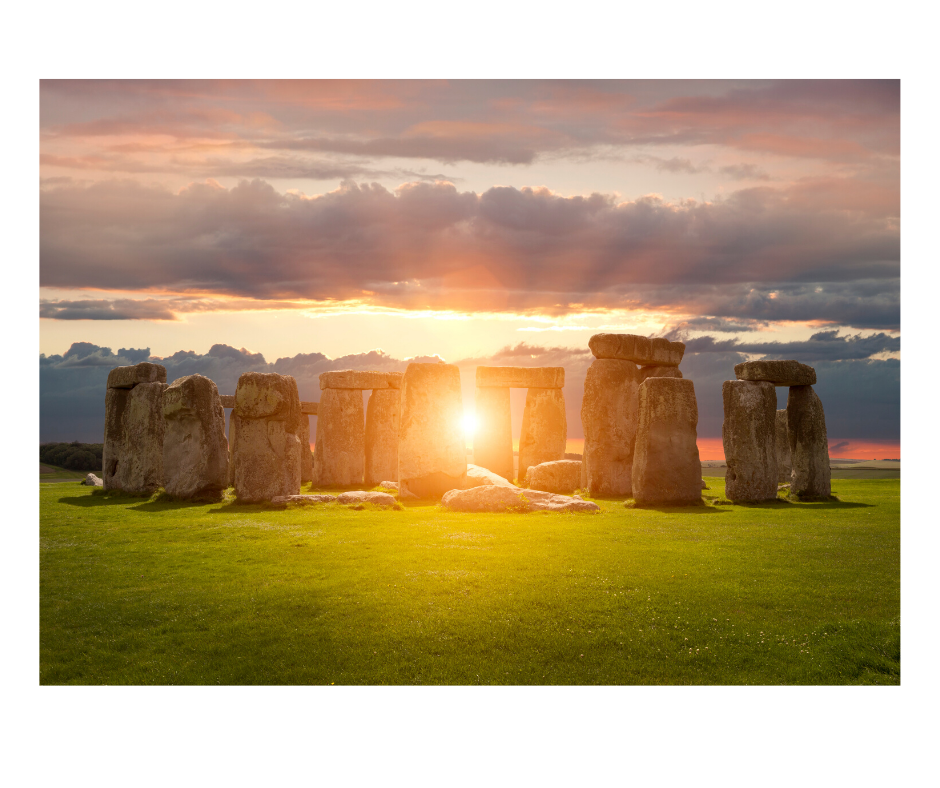
There is a powerful seasonal energy during the equinox period. So much so that ancient monuments such as Stonehenge in England and the Mayan pyramids at Chichen Itza in Mexico have special portals within the structure to mark the transition. This weekend is a great time to turn off the devices for a few minutes or few hours and take some time and space to harness that energy into something special that will enhance your life and create positive growth during this otherwise challenging global period.


Be Well and Get your Nutrients

As I was revising this week’s originally planned post, the global spread of the coronavirus accelerated, and it was declared a pandemic. I found myself relieved to be on a flight returning back home to London amidst flurries of flight cancellations as countries began to close their borders. As I write this, my oldest daughter, along with countless other students in the U.S. and around the world, is packing her apartment to return home from college as classes have been canceled and the remainder of the semester will be completed online.

Nothing feels normal right now and there’s a sense of unease all around. The uncertainty of the situation over the next few weeks is uncomfortable. While there’s an urgency to be well in our bodies, we must remember that full wellness incorporates the body, mind, and spirit. Much of the spread of the virus is out of our individual control, but that doesn’t mean that we must be out of control as well. Remember, that it’s not what happens to us that matters most, but how we react to what happens.

This is a great time to increase restorative practices to combat the anxious energies that are swirling about. Practice taking deep breaths, take a bath, shut off all devices and read a good book (nothing too apocalyptic!), go for a long walk, pray or meditate, do a home spa day, write in a journal or write a letter to a friend, or release energy and have fun with music and dance. The days are getting longer and new life is bursting out everywhere, take a moment to notice the small changes each day. Look for the hidden gifts in the new and unexpected change of pace, they are most certainly there.

Nutrition matters. As long as your able to, continue to eat fresh vegetables as your main source of nutrition. Those who are malnourished are most vulnerable to being infected with any kind of virus. As you may be preparing for the most severe social isolation measures, consider stocking the most nutritious food possible. High consumption of processed foods is linked to reduced immunity, so stick to the most simple options. If you have a dark cool place to store them, root vegetables so last for a while, so it’s good to have plenty of those to have fresh food to add to your meals as long as possible. Buy dry beans to soak and prepare yourself for highest nutritional content. Best options for pantry include: nuts, nut butters, canned tomatoes, artichokes, tuna, salmon, anchovies, olives, coconut milk, olive oil, and of course if you have a freezer, you can include frozen vegetables and plenty of high quality fish, poultry and meat readily available. Be careful of sugar. If you want to have something sweet on hand, dried fruits and dark chocolate are good options to be consumed in moderation. Sugar (including alcohol) feeds most viruses, so if you consume a lot of sugar, you are creating an inviting environment that will be most susceptible to contracting the virus.

For a final practical note, vitamin C, zinc, and vitamin D3 have been shown to be most effective to bolster the immune system for increased response in combating viral threats.

May you and your families be well. Take a deep breath, get plenty of rest, and keep your bodies, minds, and spirits nourished.

I wrote a lot of letters in college and that was a good thing

A few years ago my best friend gifted me all the letters that I had written to her since we had started exchanging letters our freshman year in college. I had also saved all of the letters that she had written to me. I stored them in a box in the garage. We had both stayed in California for school. I went to UC Davis near Sacramento and she went to Cal Poly San Luis Obispo on the central coast. Separated by 300 miles or five hour drive felt like a world apart. On top of that, we rarely made phone calls because it was too expensive on a student budget. And of course, there was no email, no Internet, none of the instant messaging and kaleidoscope of communication options that we have today. We didn’t even have computers. (gasp!!)

The semester that we graduated in 1994, we were told that in the course of our lives things would change a lot and that life would be completely different in ways we couldn’t even imagine. Oh, what truth that was.

That box of letters sat in my house for a while before I was ready to open it and relive those youthful days that swung like a pendulum from wild and carefree some weeks to tumultuous and anxiety provoking in others. When I finally did dive in, I was flooded with emotions and memories, some good, some having best forgotten. The walk down memory lane didn’t end with the one box. I excavated to uncover all of the letters that had been written to me to see what else there was to discover. What struck the most me looking back more than a quarter century was just how different life was then and how writing letters easily and organically fit into daily life.

The first thing I noticed was that I wrote letters because I was broke. Even though we lived in the same state, those calls added up fast. And don’t think that 19 year girls would possibly able talk to their BFF for “a quick chat”, it had to be a full session, all or nothing. We had to share every detail of every experience, especially regarding the guys we were interested in and going out with. Many letters included some version of: “I totally want to talk to you but I can’t afford it this week, so I’m writing a letter instead.” I would then go into a full stream of telling my latest stories as if I were going to burst if I didn’t share them with someone. Not just someone, but someone who understood why those stories were important to me. I spared nothing because I wanted to be sure she totally understood my experience and I hoped we would be able to talk about it eventually.

Another pattern that was apparent was that I wrote because I felt depressed. It’s hard to imagine now, but back in the early 1990s we all had plenty of spare time and sometimes being away from home felt lonely. The letter would start with “I’m so depressed, I’m listening to Morrissey right now. Every time it finishes, I rewind the tape and listen again.” Or “I’ve been depressed all week, my life is a mess.” Then I would write out all of my doubts and fears and insecurities. At the end of these missives, I would usually apologize for such a depressing letter, but I felt so much better because it was all released. Even in a letter that wouldn’t be received for a few days, I felt heard and connected. It was a private letter and it was safe to write down intimate thoughts without an ounce of worry that anyone other than my friend would see them.

Such expression of depression is interesting because I’m not typically a depressed type person, but in these letters, it was ok to say I was depressed in that moment. I acknowledged feeling really down in the dumps. Being able to write about it in the confidence of someone close to me helped a lot with clarity and moving through the challenges along the way. The same effect can happen with journaling in terms of self-expression; however the connection to the other person is very powerful and was evident when I had the privilege of reading those letters that I had written so many years ago. It’s hard to imagine now how to even articulate feeling depressed because it’s so associated with severe depression, but then it was normal vernacular.

I wrote letters because I was bored. Some days, I didn’t want to to study, my roommate was at work or whatever and I just wanted something to do; so I would write a letter. The boredom letters were more factual talking about the weather or my class schedule the following week. I would tell where I was in that specific moment and why I’m alone writing a letter, pretty mundane stuff really. At the end of those particular letters, I always had a plan for what I was going to go next such as, “Well, I’m off to the record store now, I hope they have the new album. Talk to you later.” Sitting down and writing a brief letter resolved my boredom and I carried on with my day.

Probably the most surprising discovery in terms of comparison to what life is like now was that some letters mentioned plans for an upcoming visit. I can remember that we really did do that. “I’m gonna leave after lunch on Friday and should get there by 6.” We planned visits to each other BY POST! And that wasn’t actually that long ago really – I’m not that old. It was possible that we might not even talk by phone before that trip, but I knew she would expect me; I had written and told her after all. Of course, we would have planned trips over a sequence of letters, but I never worried that she may not have gotten the message or anything else. If she wasn’t going to be there, she would simply leave a note at the door and I would  wait for her or meet her at a designated place. This didn’t happen often between the two of us, but it did happen. I can’t even imagine doing something like that now? Sending a letter in the mail to a friend or relative telling the date and time of arrival for a visit later in the month. Yep, it’s all there in the letters.

Finally, and something I had completely forgotten; in the years right after college, we wrote letters from everywhere and to anywhere in the world. When we did our Eurorail trip for 10 weeks, we received letters from loved ones in various locations. Even when backpacking in rural Mexico and Guatemala or other far-off places, we sent and received mail! An actual letter in hand that someone took the time to write to us and write our names on the envelope arrived in all kinds of exotic places. We sent letters to any city addressed with the name and labeled Poste Restante to stay in touch with each other. Then, when arriving at a new place, we would go straight to the post office to see if there was mail waiting. The trips would be pre-planned enough that we always knew where to send the next letter. It was such fun to receive those letters and then write a response and update on our travels. Those letters were fuel for the soul.

Oh how times have changed. What do we do nowadays when we’re bored or broke or feeling depressed? Social media and a million other digital distractions so readily fill in the gaps. Modern technology is actually incredible and we’re able talk and video-chat across continents and often for free. My friend and I do still write letters, snail mail between California and London, although it’s much less often; and it takes much longer than it used to despite everything else being much faster. Unfortunately, it doesn’t happen as a matter of our usual routines either. Sitting down to write a letter is something we have to “fit” into our busy lives. And while we are in the age of communication and information, our experiences will be remembered very differently when looking back in another twenty-five years. Instead of a special box in the garage or the corner of the closet, it is all memorialized in the cloud (which as far as I know partially exists somewhere in Tennessee). I treasure those letters and the extraordinary friendship of safety and trust, shared joys and shared heartbreaks, that developed as we wrote them and they traveled across the miles.


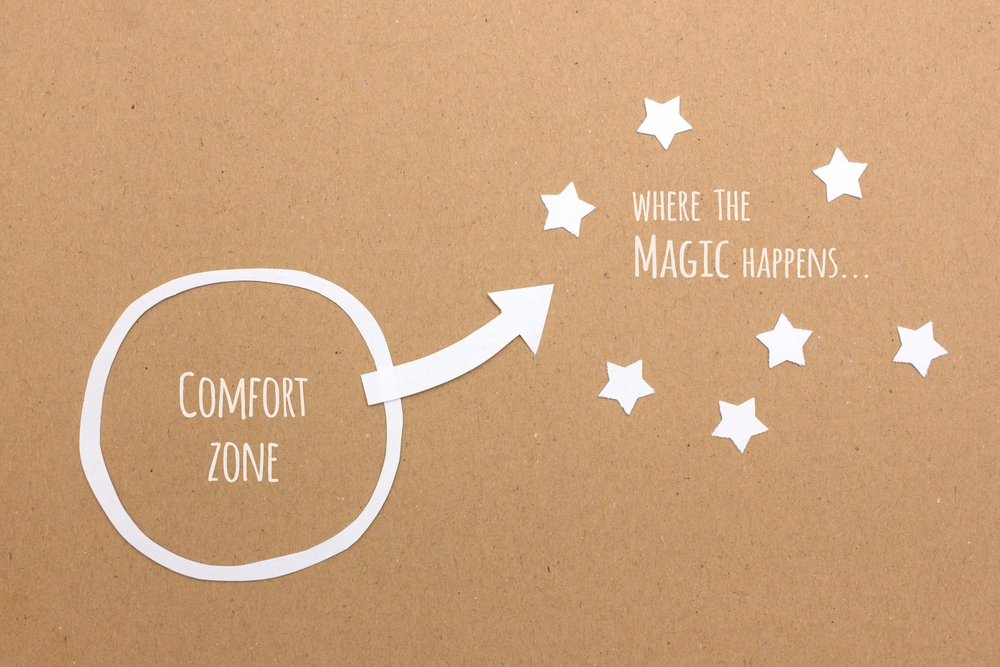
Get comfortable being uncomfortable

(4th in series of working towards achieving New Year’s resolutions. This series will be posted the last week of each month as we work our way through 2020 all together.)

“Comfort kills ambition. Get uncomfortable and get used to it in your pursuit of your goals and dreams.” -Robert Kiyosaki

Here we are at the end of February and we get a bonus day this year too! For those like me who are keeping track, February 29 will mark 16% of year complete, one-sixth of the 2020 pie. The last week of the month is a great time to pause and reflect on progress made so far this year working towards our big goals, those New Year’s Resolutions.

Are you continuing on the march forward your goals? Have you had a setback? What has been successful? What has been a challenge? Do you want to continue with the same goal or do you want to consider a revised goal? Has it been easy? Hard? Have you already achieved the goal and need a new goal? Allow yourself a few minutes to consider these questions, and revise and upgrade the plan.

And one more question. Have you felt uncomfortable yet? How do you handle discomfort? It’s an important part of the process. Remember that quote from last month: “If you only walk on sunny days, you will never reach your destination.” -Paolo Coelho?

Being uncomfortable is well, uncomfortable, but it’s actually good. It’s a sign that you are in the process of achieving something and learning something new. Yet we are surrounded my messages in marketing and in the media that we deserve things to be easy and comfortable. That’s not true. Climbing a mountain isn’t always easy, but we do it because we want the view from the top, the satisfaction of having achieved it. It starts off easy enough on the gently sloped path we are motivated and excited. Then suddenly the path is steep and getting steeper. The steps we take are smaller and require more effort, but moving is winning and we carry one on step at a time. Eventually, the the gradient levels off again and we are rewarded with breathtaking views making the effort well worth it.

Things feel uncomfortable when they are new. They feel clumsy and awkward and strange. That is only temporary; it’s guaranteed to get better once it becomes familiar. New neuropathways have to be established.  I remember my first guitar lesson; my fingers didn’t want to do what they were supposed to do to play the chords. But I kept working the positions and eventually I got the hang of it; and every week it became easier and easier. When I got callouses on my fingertips, they were uncomfortable; but I was pleased because they were a sign of progress.

In psychology there are the Four Stages of Competence. A simple online search will provide plenty of graphical illustrations of this concept. The four stages are:

  1. Unconscious incompetence
  2. Conscious incompetence
  3. Conscious competence
  4. Unconscious competence

Learning to drive is a perfect example. In the beginning you don’t know how much you don’t know. Once you start learning, you realize that there are a lot of things to learn to reach competence. It’s kind of exciting and scary at the same time. Then you achieve competence when you still need to be paying attention to driving, but it’s easier and more comfortable. Eventually, you are able to drive without even thinking about it, it just happens unconsciously. For many goals, we have to go through the vulnerable stages before something comes naturally.

The thing about being uncomfortable is that it requires a lot of focus just to be there. You have to consciously choose it. It’s so much easier to sit on a comfy sofa and watch another episode (or another whole season) on Netflix than go for a walk/workout, try a new recipe, go out to an exhibit, attend a class, or write the next chapter of your book. Being uncomfortable puts us in the present moment. It keeps our bodies and minds active. Unexpected things will happen in the present moment and each one is an opportunity to learn and move forward towards success. The greatest achievements and best stories come from pushing through the discomforts. The best stories we have to tell are about being uncomfortable and conquering challenges and discomforts; and in the end, those who conquer the biggest challenges are our heroes.

So get out there and get your feet wet outside of your comfort zone. It takes practice to be comfortable bring uncomfortable, but like everything else, it gets easier the more you do it.

“Do one thing everyday that scares you. Those small things that make us uncomfortable help us build courage to do the work we do.” – Eleanor Roosevelt